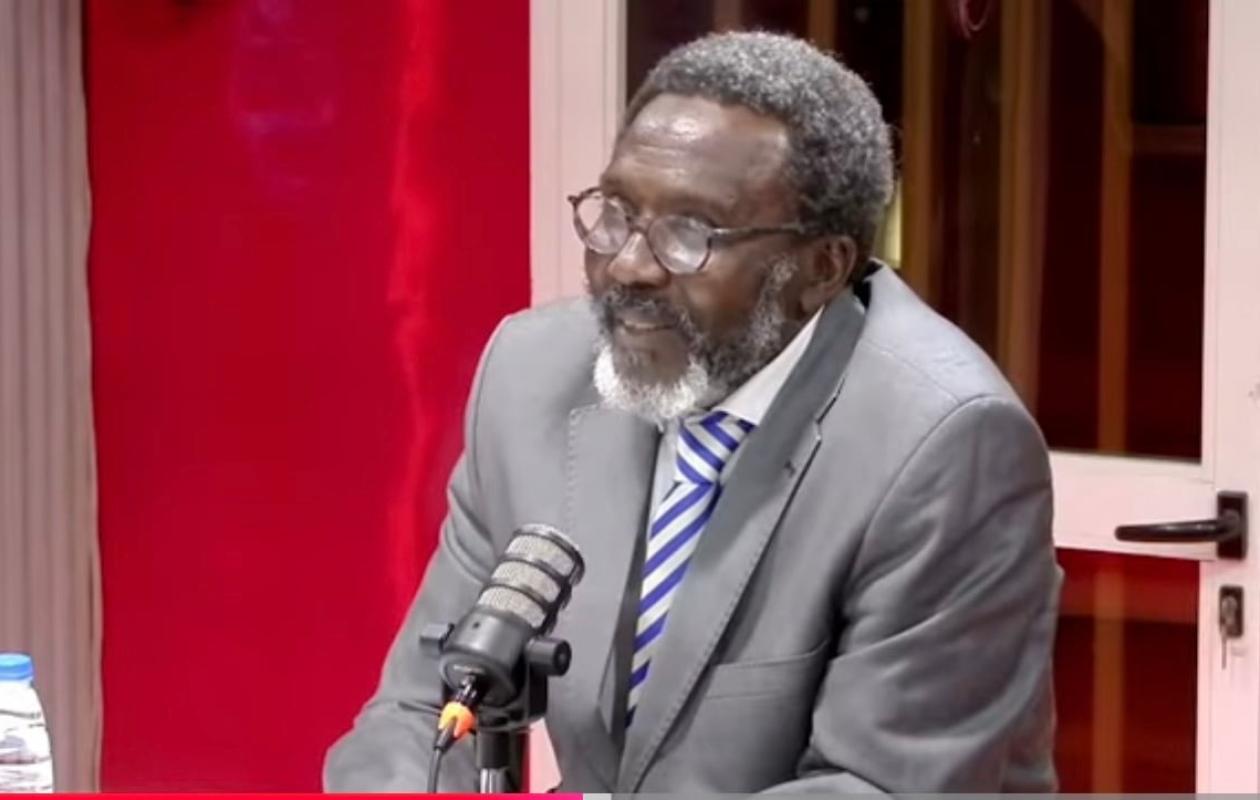
Protections des lanceurs d’alerte : Le magistrat à la retraite Malick Sow pointe des incohérences juridiques
In the context of a debt crisis, the fight against corruption and bribery has become a key governance issue in Senegal. However, although strengthened, notably with the whistleblower law, the legal framework contains some shortcomings, at least according to retired magistrate Malick Sow.
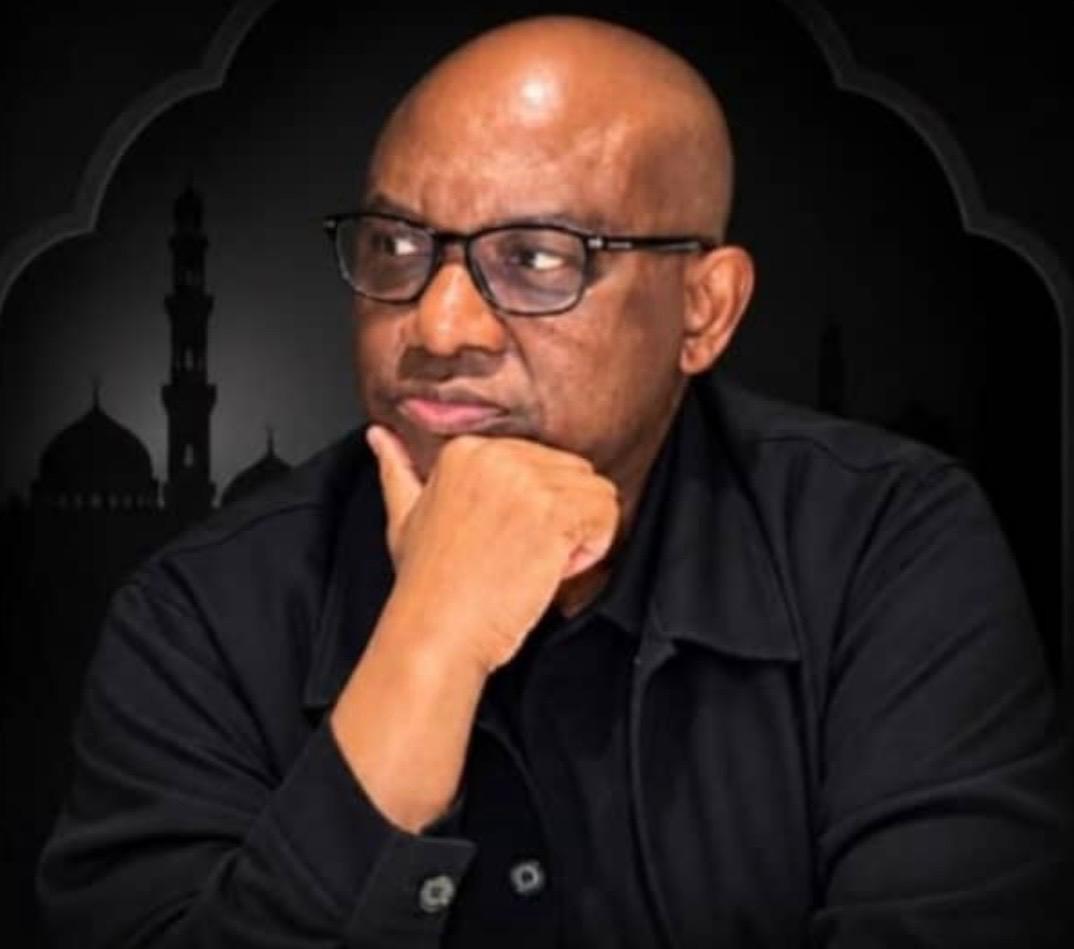
Invited to the Sunday program "Objection" on Sud FM, the magistrate commented on the effectiveness of the legal mechanisms governing whistleblower protection. While acknowledging the importance of the legislation, the former judge expressed significant reservations regarding its practical applicability. He emphasized that the proliferation of exceptions and exclusions (national security, confidentiality of deliberations, among others) narrows the scope of action.
“The problem with this whistleblower law is that I don’t believe it will solve the problem,” he emphasizes from the outset. He explains: “In its essence, the text seems somewhat contradictory to me. First, there are many exclusions: national security secrets, confidentiality of deliberations, etc.” For the former magistrate, this accumulation of exceptions drastically reduces the scope of action granted to whistleblowers, making the remaining scope of the law “very limited.”
How to ensure the safety of "insiders"?
Returning to the very profile of whistleblowers, Judge Malick Sow recalls that they are, for the most part, "insiders", that is to say, actors operating at the heart of the structures, having witnessed or participated in criminal acts and deciding to denounce them.
Given the risks these individuals face, the priority, according to him, lies in guaranteeing strict anonymity and robust protection mechanisms. To support his argument, the former judge at the International Criminal Court (ICC) cites as an example the procedure applied during the trial of former Liberian President Charles Taylor before the Special Court for Sierra Leone in The Hague. Technical measures were implemented to protect the identity of vulnerable or sensitive witnesses: voice alteration, blurring, and facial distortion.
Malick Sow emphasized that these mechanisms ensure that identifying information remains strictly reserved for the judge, while remaining inaccessible to the general public. According to him, the key to successful legislation lies precisely in the ability to protect the identity of these key witnesses from reprisals.









Commentaires (4)
Participer à la Discussion
Règles de la communauté
💡 Astuce : Utilisez des emojis depuis votre téléphone ou le module emoji ci-dessous. Cliquez sur GIF pour ajouter un GIF animé. Collez un lien X/Twitter, TikTok ou Instagram pour l'afficher automatiquement.
Se connecter
Commentez avec votre profil, votre photo, et soyez averti des réponses.