Sénégal: Otra Africa met en garde contre la stigmatisation des communautés
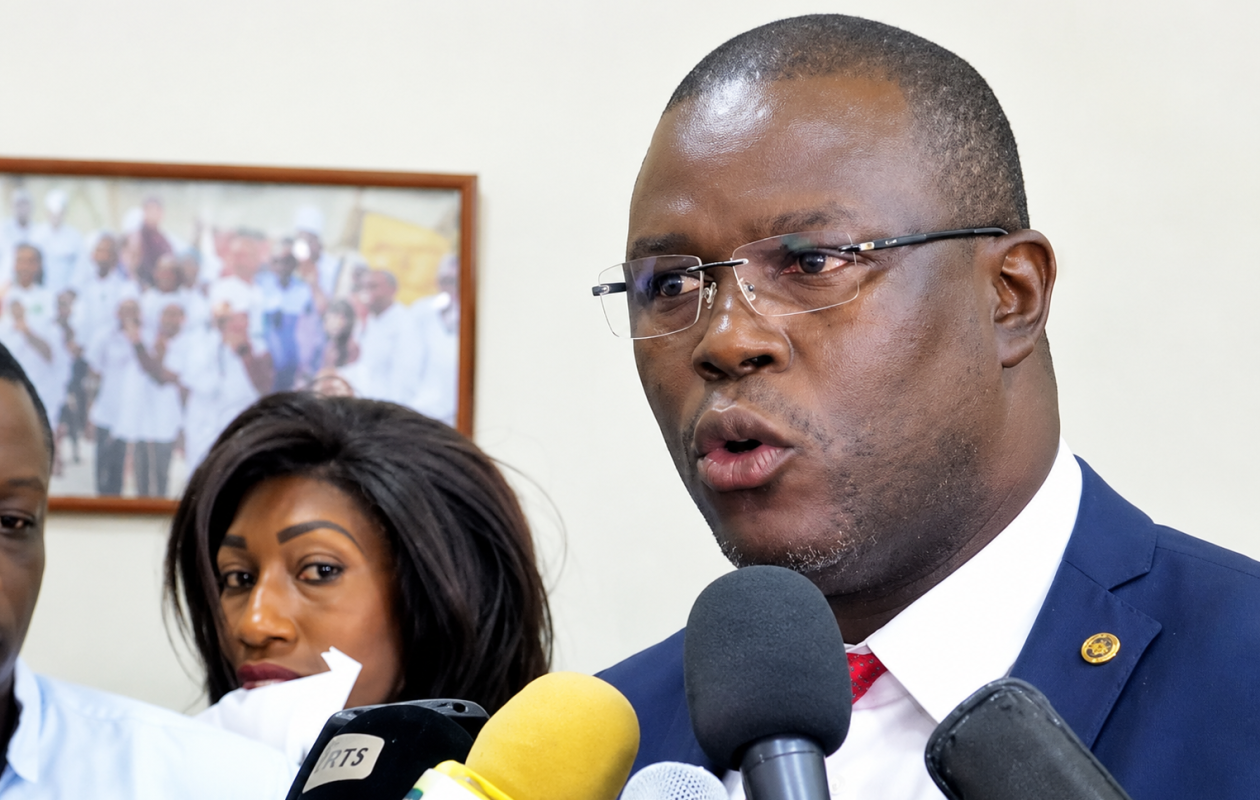
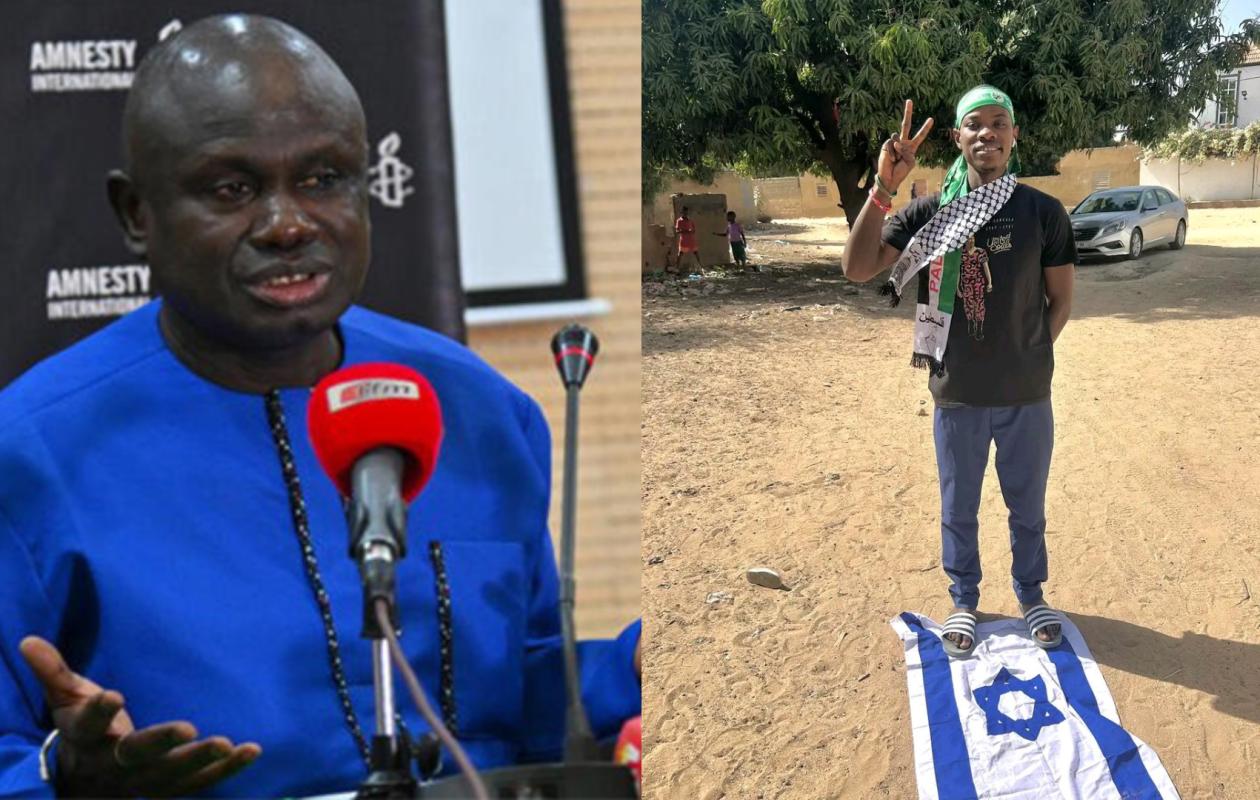
In response to rising tensions and a proliferation of sensitive debates on social media, the international organization Otra Africa is calling for responsibility, restraint, and respect for human rights. During a press conference focused on the situation of foreigners living in Senegal, the organization expressed its concerns regarding stigmatizing rhetoric targeting certain communities, particularly the Fulani people originating from Guinea.
At the heart of this news is the case involving Mariama Ba, known as Noura, and individuals claiming to represent a nationalist movement. This altercation, which has sparked numerous reactions, raises questions about respect for fundamental freedoms, the presumption of innocence, and peaceful coexistence between communities.
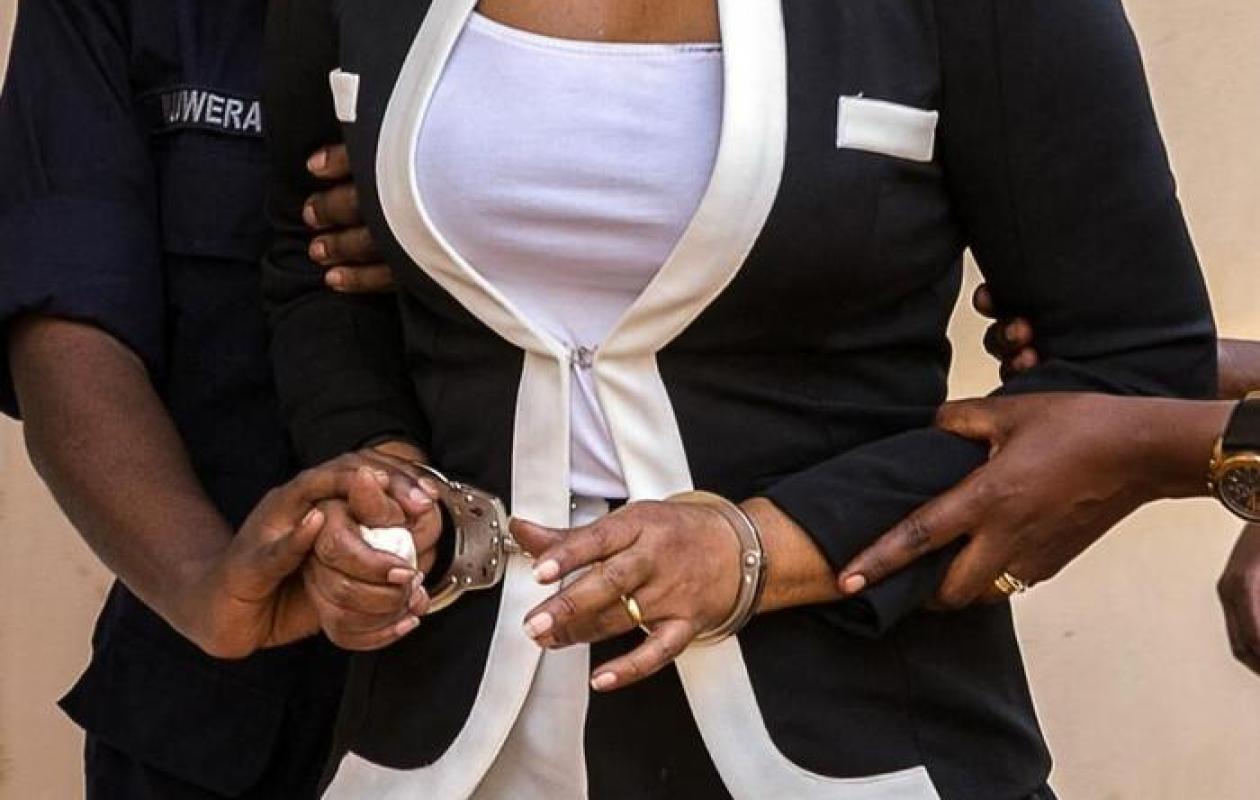
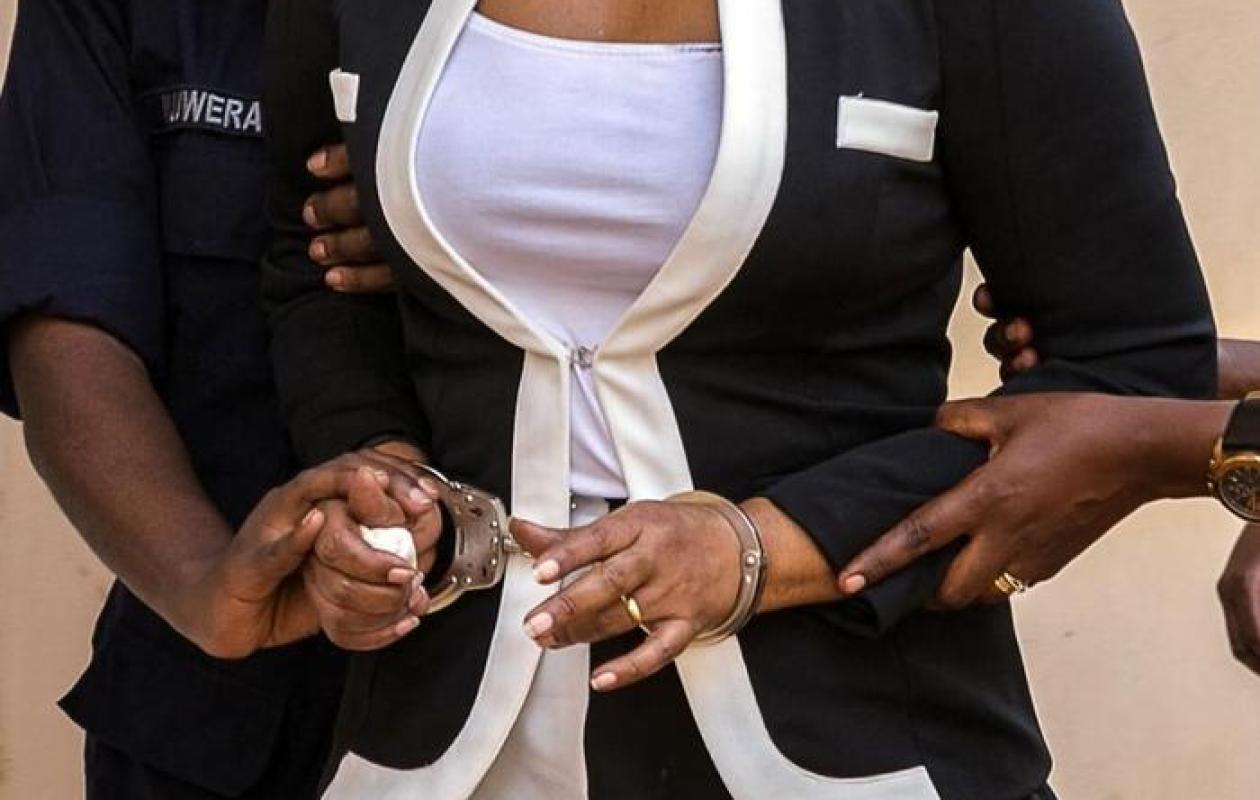
According to information released by Otra Africa, Mariama Ba, who claims to be a Senegalese national, has been in police custody since Friday evening, on the instructions of the public prosecutor's office. The organization states that it is awaiting a decision from the judicial authorities regarding her case.
Otra Africa disputes the accusations levelled against the individual in question, particularly those concerning alleged insulting remarks targeting the presidential institution and a religious authority. The organization asserts that, in its view, no audio or video evidence substantiates these accusations and denounces what it considers a campaign of disinformation and manipulation.
While urging caution, she requests that the audiovisual content and statements attributed to Mariama Ba be rigorously examined to avoid unfounded accusations and hasty judgments. These claims must, however, be assessed in light of the available evidence and the conclusions of the relevant authorities.
Beyond this specific case, Otra Africa is concerned about the circulation of narratives portraying the presence of the Fulani community from Fouta in Senegal as a national problem. The organization believes such perceptions risk fueling tensions, reinforcing prejudices, and weakening relations between the populations.
In particular, she warns against any attempt to transform this situation into a rivalry between Senegal and Guinea, or into an opposition between the Fulani of Fouta and other Senegalese communities.
On the issue of civil status, the organization believes that the establishment and recognition of administrative documents must be handled seriously, fairly, and in accordance with the laws of the Republic. It reiterates that any individual or administrative irregularities cannot justify the collective stigmatization of a community.
"The issue of civil status cannot be used as a pretext for discrimination or conflation," the organization emphasizes, calling for a distinction between individual responsibilities and community identity.
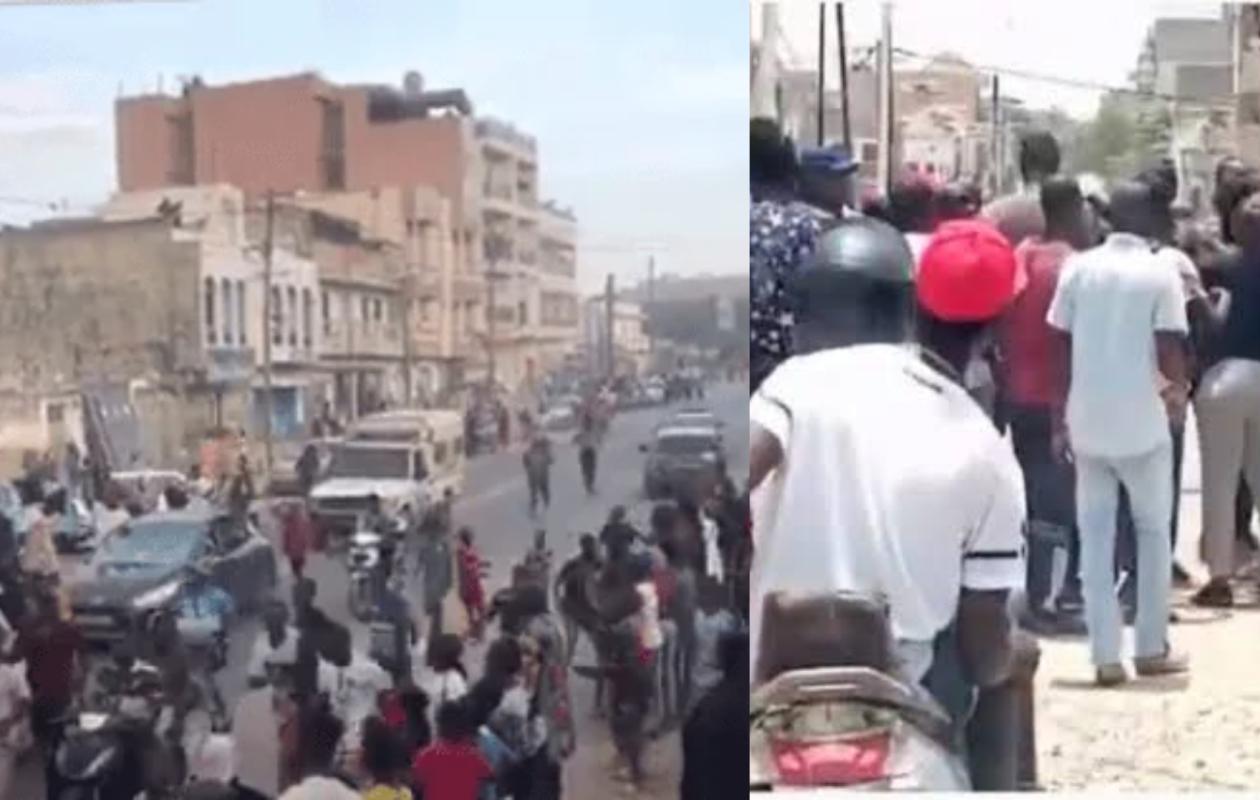
Otra Africa also expresses its deep concern over the physical assaults, verbal attacks and violations of image rights that it says it has observed or reported against people and businesses belonging to members of the Fulani community of Fouta originating from Guinea.
The organization considers these acts, when proven, to constitute attacks on the safety of individuals, human dignity, and the respect for property. It demands that the reported incidents be subjected to rigorous investigations and appropriate responses from the police and judicial authorities.
In this context, she calls upon the State of Senegal to fulfill its responsibility in protecting people and their property. She specifically calls for follow-up on complaints filed by various associations regarding similar incidents and for the prosecution of all forms of violence, discrimination, or vigilante justice, in accordance with legal procedures.
For Otra Africa, the protection of citizens as well as that of foreigners residing on the national territory is a fundamental requirement of the rule of law.
The organization also calls on the media, journalists, influencers and all social media users to demonstrate professionalism and discernment in their handling of this matter.













Commentaires (10)
De l'empire du Djolof (Jolof) , du Tekrour, du Fouta-Toro, du Waalo et le Cayor (Kadior), du Baol, du Sine et le Saloum et enfin, le Galam et le Boundou en Casamance, le Sénégal précolonial, territoire auquel la puissance coloniale fut contrainte d’accorder un statut spécial de département français à part entière en raison de sa résistance, s’est unifié pour former un État-nation. Cette entité comprend à la fois une structure juridique souveraine (l’État) et une communauté humaine unie par un sentiment partagé d’appartenance culturelle et historique (la nation) au sein d’un territoire défini ; elle possède des caractéristiques spécifiques et immuables que nul ne peut tenter d’influencer et encore moins de dénigrer ou de bafouer, sans en subir les conséquences. Cette entité (le Sénégal) a forgé une identité qui confère un caractère unique et distinctif à ses populations autochtones ; il s’agit d’une « supra-identité » que certains étrangers naturalisés peinent à saisir ou à comprendre suffisamment pour trouver pleinement leur place et atteindre un niveau d’intégration, aussi limité soit-il, permettant leur acceptation.
Au Sénégal, quel que soit le mode d’acquisition de la citoyenneté, sauf dans les cas de naturalisation fondée sur le *jus sanguinis* (droit du sang), qui vous intègre et vous fond dans les strates autochtones, vous devez accepter le statut de citoyen de « seconde zone ». Vous êtes tenu de respecter les normes sociales et coutumières du pays, tout comme votre descendance, à moins qu’elle ne contracte des mariages mixtes et s’intègre aux lignées des groupes ethniques autochtones. Malheureusement, de nombreux ressortissants étrangers détenteurs de documents d’identité sénégalais perdent de vue cette réalité.
Pour les Sénégalais de souche, cela représente un héritage ancestral, un mécanisme qui leur a permis, depuis des générations, de se prémunir contre l'afflux d'étrangers et les influences qu'ils apportent avec eux venus du sous-continent et d'ailleurs.
Vous êtes parmi ceux qui accusent le plus le Sénégal, alors que vous vivez à l’intérieur de notre pays. Comment peut-on bénéficier de l’hospitalité d’un pays et, en même temps, mépriser ce pays et ses citoyens ?
Si des fraudes ont été commises, la vérité doit éclater et les responsables doivent répondre de leurs actes. Le Sénégal appartient à ses citoyens et ses lois doivent être respectées par tous.
Nous n’accepterons ni la fraude ni le mépris de notre pays. Le respect du Sénégal n’est pas négociable.
Participer à la Discussion
Règles de la communauté
💡 Astuce : Utilisez des emojis depuis votre téléphone ou le module emoji ci-dessous. Cliquez sur GIF pour ajouter un GIF animé. Collez un lien X/Twitter, TikTok ou Instagram pour l'afficher automatiquement.
Se connecter
Commentez avec votre profil, votre photo, et soyez averti des réponses.