
Mamadou Manizor Thiam sur la hausse du prix du carburant : « La vérité nous rattrape »
Appearing on the "Seneweb Eco" program this Sunday, August 30th, Mamadou Manizor Thiam discussed the fuel price increase that took effect on August 15th. He explained that this decision was a response to a budgetary constraint that had become increasingly difficult for the government to sustain. "The truth is catching up with us," he stated, adding that the increase was "technically feasible."
According to the financier, the real question wasn't so much whether prices should be increased, but rather whether maintaining the old rates could be sustained by the state. "The question we need to ask ourselves is: was the decrease sustainable?" he declared.
Mr. Thiam points out that the initial budget forecasts were based on a price of around $65 to $68 per barrel. However, he explains, the price has settled around $85, with projections potentially reaching $100 or even $110. This development puts additional pressure on public finances.
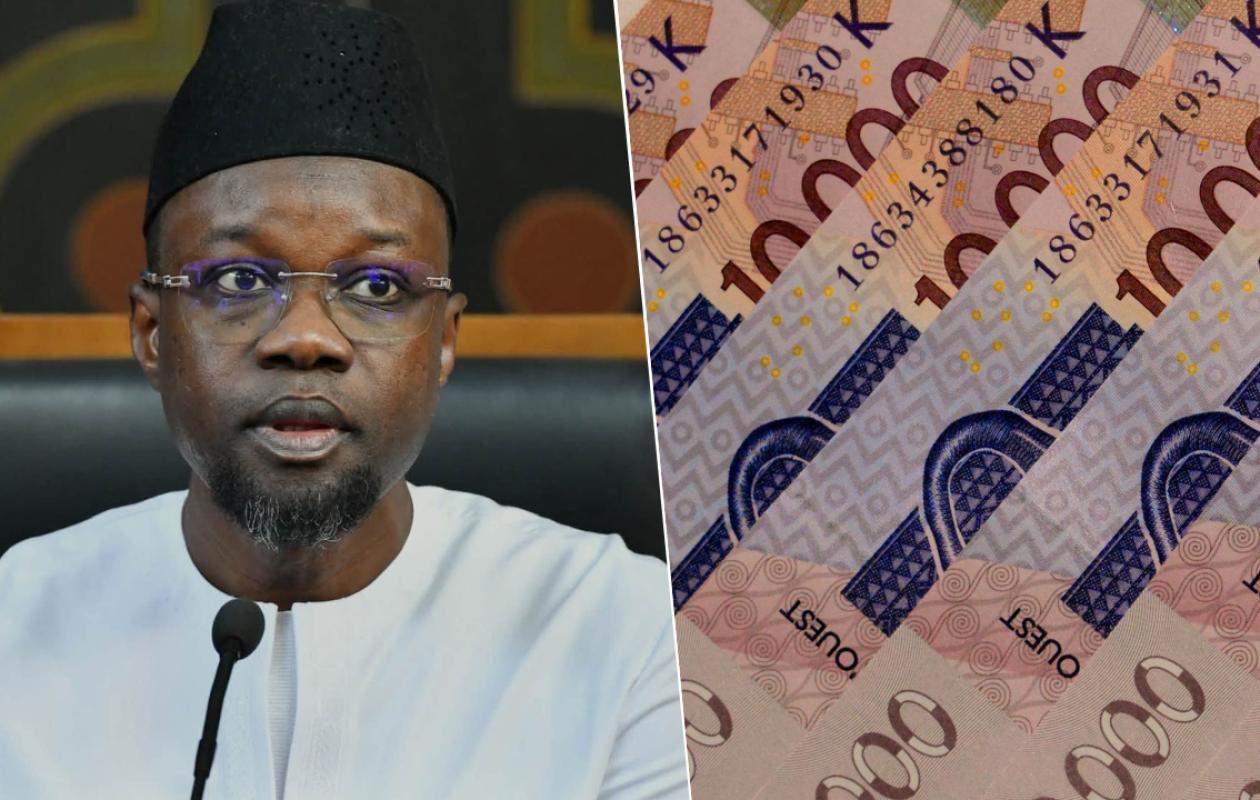
Furthermore, the cost of subsidies on petroleum products is also being discussed. According to Mamadou Manizor Thiam, the government had budgeted approximately 250 billion CFA francs. However, with the rise in international prices, the bill could reach 774 billion CFA francs, a difference of more than 500 billion compared to the initial projections. "We're seeing subsidies amounting to 774 billion. So we have a gap of more than 500 billion in subsidies that weren't necessarily budgeted for and that are now catching up with the Senegalese government," he explained.
Thus, according to him, the State had to arbitrate between preserving the purchasing power of households and the need to contain the deterioration of public finances.
However, the financier insists that the increase on August 15, 2026, does not constitute a full implementation of "true pricing." "The State has nevertheless made efforts not to go for true pricing, but to return to the initial situation and continue to support the Senegalese people," he explained.
A signal for markets and rating agencies
Beyond the immediate impact on households, Mamadou Manizor Thiam believes that the price adjustment can be interpreted positively by international financial markets. "For them, it's a good signal. Where it might not be a good signal is perhaps for the general population," he analyzed.
According to him, the challenge for Senegal now is to reconcile restoring its budgetary balance with protecting purchasing power. The rise in fuel prices is therefore one of the factors likely to improve the country's image in the eyes of rating agencies.
"There is this increase which can have an impact, there is also the resumption of relations with institutions, there is also this confidence from historical donors," he stressed.
He believes that the combination of these different factors could lead to an improvement in Senegal's rating. "I think that when we combine all these major events that we have experienced over the last three to four months, it does contribute to a favorable rating," he said.
For the financier, an improved rating would allow Senegal to regain more room to maneuver on international markets, particularly to access international bond issues again.
However, on Friday, August 28, 2026, the rating agency Moody's once again downgraded Senegal's rating from CAA1 to CAA2, while maintaining a negative outlook. Justifying this downgrade to CAA2, the agency stated that the risk of Senegal experiencing difficulties in repaying or refinancing its debt had increased.



















Commentaires (2)
Participer à la Discussion
Règles de la communauté
💡 Astuce : Utilisez des emojis depuis votre téléphone ou le module emoji ci-dessous. Cliquez sur GIF pour ajouter un GIF animé. Collez un lien X/Twitter, TikTok ou Instagram pour l'afficher automatiquement.
Se connecter
Commentez avec votre profil, votre photo, et soyez averti des réponses.