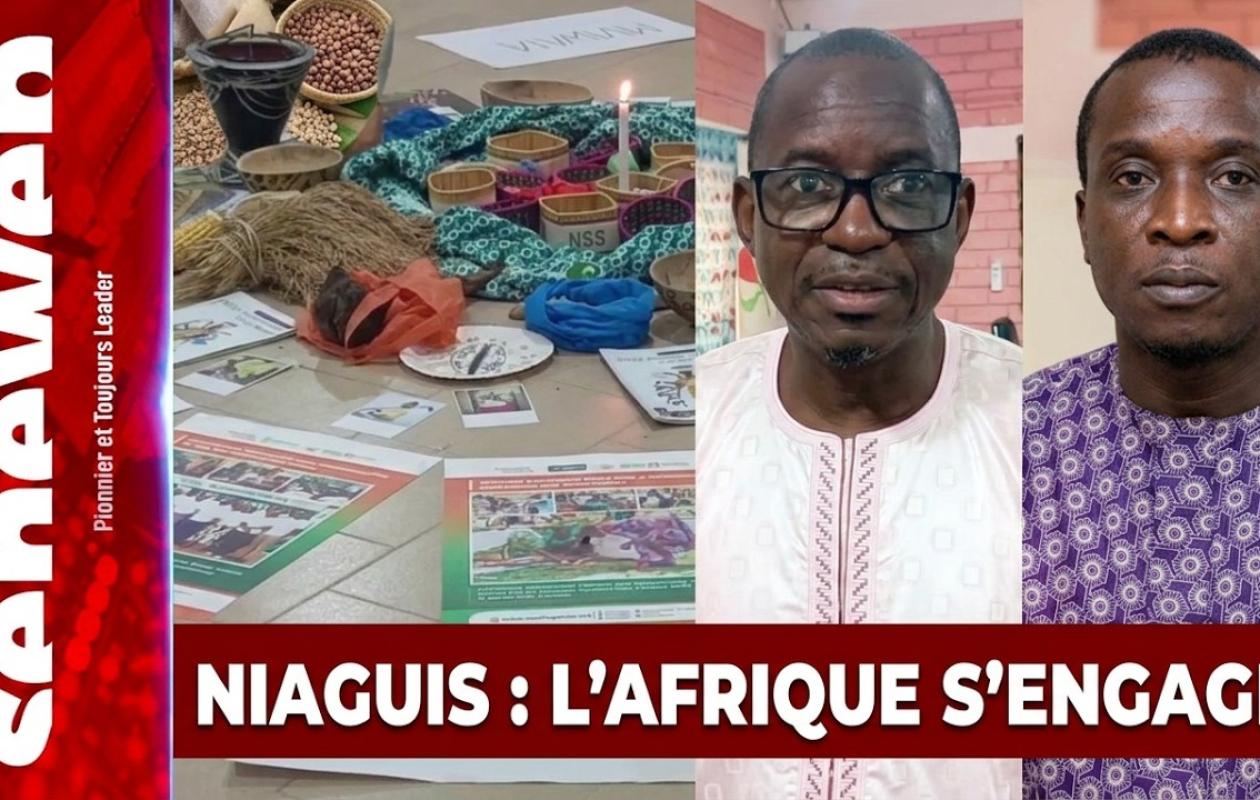
Ziguinchor : Niaguis sonne l’union sacrée de l’agroécologie africaine
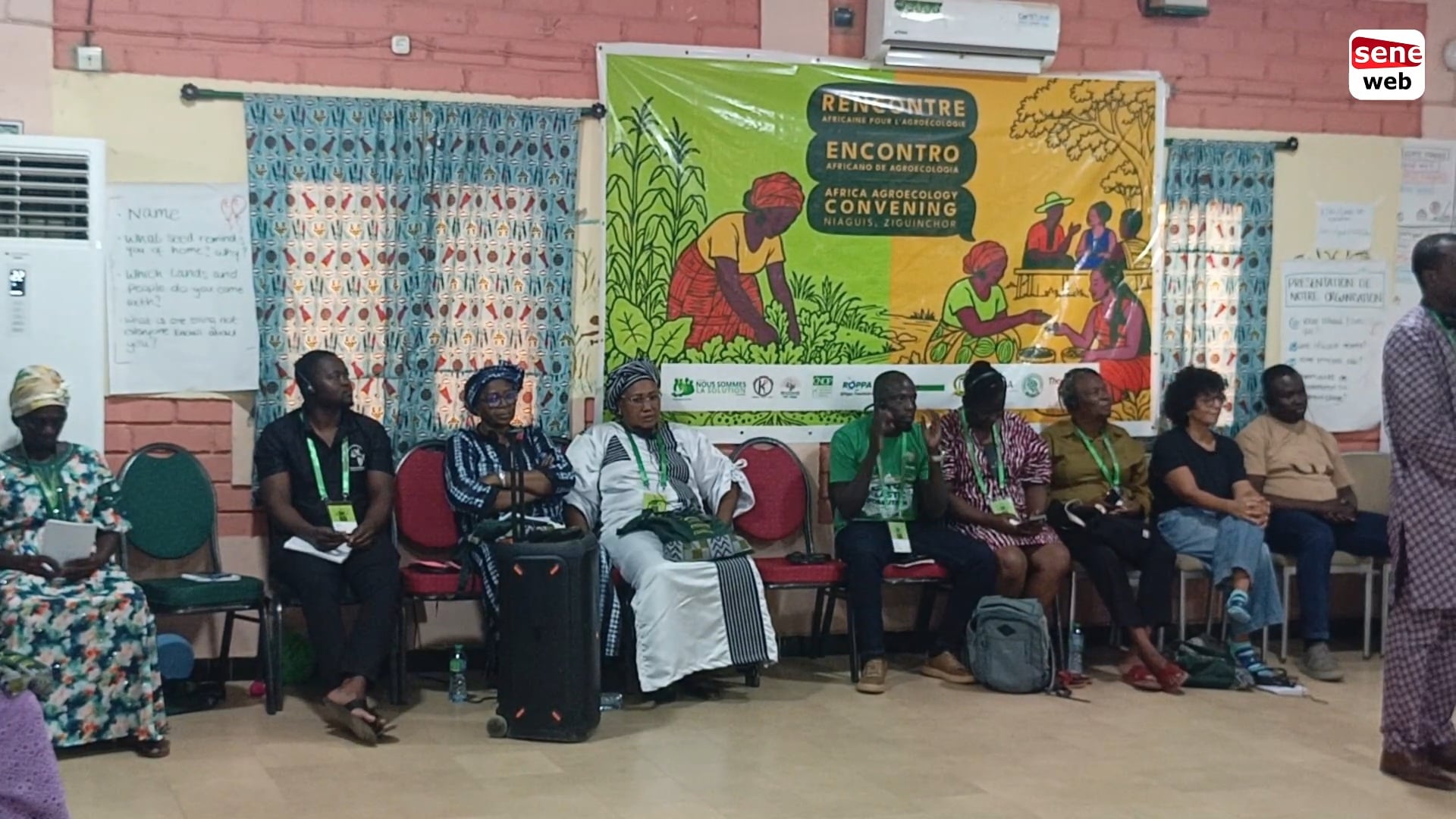
For five days, the commune of Niaguis hosted a unique international meeting dedicated to agroecology. Organized by the pan-African movement "We Are the Solution" (NSS) with the support of Thousand Currents, the conference brought together stakeholders from West, East, and Southern Africa around a common goal: to build a continental space for dialogue, learning, and action to accelerate the agroecological transition in Africa.
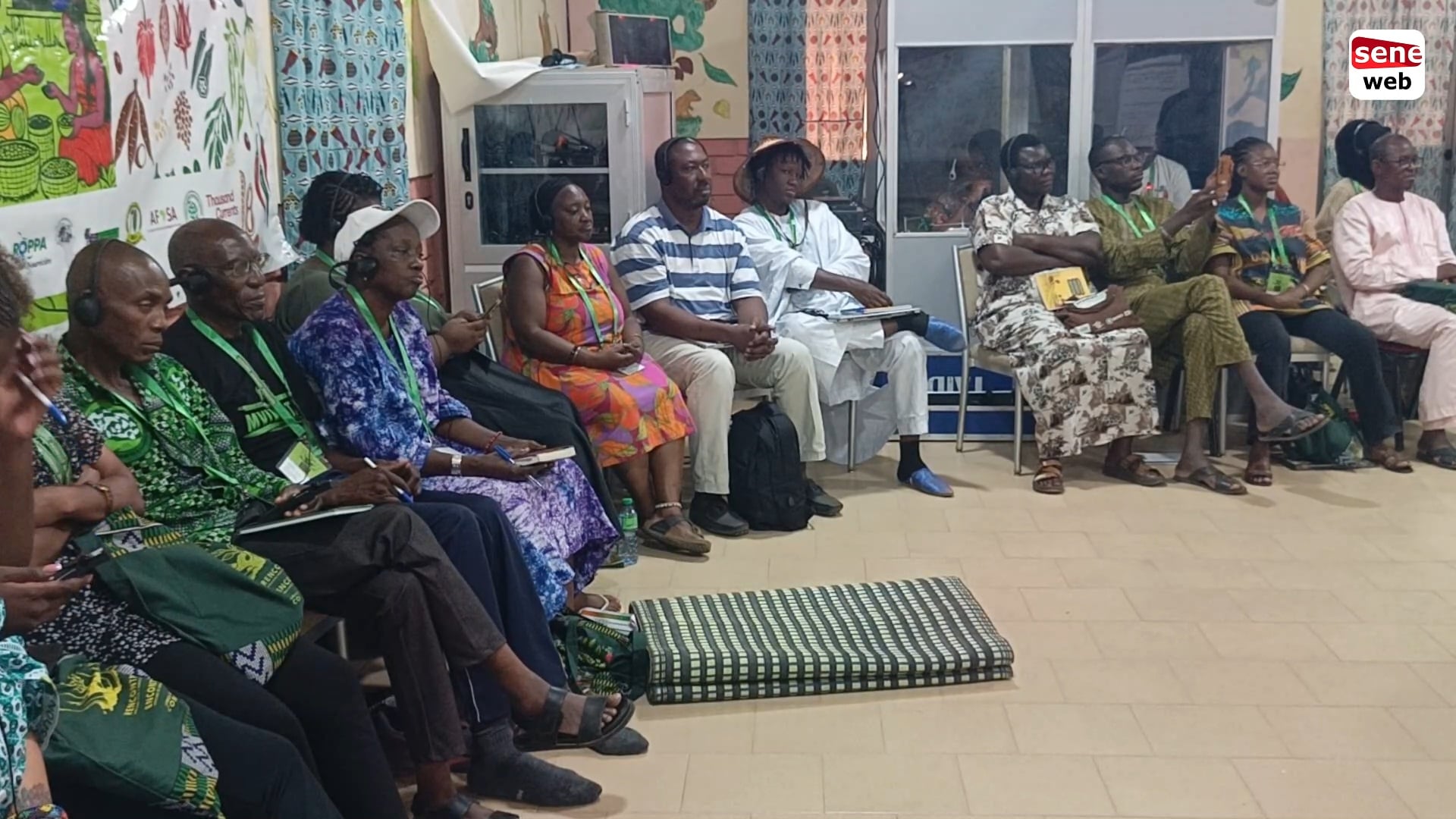
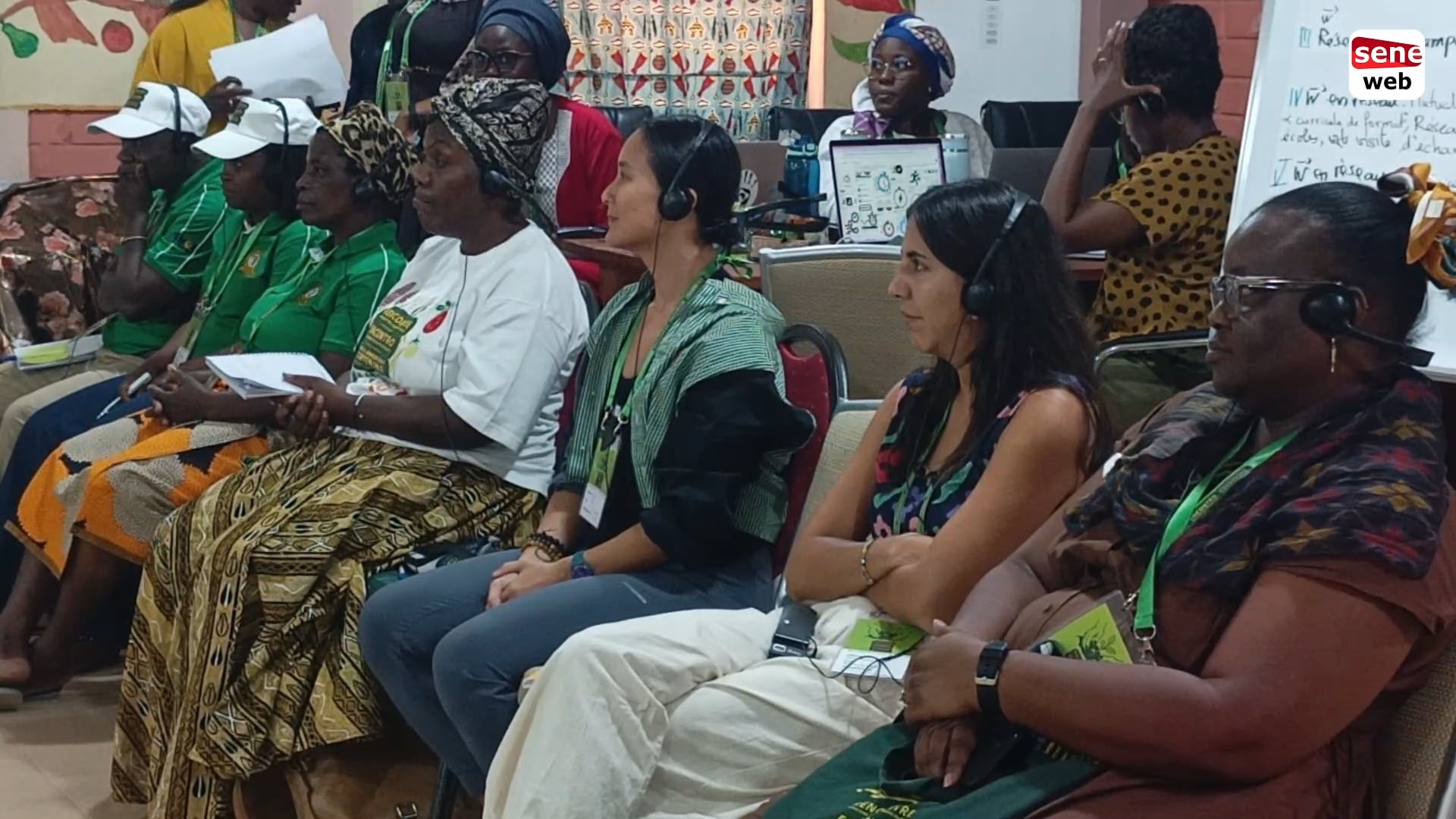
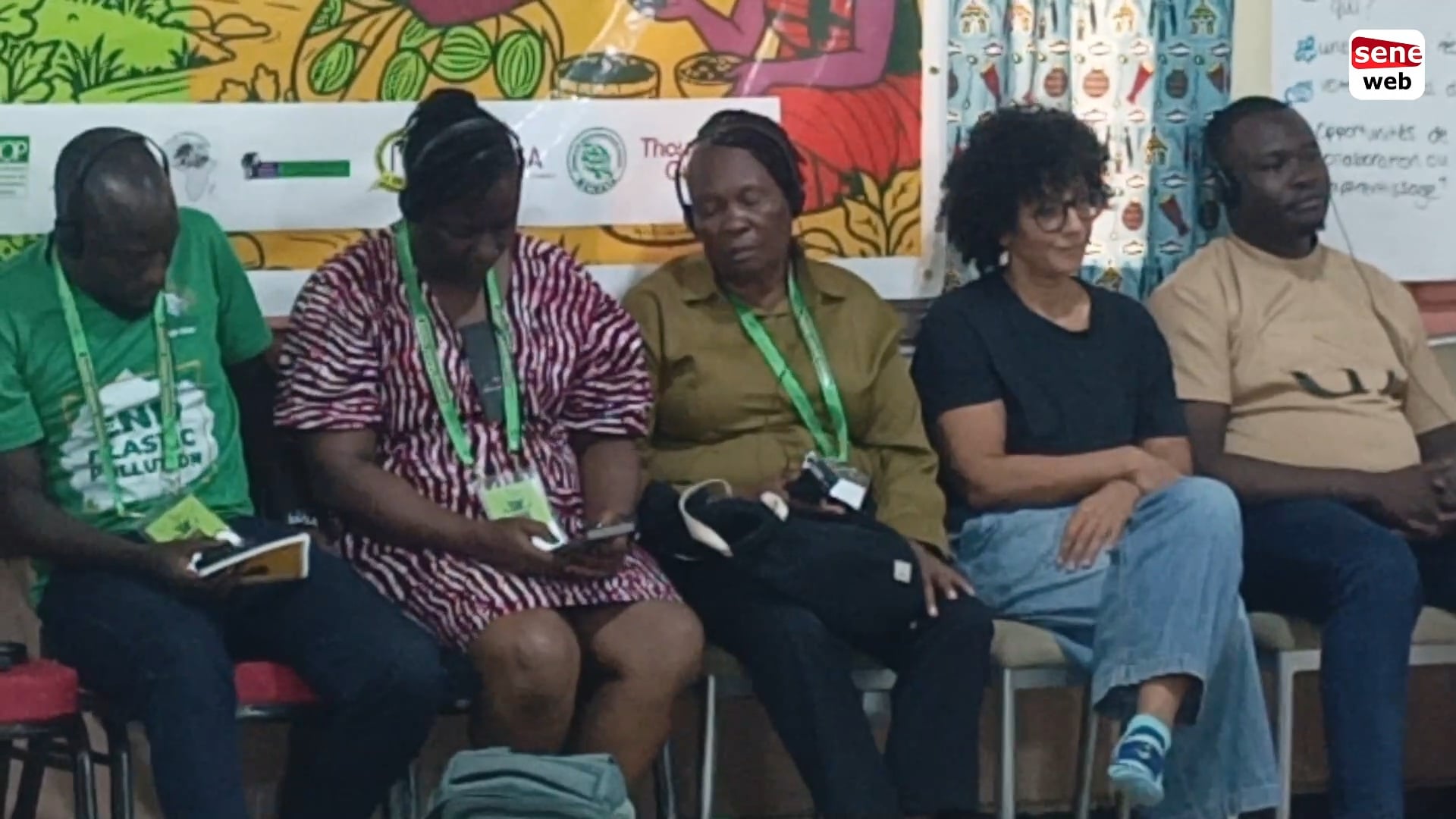
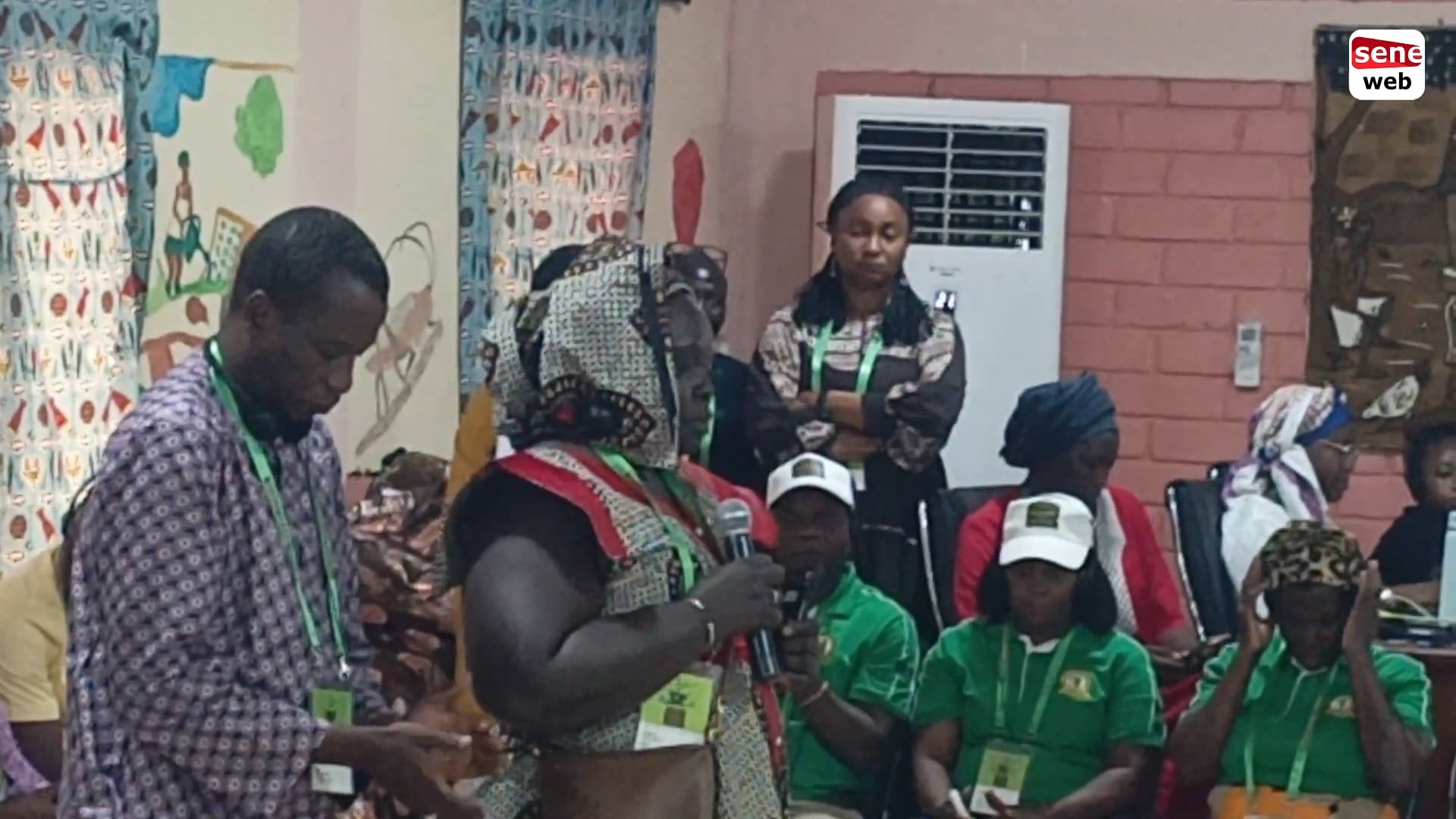
Niaguis has just written its name in the history of the African agroecological movement. During five days of work, reflection and sharing of experiences, representatives of peasant networks, civil society organizations, research institutes and citizen movements exchanged views on the challenges and prospects of agroecology in Africa.
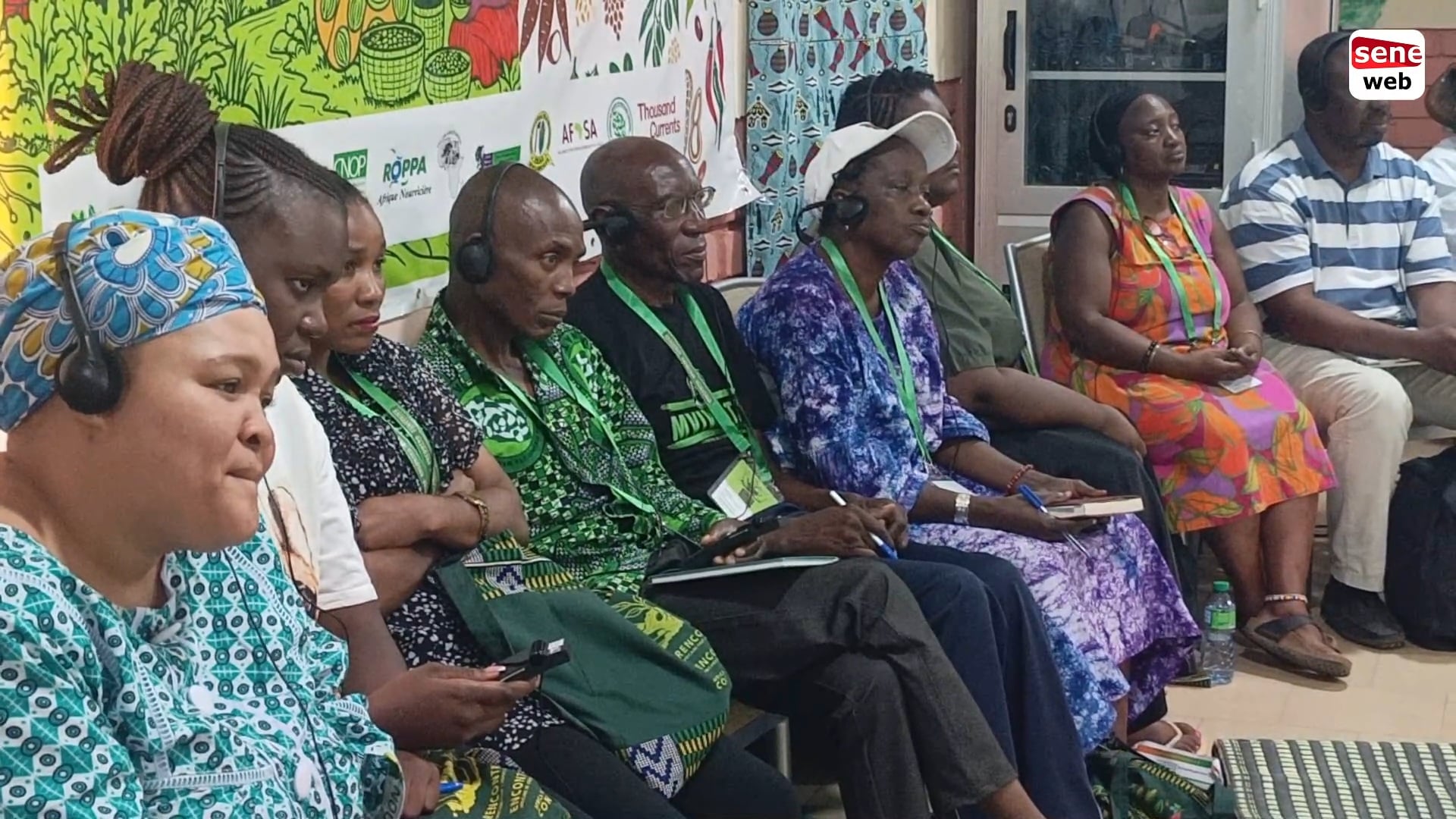
At a time when the continent is facing the effects of climate change, soil degradation, dependence on chemical inputs and the challenges of food sovereignty, participants made a strong appeal for strengthened cooperation between the different African regions engaged in the agroecological transition.
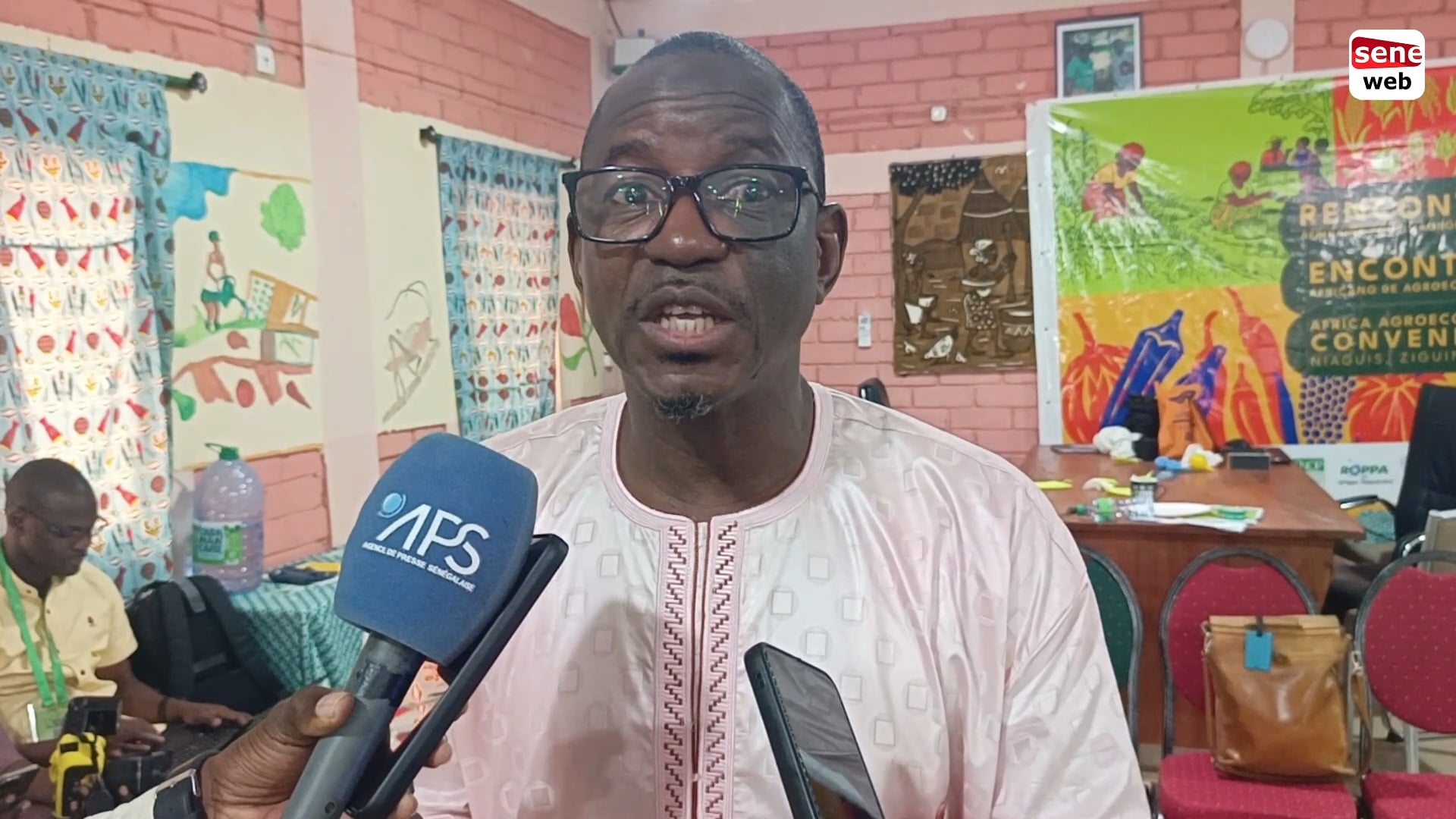
For Mamadou Goïta, Executive Director of the Institute for Research and Promotion of Alternatives in Development (IRPAD) in Mali, this meeting had above all the ambition of bringing together the main actors of agroecology from the different regions of the continent in order to promote the exchange of experiences and to create dynamics of convergence.
According to him, the first step was to allow each network to present its actions, its successes, but also the difficulties it faces. This exercise revealed a striking reality: despite the diversity of geographical and socio-economic contexts, the concerns remain largely shared.
The main challenges identified include difficulties in accessing financing, the availability of organic inputs, the valorization of local and traditional knowledge and its integration into training schemes for producers.
“We have observed that there are many convergences between African regions. The challenges are often the same and the responses developed here or there can be useful to other territories,” he explained.
The work then allowed for a deeper exploration of possible forms of collaboration between the different networks. Participants analyzed existing public policies, available institutional instruments, and the actors involved in agroecological transition processes.
The discussions highlighted, in particular, the progress made in West Africa, where several countries have committed to developing national agroecological transition strategies. This experience could inspire other regions of the continent.
For Mamadou Goïta, one of the major outcomes of this meeting is the emergence of a shared desire to create a permanent framework for dialogue among African agroecological stakeholders. However, this does not mean establishing a new continental organization.
“We do not want to create a new network. What we want to build is a dynamic space for dialogue, collaboration and collective learning where everyone can share their experiences and benefit from the successes of others,” he explained.
This space should allow organizations to harmonize their interventions, strengthen their capacity to influence public policies and increase their advocacy with African institutions and states.
The Malian official also recalled that agroecology rests on three inseparable pillars: science, practices and social movement.
“The production of knowledge through research is essential. Sharing innovative agricultural practices is just as important. Finally, agroecology is a movement that must create spaces for solidarity and collective action,” he argued.
Although no final declaration was adopted at the end of the meeting, the organizers believe that the process underway still requires time to build solid consensus among the different regions. A new interregional meeting is already being planned to further the discussions and define a common vision for the continent.
On the side of the pan-African movement "We Are the Solution", the assessment is largely positive.
Its coordinator in Senegal, Mamadou Danfakha, believes that this meeting marks an important step towards better coordination of African agroecological initiatives.
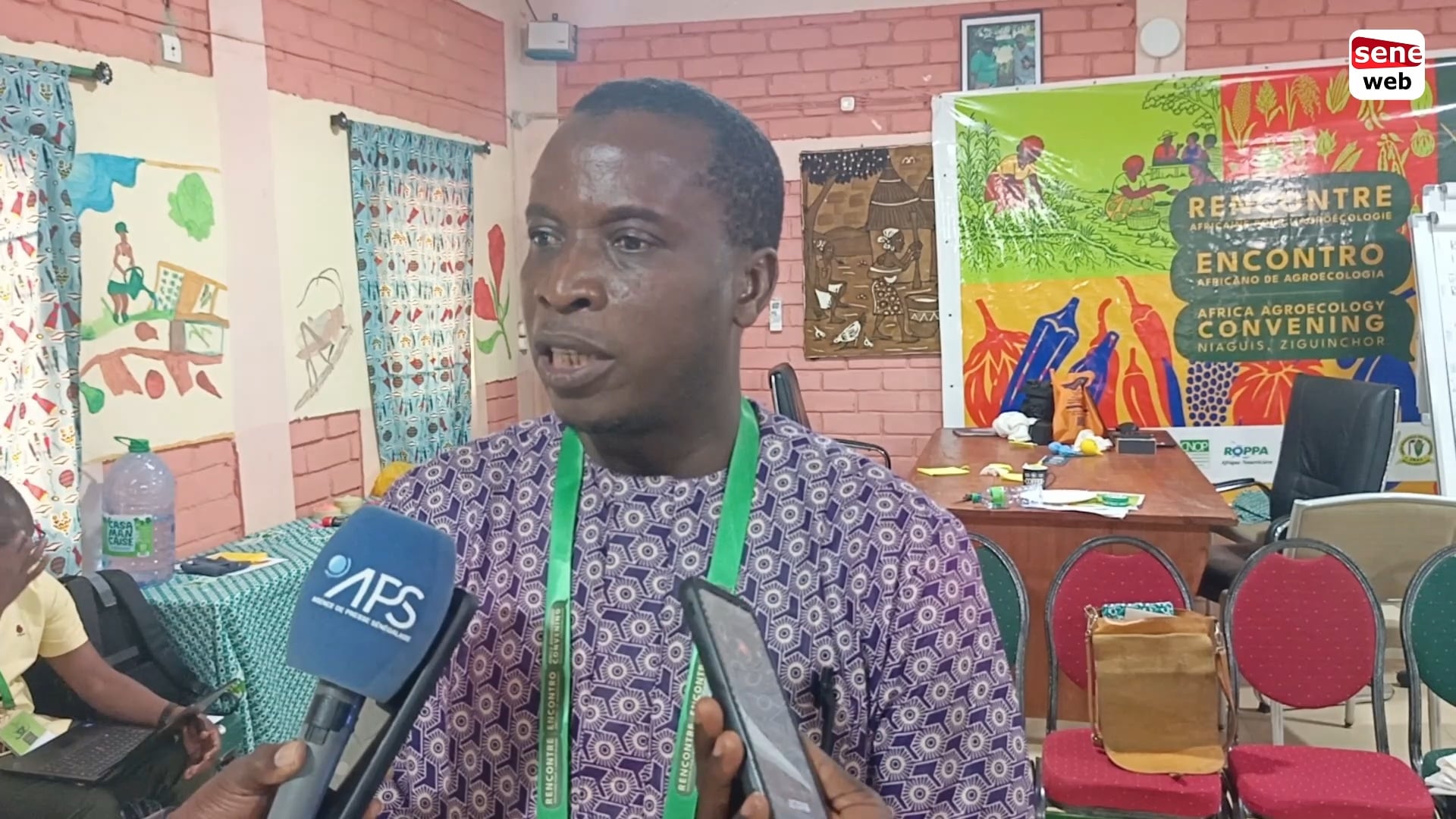
“We all work to promote agroecology, but often each in our own space. Today, we were able to think together about collaborative mechanisms that will strengthen our collective impact,” he said.
Among the prospects identified is the upcoming organization of an African agroecology fair. This initiative, welcomed by many participants, should provide a continental showcase for farmers' innovations, agroecological products, and know-how developed in different African regions.
For Mamadou Danfakha, such an event would constitute a powerful tool for raising awareness and advocating with public decision-makers.
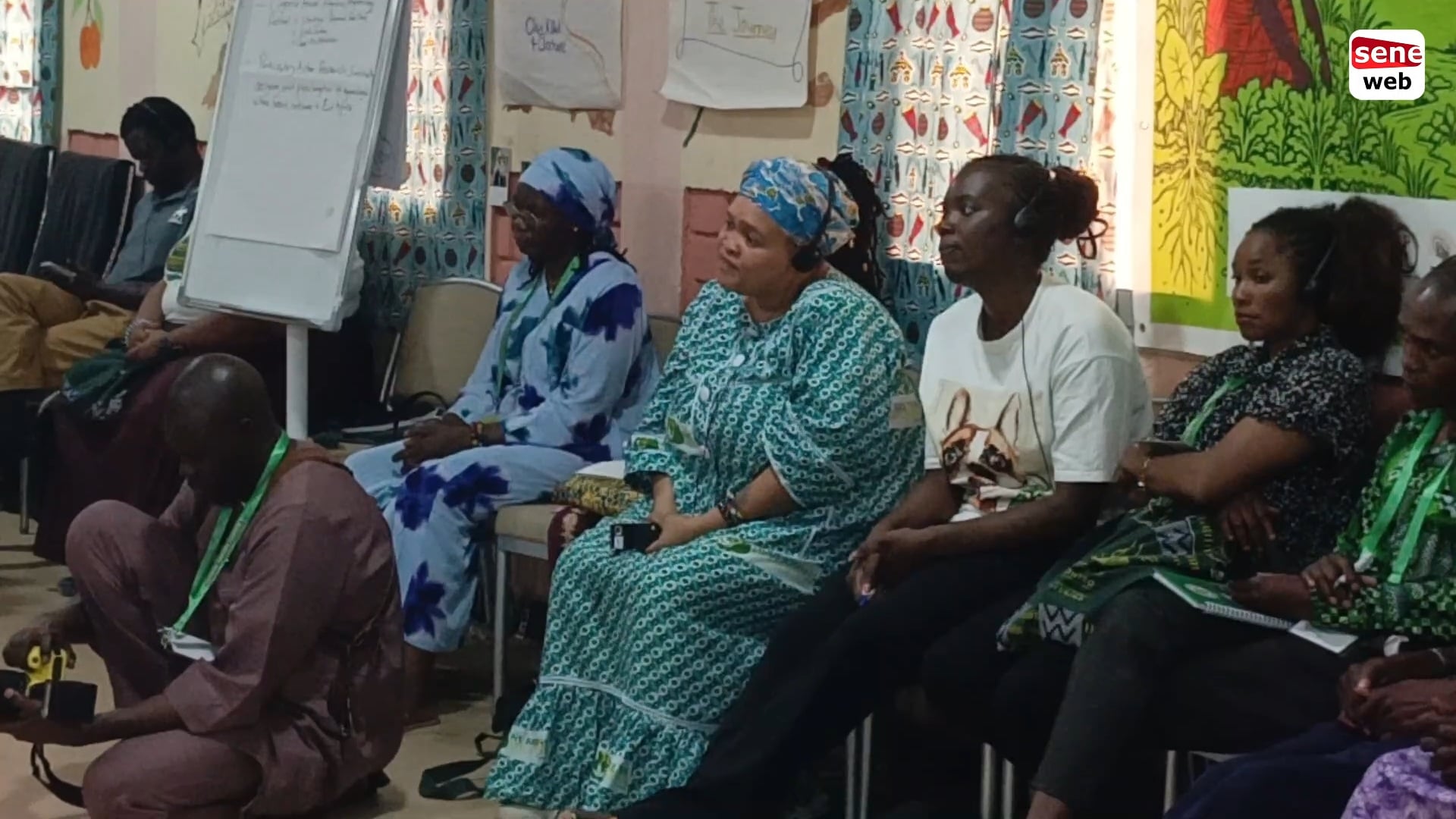
"The fair will demonstrate that agroecology is a credible response to food sovereignty and that it can offer a sustainable alternative to agriculture that is heavily dependent on synthetic chemicals," he stated.
The discussions also highlighted the importance of smallholder agroecological farms, considered true laboratories for learning and demonstration. Participants expressed a desire to expand these spaces to promote farmer training and the dissemination of best practices across the continent.
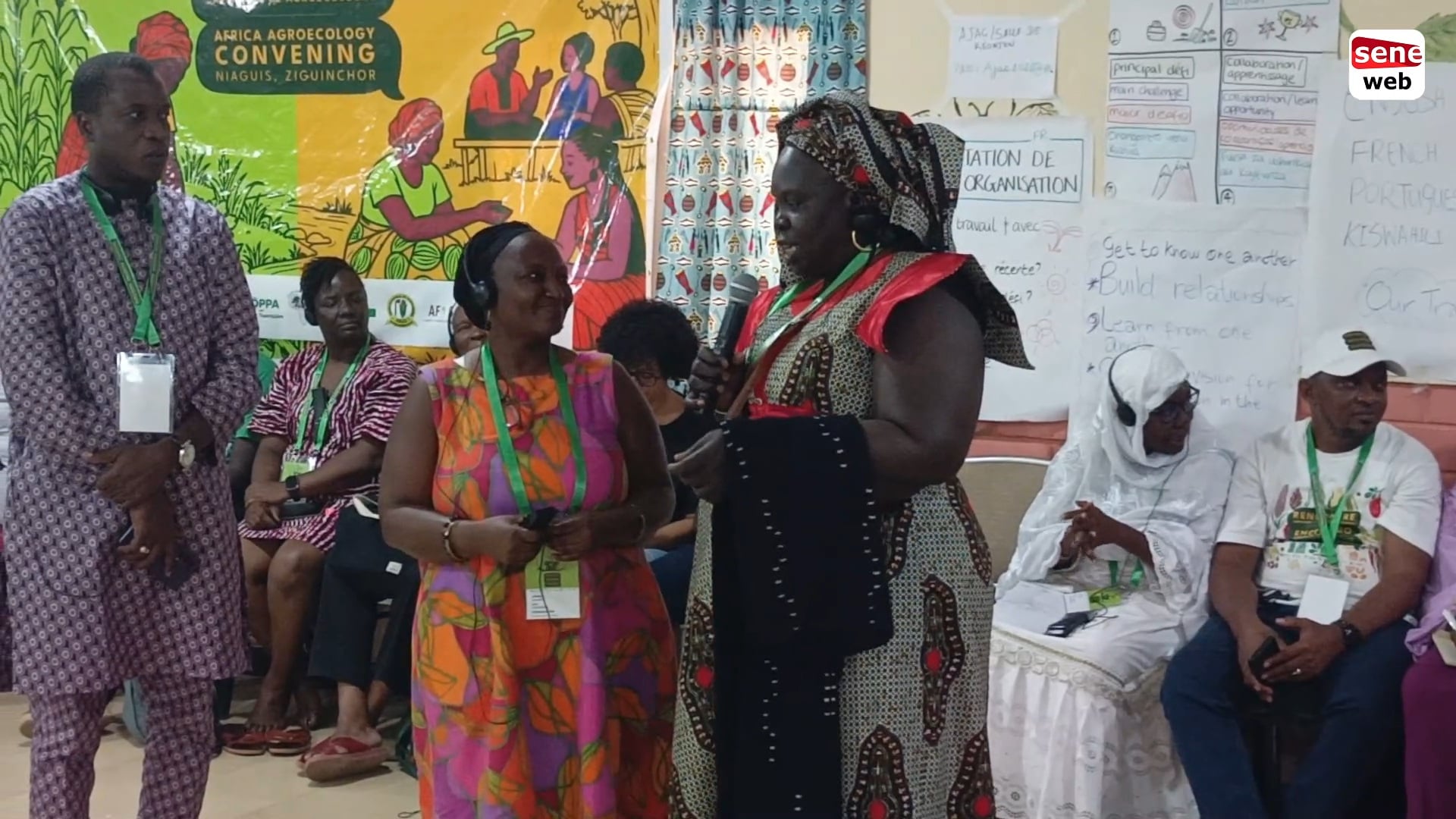
At the end of these five days of consultation, one conclusion is clear: African agroecology is entering a new phase of its development. In Niaguis, stakeholders in the sector have chosen to transcend regional boundaries to build a shared vision based on knowledge sharing, solidarity, and collective action.
An ambition that could, in the long term, make agroecology one of the main levers for transforming African food systems and achieving food sovereignty on the continent.













Commentaires (0)
Participer à la Discussion
Règles de la communauté
💡 Astuce : Utilisez des emojis depuis votre téléphone ou le module emoji ci-dessous. Cliquez sur GIF pour ajouter un GIF animé. Collez un lien X/Twitter, TikTok ou Instagram pour l'afficher automatiquement.
Se connecter
Commentez avec votre profil, votre photo, et soyez averti des réponses.