Afrique du Sud : un ultimatum contre les migrants sans papiers
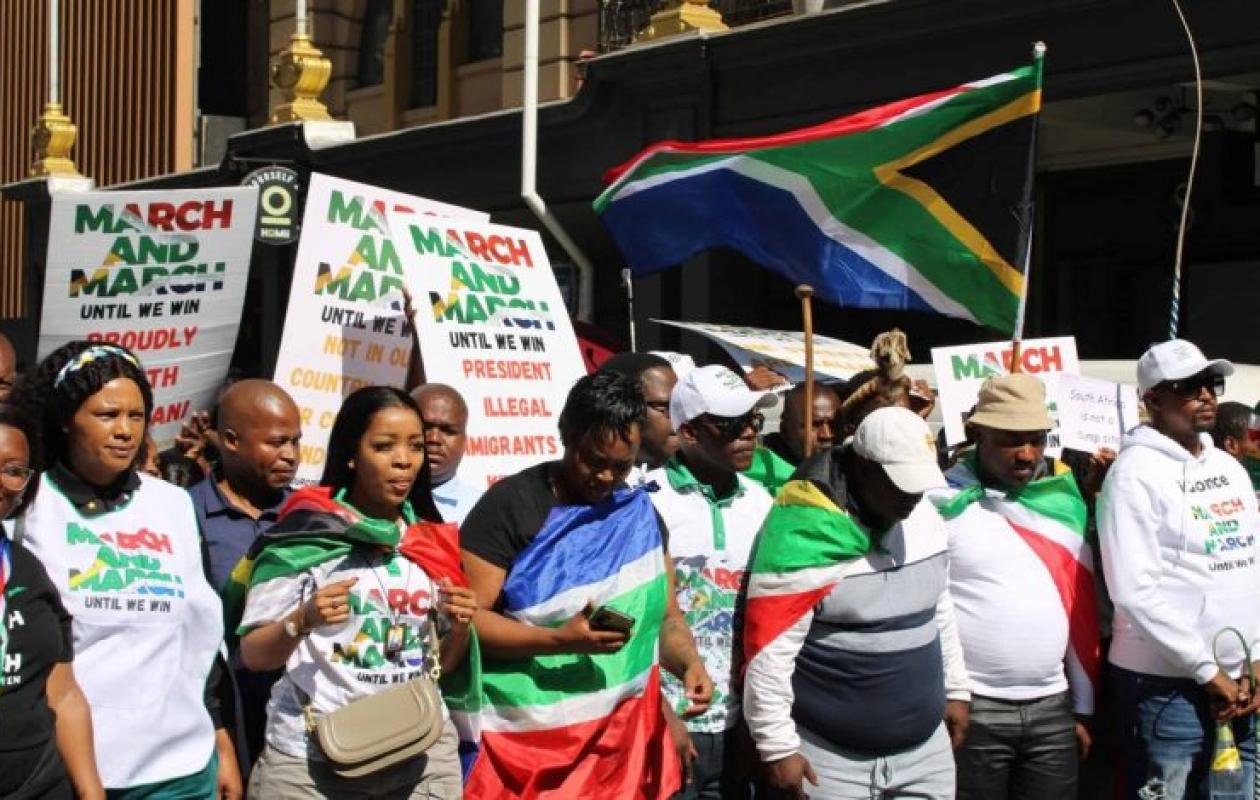
The March and March movement is threatening further protests. September 30th is a deadline set by the activists, not a general eviction order announced by the state.
Tensions remain high in Durban. The South African movement March and March has given undocumented migrants until September 30th to leave the country and is threatening further protests. This deadline originates from the activist group and does not, in itself, constitute a general expulsion order from the South African authorities.
In this port city, protests have been recurring for several months. Statements from organizers are fueling concerns among foreigners, while clashes have already occurred between demonstrators and migrants in the streets of Durban.
Another day of protests has been announced.
Sphelele Shinga, presented as a leader of the movement, claims that communities are preparing to gather again. He sets the goal of bringing together up to 1.5 million people at the next major demonstration. This is an ambition announced by the organizers, not a confirmed or guaranteed number of participants.
The date of September 30th had already been highlighted in August, during a mobilization around the Southern African Development Community summit in Durban. March and March leaders had then asked African leaders to prepare for the return of their citizens without legal residency status.
The current calls are therefore an extension of a campaign already underway. Activists are demanding a tougher response to irregular immigration and are presenting this new deadline as a national day of action.
Clashes have already occurred in Durban
On September 3, a confrontation broke out near the Ministry of the Interior building in the Umbilo district. According to the police, approximately one hundred protesters were participating in an operation presented as a cleanup when they allegedly seized belongings of foreigners living nearby.
Violence ensued. Police intervened to separate the groups and announced an investigation. Accounts of what triggered the clashes differ between the protesters and the migrants. The investigation aims to establish individual responsibility.
Refugee advocates denounce the stigmatization
Faced with this pressure, peace activists have expressed their support for the refugees. Ela Gandhi, a former member of parliament and granddaughter of Mahatma Gandhi, denounced the rhetoric that blames migrants for the difficulties faced in the country.
A Ghanaian refugee, Princess Adjei, described the precarious situation of people sleeping on the streets and the wait for their documents to be verified. These situations serve as a reminder that not all foreign nationals living in a camp have the same legal status.
The next stage announced by March and March is therefore September 30th. Until then, the immediate challenge in Durban remains preventing further clashes. The demands of a protest movement do not give its members the power to control residency permits or to carry out deportations themselves.






















Commentaires (3)
Participer à la Discussion
Règles de la communauté
💡 Astuce : Utilisez des emojis depuis votre téléphone ou le module emoji ci-dessous. Cliquez sur GIF pour ajouter un GIF animé. Collez un lien X/Twitter, TikTok ou Instagram pour l'afficher automatiquement.
Se connecter
Commentez avec votre profil, votre photo, et soyez averti des réponses.