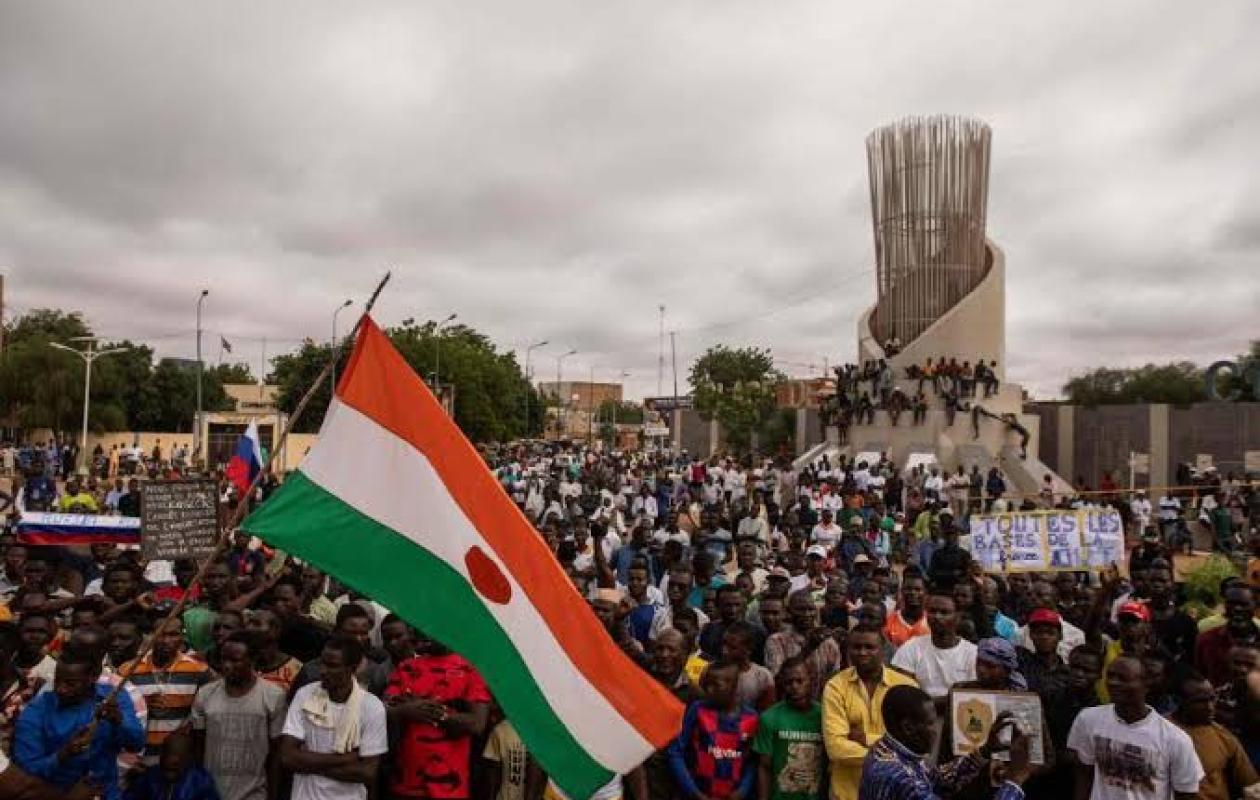
Crise post-2023 au Niger : Analyse de l'impact des sanctions régionales et internationales
A recent investigation published by the media outlet MDNtv revisits the management of the political crisis that occurred in Niger starting in the summer of 2023. The document highlights the extent of the retaliatory measures coordinated by regional organizations such as ECOWAS and UEMOA, while emphasizing the decisive role played by France and international donors in putting pressure on the Niamey regime.
In the wake of the change of power, ECOWAS adopted a series of unprecedented financial and trade sanctions, including border closures, asset freezes, and the suspension of economic transactions. Simultaneously, Paris suspended its €120 million in official development assistance, while the European Union and the World Bank froze their infrastructure project support and financing programs.
The direct socio-economic consequences on the populations
While the stated objective of the regional bodies and their international partners was to achieve the restoration of constitutional order, the direct repercussions of these decisions have weighed heavily on the daily lives of Nigerien citizens.
Several observers and civil society actors point to the logistical blockages at land borders, affecting the supply of essential goods and the distribution of humanitarian aid. Neighboring Nigeria's decision to cut off its electricity supply also led to significant power outages in the country, while the cap on bank withdrawals imposed by the BCEAO severely restricted the liquidity available to households and businesses.
According to Boubacar Kimba Kollo, secretary of the geopolitical commission of the Advisory Council for the Refounding of Niger, the constraints imposed from 2023 onwards represented a major challenge for the national economy and the standard of living of the population located in large urban centers and border areas.
Strategic issues and industrial sovereignty surrounding uranium
The case also highlights the economic frictions arising from the reorganization of Niger's mining sector, particularly the management of uranium deposits long exploited by the French group Orano. The Nigerien authorities' desire to regain direct control of their natural resources and to review historical partnerships has been hampered by international legal proceedings, arbitration disputes, and the suspension of maritime and industrial supply chains.
For some pan-African analysts, like the Congolese activist Jean Bwasa, these tensions illustrate the difficulty for the states of the sub-region to reconfigure their economic relations with the former colonial powers without exposing themselves to financial reprisals.
This political and financial sequence raises the question of the vulnerability of Sahelian economies to external levers of influence and revives the debate on the cost of economic sovereignty within regional blocs in West Africa.

















Commentaires (2)
NB: J'ai lu d'une source que j'ai pas encore pu vérifier qu'il vient d'être élevé au grade de général.
Participer à la Discussion
Règles de la communauté
💡 Astuce : Utilisez des emojis depuis votre téléphone ou le module emoji ci-dessous. Cliquez sur GIF pour ajouter un GIF animé. Collez un lien X/Twitter, TikTok ou Instagram pour l'afficher automatiquement.
Se connecter
Commentez avec votre profil, votre photo, et soyez averti des réponses.