Six meurtres en moins d’une semaine : le Sénégal saigne, les politiques s’écharpent !
Six murders in less than a week! The figure is chilling. Behind it lie lives cut short, families devastated, and a society that seems to be growing accustomed to the unbearable. In its Wednesday, October 28th edition, Libération unfolds the macabre scenario: Podor, Thiès, Guinaw Rails, Touba, Malika, Kébémer. Senegal sometimes resembles an action movie where no one knows the final episode. Except that, here, the blood doesn't dry on screens. It flows in homes, neighborhoods, and families.
The most terrifying thing isn't just the increasing number of murders. It's this proximity to death. A brother, a partner, an acquaintance, a neighbor. An argument, jealousy, a disagreement. And suddenly, life takes a dramatic turn. A knife replaces words, a machete ends the debate, anger becomes irreversible. In Podor, Aminata Sy was 17 years old. In Kébémer, the victim was a young shepherd. Childhoods cut short, futures stolen, families condemned to learn to live with absence.
Where is this society headed? At what point did we begin to treat human life as a worthless commodity? Violence may never have left our news stories; now it seems to impose a chilling rhythm upon them. And we are outraged, we share, we comment, before moving on to something else, until the next corpse.
Meanwhile, our politicians are tearing each other apart. Republicans, "patriots," "republican patriots," populists: each has their own camp, their own rhetoric, their own enemy. Words clash in the National Assembly, ambitions collide, and posturing flourishes. But who is fighting with the same energy to quell anger, protect women, prevent violence, and save lives?
This is not about holding politicians responsible for every crime. It is about remembering that a nation is not defined solely by its budget or its power struggles. It is also measured by the value it places on every life, by its capacity to protect the most vulnerable, and to prevent irreparable harm.
The real tragedy would be for us to become accustomed to horror. To read about six murders as if they were the results of a match. To mourn today, to forget tomorrow. The dead, however, do not return. And their families will never regain their lives.
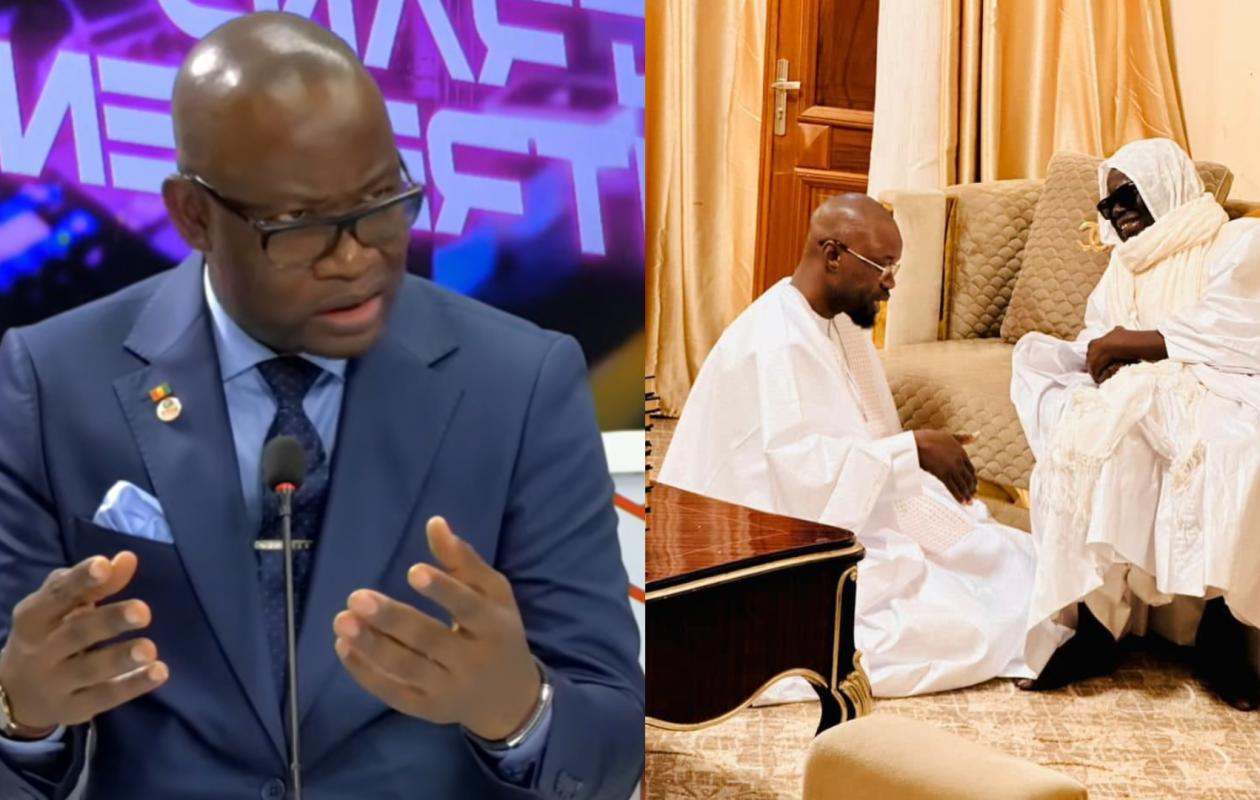
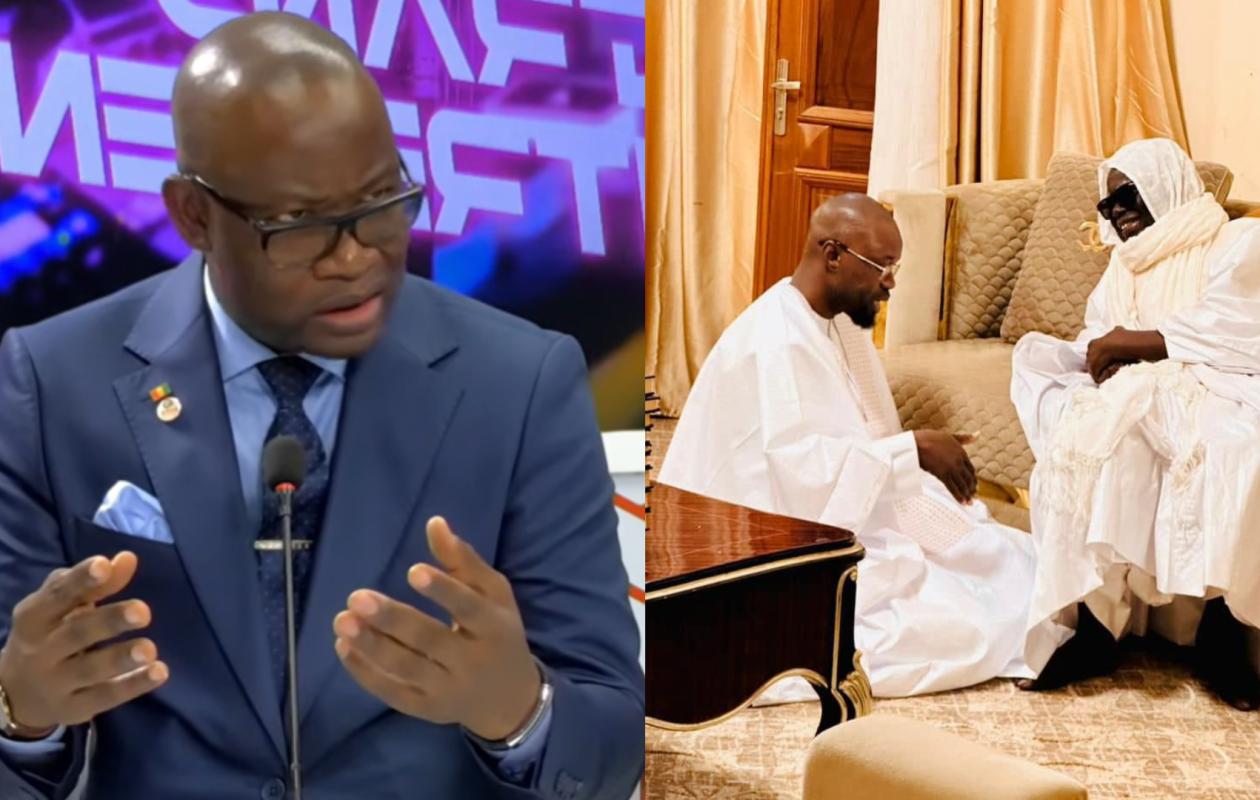
Also read: Ousmane Sonko's dig at Minister Cheikh Diba: "You could have spared us this..."
Senegal doesn't need another spectacle. It needs a wake-up call. Before this isolated incident becomes the most commonplace aspect of our society. Before the silence of consciences becomes more deafening than the cries of the victims.
When death becomes commonplace, the whole of society is in danger.
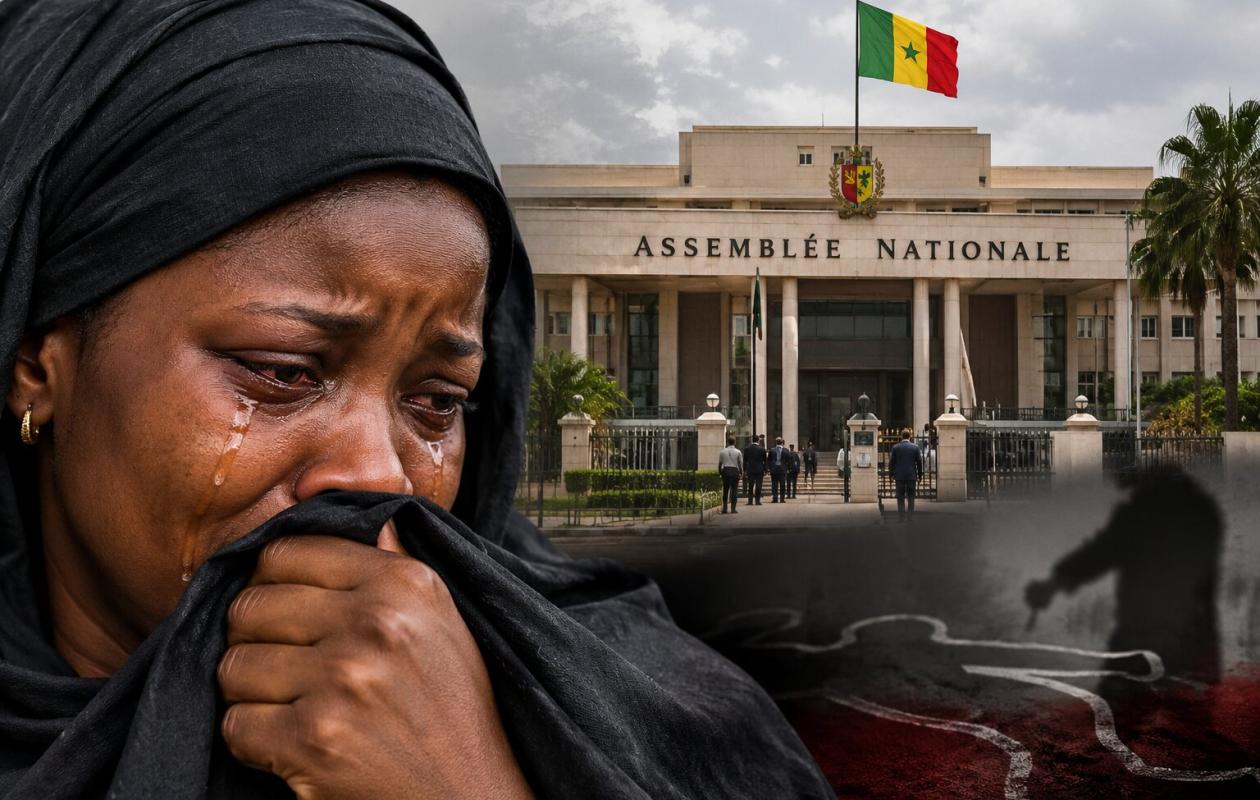
Illustration image: Artificial intelligence













Commentaires (38)
aucun esprit de discernement
L'évènement du pastef
C'est Ousmane sonko qui pervertit tous ces jeunes et aujourd'hui pour eux tuer c'est normal
Que dieu nous débarrasse de sonko et du pastel
Allahouma amine
Mis en cause dans plusieurs affaires de corruption, le candidat d’extrême droite, sommé par la justice brésilienne de rendre ses passeports, a quitté le pays pour l’Equateur après avoir franchi la frontière terrestre avec l’Argentine.
Participer à la Discussion
Règles de la communauté
💡 Astuce : Utilisez des emojis depuis votre téléphone ou le module emoji ci-dessous. Cliquez sur GIF pour ajouter un GIF animé. Collez un lien X/Twitter, TikTok ou Instagram pour l'afficher automatiquement.
Se connecter
Commentez avec votre profil, votre photo, et soyez averti des réponses.