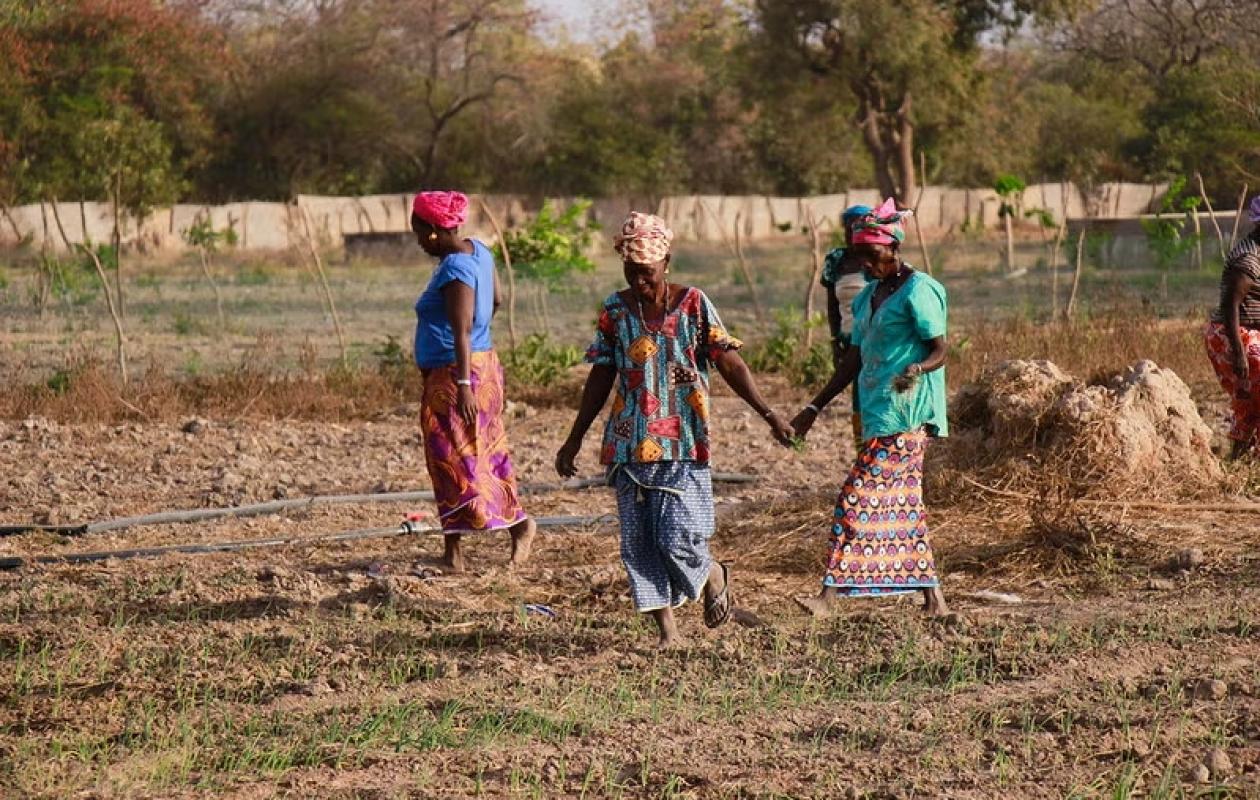
Souveraineté alimentaire : Pourquoi le Sénégal doit d'urgence lever les freins à l'autonomisation des femmes rurales
Senegal has officially launched the International Year of Women Farmers 2026. On this occasion, a strong plea was made for concrete measures to eliminate the many obstacles that continue to hinder the economic empowerment of rural women, who are nevertheless essential to food security and agricultural development in the country.
Speaking at the ceremony, the FAO Sub-Regional Coordinator for West Africa and Representative of the organization in Senegal, Bintia Stephen Tchicaya, emphasized that women occupy a central place in agri-food systems. They produce, process, and market agricultural products, while also playing a crucial role in household nutrition and community resilience to climate change.
Despite this major contribution, women producers continue to face significant structural constraints that limit their potential. The FAO official specifically highlighted their limited access to land, financing, technological innovations, agricultural advisory services, and decision-making bodies.
The figures illustrate the extent of these disparities. In Senegal, women represent nearly 65% of the agricultural workforce and provide more than 80% of food production. Yet, they hold less than a quarter of agricultural land rights and remain insufficiently served by financing mechanisms and productive services.
For the FAO, removing these barriers is an essential condition for accelerating the transformation of agri-food systems and strengthening food sovereignty. The organization welcomed the guidelines of the Senegal 2050 Plan, which makes women's economic empowerment a national priority, while reaffirming its commitment to supporting the government in implementing more inclusive agricultural policies.
As the guest of honor at the ceremony and the new FAO Champion for Women's Leadership and Empowerment in West Africa, artist Coumba Gawlo emphasized the urgent need for concrete action on the ground. She forcefully asserted that rural women need not compassion, but opportunities, investment, improved access to finance, markets, modern technologies, and training. In this regard, the singer called upon governments, technical and financial partners, and the private sector to increase their investments in support of rural women producers.
The same observation was made by the local administration. Daye Sow, the deputy sub-prefect of Toubacouta, identified access to land as one of the major challenges in the area. According to him, socio-cultural constraints continue to restrict women's land rights, despite their constant work in the field throughout the year. The shared objective for 2026 will therefore be to translate these commitments into concrete actions to guarantee rural women equitable access to resources and enable them to fully contribute to the nation's food sovereignty.





















Commentaires (0)
Participer à la Discussion
Règles de la communauté
💡 Astuce : Utilisez des emojis depuis votre téléphone ou le module emoji ci-dessous. Cliquez sur GIF pour ajouter un GIF animé. Collez un lien X/Twitter, TikTok ou Instagram pour l'afficher automatiquement.
Se connecter
Commentez avec votre profil, votre photo, et soyez averti des réponses.