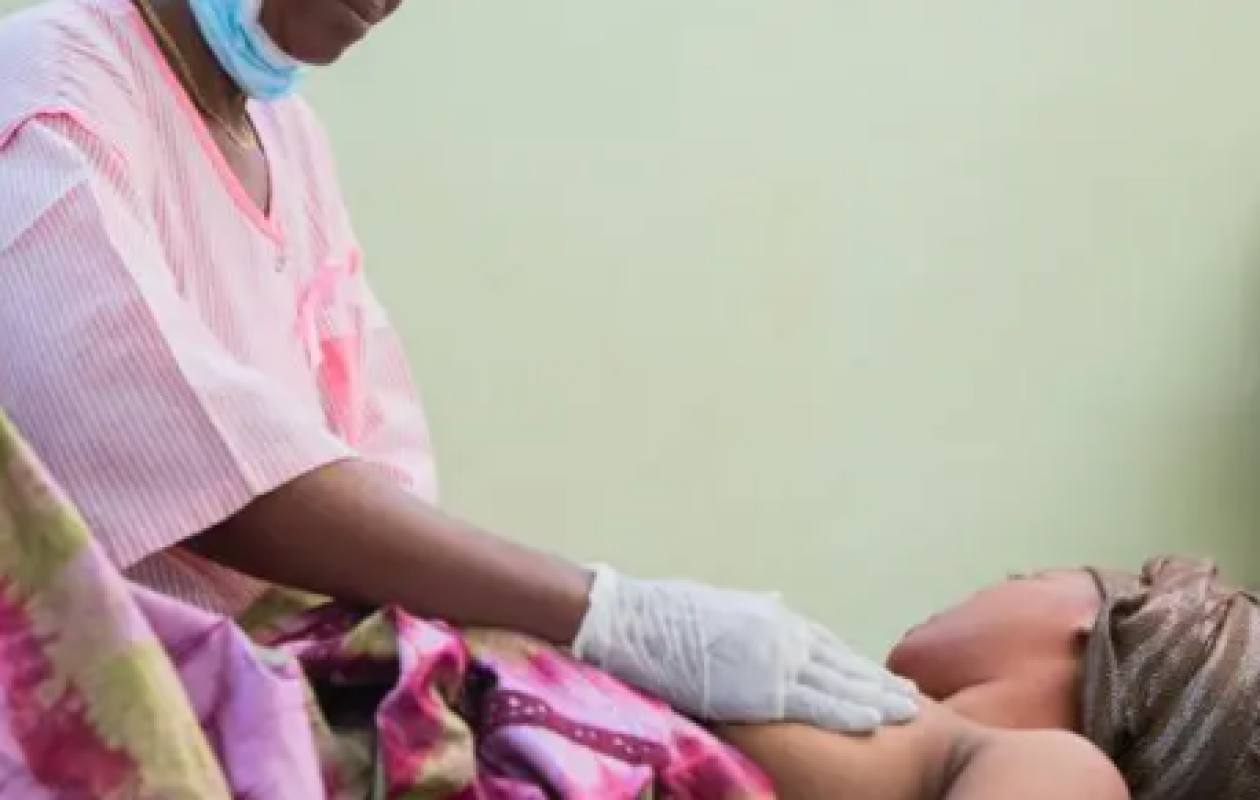
[Dossier] Cancer du sein : La face cachée d'une gratuité qui pousse beaucoup de malades à renoncer aux soins
In Senegal, breast cancer is not simply a battle against cancerous cells. For many patients and their families, it also represents a financial ordeal that begins with the first suspicions of the disease and continues throughout the entire treatment process. Behind the rhetoric of early detection and care programs lies a less visible reality: the cumulative expenses, travel between healthcare facilities, successive examinations, and treatments whose cost can quickly exceed the means of households.
The paradox is striking. While early diagnosis increases the chances of effectively treating the disease, the tests necessary to confirm cancer and determine the treatment strategy represent, for some patients, a difficult burden to bear. "A woman who discovers a lump in her breast doesn't necessarily know if she has a malignant tumor. But to be certain, she must consult a doctor, undergo imaging tests, possibly have a biopsy, and wait for the results of specialized analyses," explains Professor Baldé.
Each step has a price. And even before knowing for sure what disease she suffers from, the patient may already have spent hundreds of thousands of CFA francs.
The diagnosis, the first financial test
In public healthcare facilities, the rates cited by Dr. Salif Baldé, a medical oncologist, illustrate the scale of this initial bill. According to his estimate, a first consultation at a district health center costs approximately 2,000 FCFA. A consultation with a specialist at the hospital can then cost 5,000 FCFA. Added to these costs are a mammogram, estimated at 15,000 FCFA, and a biopsy, which involves taking a tissue sample for analysis. Its cost is estimated at 25,000 FCFA. The sample must then undergo an anatomopathological examination, also estimated at 25,000 FCFA in this simulation. This analysis studies the cells or tissues and determines whether the lesion is cancerous. Immunohistochemistry may be necessary to further characterize the tumor and guide treatment choices. The estimated cost for this examination reaches 60,000 FCFA.
The bill doesn't end there. The staging workup, which aims to detect any potential spread of the disease, may require a CT scan with contrast, estimated at 120,000 FCFA in this example. This is in addition to blood tests estimated at 30,000 FCFA and a cardiac ultrasound at 25,000 FCFA, particularly when a cardiac evaluation is necessary before certain treatments.
In total, this series of consultations and examinations represents approximately 307,000 FCFA, according to the amounts quoted by the oncologist. This estimate illustrates the cost of the diagnosis, but does not constitute a uniform national price: prices can vary depending on the facility, the examinations actually prescribed, and each patient's clinical situation.
For a low-income household, spending such a sum in just a few weeks is sometimes impossible. The difficulty is compounded by the fact that these expenses occur before treatment even begins, at a time when the family is still struggling to cope with the possible diagnosis of a serious illness. "The patients who come to us all want to get better," Dr. Salif Baldé points out. But the desire to seek treatment quickly runs up against the issue of financial resources. Illness doesn't always allow enough time to gather the necessary funds, while the scheduling of tests and the time it takes to receive results only adds to the uncertainty.
Mammograms, biopsies, and specialized tests are not mere formalities. They allow for confirmation of the diagnosis, clarification of the tumor's nature, and preparation of an appropriate treatment plan. Without this information, specialists cannot determine the therapeutic strategy with sufficient precision.
Mammography , biopsy, tests: the price of certainty
In the healthcare process, each examination answers a specific medical question. Mammography allows doctors to detect or characterize breast abnormalities. When a suspicious lesion is identified, a biopsy may be prescribed. The sample is then analyzed in a laboratory to determine the nature of the lesion.
The confirmation of a cancer diagnosis does not necessarily mark the end of expenses related to the diagnosis. On the contrary, it can open a new series of tests aimed at better understanding the disease before choosing a treatment.
The cost of specialized analyses, particularly histopathology and immunohistochemistry, is especially significant. These tests help establish what doctors consider the tumor's "identity card": its characteristics, which contribute to determining the most appropriate treatment. At this stage, several specialists may be involved. The surgeon, medical oncologist, radiation oncologist, radiologist, and laboratory professionals each contribute to the evaluation of the case. Depending on the stage of the disease and the tumor's characteristics, further tests may be necessary.
Dr. Fallou Sall, a radiation oncologist at Cheikh Ahmadoul Khadim Hospital in Touba, emphasizes the importance of this assessment. The diagnosis is refined based on the progression of the disease and the results of investigations. Treatment may require a single therapeutic modality or combine several approaches to increase the chances of recovery.
But as the medical file grows, the bill increases. The cost no longer depends solely on the initial examination: it is also linked to the stage of the disease, the patient's needs, and the medical decisions made along the way.
This reality explains why two women with breast cancer do not necessarily face the same expenses. One may need surgery and medication. The other may require a combination of surgery, chemotherapy, and radiation therapy, with additional tests before, during, or after treatment.
Financial difficulties then become a problem of continuity of care. It's not enough to simply get an initial appointment or receive a diagnostic confirmation. Patients must also be able to finance the subsequent steps, keep their appointments, and adhere to the prescribed treatment.
From 500,000 to over one million FCFA: a lengthy treatment process
The testimonies gathered reveal another dimension of the problem: the overall cost of treatment far exceeds that of the initial examinations. Mame Diarra Gueye Kébé, a patient who overcame the disease and has since become an advocate, estimates that a patient can spend at least one million CFA francs to cope with the illness, and even more if treatment is prolonged. According to her, even before treatment begins, patients must pay for mammograms, CT scans, biopsies, and the tests necessary to confirm the cancer and determine its type.
In terms of cost, a mammogram can cost around 30,000 FCFA, while a CT scan can cost at least 100,000 FCFA. Biopsy and laboratory fees are additional. Depending on the tests requested and the facilities used, the total cost of diagnosis and pre-treatment assessment can therefore approach or exceed 500,000 FCFA.
These amounts should, however, be interpreted with caution. They correspond to estimates and reported situations, and not to a uniform price list applicable to all patients. The number of tests required, the fees charged, and the treatment arrangements vary from one facility to another. Dr. Fallou Sall, for his part, mentions expenses that can reach at least 1.2 million FCFA in certain situations, depending on the tests and treatments required. This estimate demonstrates the scale of the financial burden that patients can face, even if it does not represent the systematic cost of all breast cancers. In addition to the medical bill, there are less visible expenses: transportation between home and healthcare facilities, possible accommodation, food, support from a relative, and loss of income when the illness prevents work. For a woman living far from a specialized center, these expenses can be repeated at each appointment. The cost of cancer is therefore not limited to medications or medical procedures. It encompasses all the expenses necessary to access care, continue it and cope with the consequences of the illness on daily life.
Chemotherapy is free, but the costs range from 500,000 to over one million francs.
In Senegal, free chemotherapy is a significant achievement in the fight against cancer. Dr. Salif Baldé emphasizes that chemotherapy drugs and related products are covered under the aforementioned program. This measure represents a relief for patients who must undergo repeated sessions. However, it does not mean that the entire treatment process is free.
Indeed, consultations, tests necessary to confirm the diagnosis, certain biological and radiological assessments, as well as other medical procedures, may remain the responsibility of the patients, depending on the applicable programs and the facilities they use. Yet, it is precisely these expenses that can prevent a woman from accessing chemotherapy in a timely manner. "The cost is incurred even before treatment begins," explains Dr. Salif Baldé. "A policy of free medication can lose some of its effectiveness if patients cannot afford the tests that are prerequisites for accessing treatment," he laments. It is not enough to simply make medication accessible. Patients must also be able to reach a diagnosis, benefit from the necessary tests, and have a complete medical file, the specialist insists.
The question becomes even more pressing when the disease is discovered at an advanced stage. Treatment may then require multiple interventions, combined therapies, and more complex follow-up. Expenses increase, while the chances of recovery depend, in particular, on the stage of the disease, its characteristics, and the response to treatment.
Surgery , medication, radiotherapy: three approaches that can be combined
Breast cancer treatment does not follow a single protocol. Depending on the diagnosis, specialists may use surgery, medication, radiation therapy, or a combination of these approaches. Dr. Fallou Sall distinguishes three main treatment modalities: medication, which may include injections and infusions; surgery; and chemotherapy. In practice, the treatment strategy depends on the type of cancer, its stage, and the characteristics of the tumor. Some patients may also require hormone therapy or other targeted therapies.
Surgery aims to remove the tumor, according to medical indications. Chemotherapy uses drugs designed to destroy cancer cells or prevent them from multiplying. Radiation therapy, on the other hand, relies on the use of radiation to destroy cancer cells in a specific area. These treatments can be administered at different stages. Some patients receive chemotherapy before surgery to reduce the size of the tumor. Others undergo surgery before receiving further treatment. Radiation therapy may also be indicated to reduce the risk of recurrence.
Each decision involves a medical evaluation and, sometimes, further examinations. The process can therefore extend over several months, or even longer depending on the situation. For families, this duration represents a financial as well as an emotional ordeal. Dr. Fallou Sall emphasizes that early consultation increases the chances of receiving effective care. The earlier the disease is identified, the more appropriate therapeutic options specialists have. Conversely, a late diagnosis can complicate treatment and reduce the available options. Radiotherapy is another source of concern for patients who require it. According to figures cited by Dr. Fallou Sall, its cost can exceed one million CFA francs under certain pricing conditions. He indicates that the government provides a subsidy that reduces the maximum price mentioned to 150,000 CFA francs for Senegalese citizens, compared to 700,000 CFA francs for foreign patients. These amounts should be verified with the relevant organizations, as the actual fees charged depend on the applicable regulations, the prescribed procedures, and the eligibility criteria for the subsidy. Even when the price is reduced, the expense can still be difficult to bear for a household that has already financed several tests, consultations, and other treatments. This difficulty is compounded by the need to keep appointments and adhere to the treatment schedule. A patient who cannot raise the required amount risks delaying a step in her care. However, continuity of care is essential to avoid interruptions that could compromise treatment. "The financial burden of the illness has consequences that go beyond the amount on a bill. It directly affects patients' behavior, the timing of their consultations, and their ability to continue treatment." According to Dr. Salif Baldé, out of ten people who should be seeking care, only five or six manage to do so in the situation he describes.
For Dr. Salif Baldé, the challenge goes beyond simply providing free medication. He believes that public support for diagnostic costs could change the situation for many patients. He specifically mentions the possibility of covering diagnostic tests up to 40,000 to 50,000 FCFA, or public funding covering 80% of certain expenses. However, the doctor emphasizes, this requires political will.





















Commentaires (14)
Guérir du cancer relève déjà presque du miracle mais alors si on a pas la prise en charge et un esprit tranquille on a aucune chance.
Subvention ITALIE........Quels produits sont concernés en Italie en 2026 ?
1. Produits alimentaires de base
Pain, pâtes, riz, farine, lait, fromage, œufs, viande, poisson, fruits, légumes, huile, légumineuses et conserves.
2. Produits italiens de qualité
Produits bénéficiant des labels DOP et IGP, comme certains fromages, huiles d’olive et produits régionaux.
3. Électricité et gaz
Des aides sur les factures sont prévues pour certains ménages et certaines entreprises, sous conditions de revenus et de consommation.
Sonko est un cancer pour le Sénégal
Type de cancer Coût moyen estimé des traitements
Cancer de la prostate Environ 3 200 £
Cancer du poumon Environ 4 100 £
Cancer colorectal Environ 7 900 £
Cancer du sein Environ 9 500 £
Les dépenses médicales aux États-Unis sont parmi les plus élevées au monde. Selon une étude portant sur les coûts de soins entre 2019 et 2022, les dépenses moyennes annuelles par patient variaient fortement selon le cancer.
ISPOR.org
+1
Type de cancer Coût médical annuel moyen estimé
Cancer de la prostate 72 682 $
Cancer colorectal 95 497 $
Cancer du sein 99 450 $
Cancer du poumon 220 302 $
Pub
QUEL PRODUITS SUBVENTIONES AU CANADA
Au Canada, en 2026, il existe des aides publiques pour certains achats, mais aussi des aides financières versées aux ménages et aux producteurs. Voici les catégories les plus importantes, d’après les programmes officiels canadiens.
1. Quels produits peuvent bénéficier d’aides au Canada ?
Bread, Milk and Eggs
– Mei Convenience
Produits alimentaires
Lait, œufs, pain, farine, riz, viande, fruits et légumes. Il n’existe pas de réduction fédérale universelle sur tous ces produits. En revanche, les ménages admissibles peuvent recevoir une aide pour leurs dépenses courantes.
Canada
+1
Mini-Split Heat Pump HVAC System | 1Click Heating & Cooling
Pompes à chaleur et équipements énergétiques
Certaines pompes à chaleur et rénovations énergétiques peuvent bénéficier d’aides, selon le programme, le revenu et la province.
Canada
FLO Maison X6 - Borne de recharge 50 ampères | FLO Store
Voitures électriques
Le programme fédéral canadien prévoit des incitations pouvant atteindre 5 000 $ CA en 2026 pour certains véhicules admissibles, sous conditions.
Canada
+1
Mapping & Agriculture Applications | Northern Drone Services in BC & Alberta | Northern Drone Services | Alberta and BC 4k Cinematic Drone Video, Professional Aerial Photography, Mapping, Inspection and Thermal Imaging
Agriculture et matières premières agricoles
Des programmes soutiennent les agriculteurs, notamment pour les investissements, la gestion des risques et certaines activités de production. Cela ne signifie pas que le blé, le maïs ou les engrais sont systématiquement vendus à prix subventionné.
agriculture.canada.ca
2. Une aide importante pour les courses alimentaires
Le Canada a mis en place le Canada Groceries and Essentials Benefit, une aide financière pour les personnes et familles admissibles à revenus faibles ou modestes. En 2026, le dispositif prévoit notamment une augmentation des versements trimestriels et un paiement complémentaire pour les bénéficiaires concernés. Il faut généralement produire une déclaration de revenus pour être évalué.
Canada
Le gouvernement fédéral a également suspendu la totalité de la taxe fédérale d’accise sur l’essence et le diesel jusqu’au 31 janvier 2027, ce qui réduit indirectement le coût du carburant.
Canada
Participer à la Discussion
Règles de la communauté
💡 Astuce : Utilisez des emojis depuis votre téléphone ou le module emoji ci-dessous. Cliquez sur GIF pour ajouter un GIF animé. Collez un lien X/Twitter, TikTok ou Instagram pour l'afficher automatiquement.
Se connecter
Commentez avec votre profil, votre photo, et soyez averti des réponses.