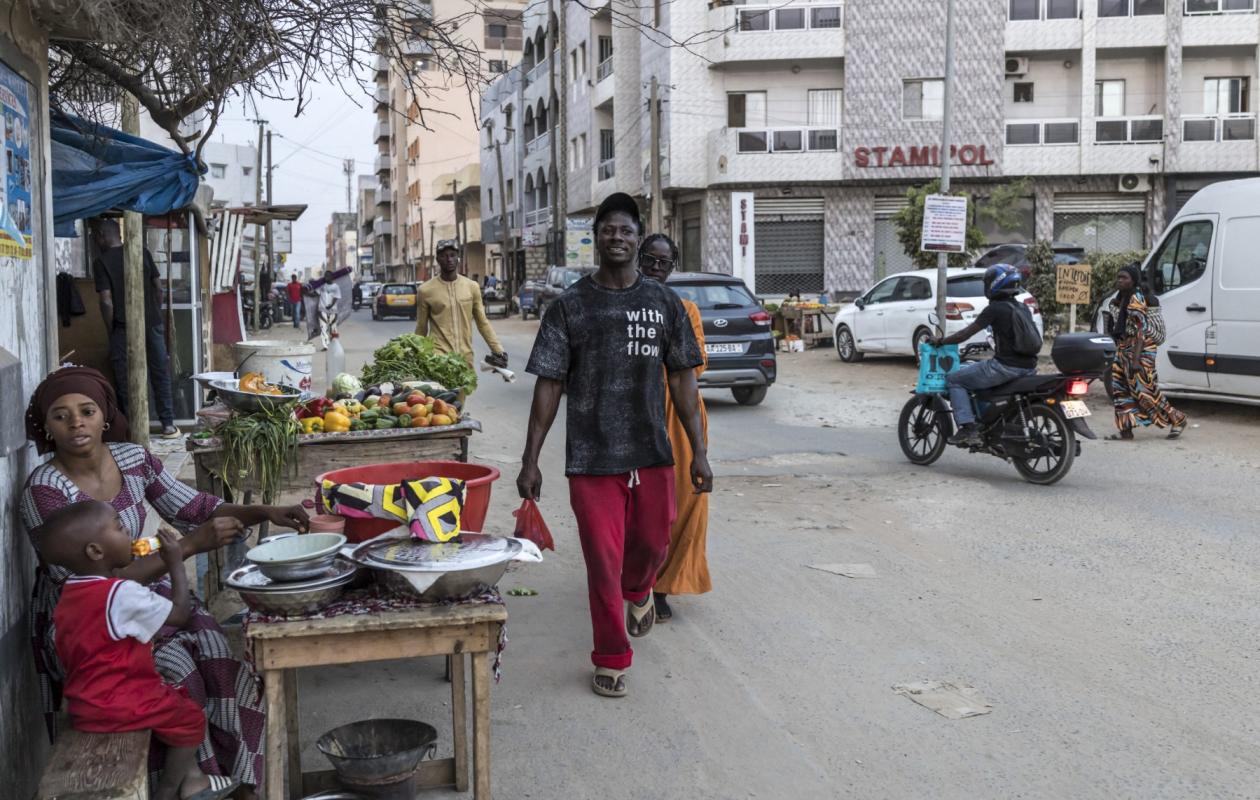
[Dossier 3/3] « Supprimer régulièrement un repas est un signal fort d’insécurité alimentaire » : Les vérités du patron de la gestion des crises alimentaires
Does regularly skipping a meal, especially dinner, already constitute a warning sign?
Indeed, this is a strong signal indicating that we are experiencing food insecurity. Households have minimal, or even insufficient, food consumption, or are unable to meet their basic needs. This situation also translates into the inability to afford certain essential non-food expenses without resorting to irreversible coping strategies. In the long term, this could lead to high rates of acute malnutrition, exceeding acceptable levels.
Does removing a meal necessarily mean that an area will tip towards famine?
No. The shift towards famine is triggered by specific situations that are measured using specific scientific criteria. For famine to occur, at least 20% of the population in the affected area must be experiencing extreme food deprivation or shortages, in addition to households being completely unable to meet their other basic needs, even by employing survival strategies. Often, famine is accompanied by significant excess human and animal mortality, a total collapse of livelihoods, and extremely critical rates of malnutrition.
How then do we measure the transition from food insecurity to emergency, and then to famine?
The situation is assessed using a progressive severity scale. Initially, households meet their food and essential needs normally, without resorting to unusual coping strategies. When the situation begins to deteriorate, they still meet their nutritional needs but must reduce certain essential expenses and implement stress management strategies.
At a higher level, households experience severe food shortages and must sacrifice their livelihoods to access food. When these shortages become deep, families resort to emergency strategies that can include the liquidation of essential assets. The ultimate level corresponds to extreme deprivation, the collapse of livelihoods, and major risks of mortality.
When families reduce portion sizes or replace meals with less expensive foods, who are most at risk?
In this situation, the most vulnerable groups are pregnant and breastfeeding women (PBF), as well as children aged 6 to 59 months, who are particularly at risk of acute malnutrition. Therefore, interventions include screening and medical care for malnourished children, awareness campaigns on maternal and infant nutrition, hygiene promotion, early access to healthcare, and the distribution of fortified flours.
What measures need to be taken urgently to prevent the situation from worsening?
In the short term, it is imperative to make food accessible at affordable prices throughout the country. It is also essential to preserve jobs, secure incomes, strengthen the purchasing power of households vulnerable to shocks, combat inflationary practices, and reinforce official price controls in markets. Adequate food supplies to urban and peri-urban areas must be guaranteed, as well as emergency food assistance for rural households that have exhausted their stocks. Finally, it is important to promote the quality of local products and encourage the "buy local" mentality.
Beyond the immediate emergency, what responses should be implemented in the medium and long term?
Strengthening synergies between agribusiness and small-scale producers is essential to optimize production and marketing. It is also urgent to break free from exclusive dependence on rain-fed agriculture by creating the conditions for sustainable, year-round production. This requires massive investments in hydro-agricultural infrastructure, the mechanization of production tools, the professionalization of supply chains, training for young people and women, and the creation of rural jobs. The dissemination of meteorological information and the development of scientific research remain equally crucial in the face of climate change.
What is the State doing to support households facing food insecurity in Dakar and in the regions?
For the Dakar region, government action aims to preserve purchasing power through targeted subsidies, regular market supplies, and price regulation. For departments affected by food insecurity, the State of Senegal has allocated a total of 7,202,737,225 FCFA for food and livestock assistance.
This budget is allocated as follows:




















Commentaires (6)
Félicitations à Seneweb qui pour une fois publie un article aussi important et révélateur.
L'histoire politique du Sénégal a suffisamment montré que ces "gouvernants " se foutent du devenir des senegalais.
Ils ne sont imbus que de leurs propres intérêts.
Je suis loin d'un quelconque pessimisme mais qui vivra, verra!
Participer à la Discussion
Règles de la communauté
💡 Astuce : Utilisez des emojis depuis votre téléphone ou le module emoji ci-dessous. Cliquez sur GIF pour ajouter un GIF animé. Collez un lien X/Twitter, TikTok ou Instagram pour l'afficher automatiquement.
Se connecter
Commentez avec votre profil, votre photo, et soyez averti des réponses.