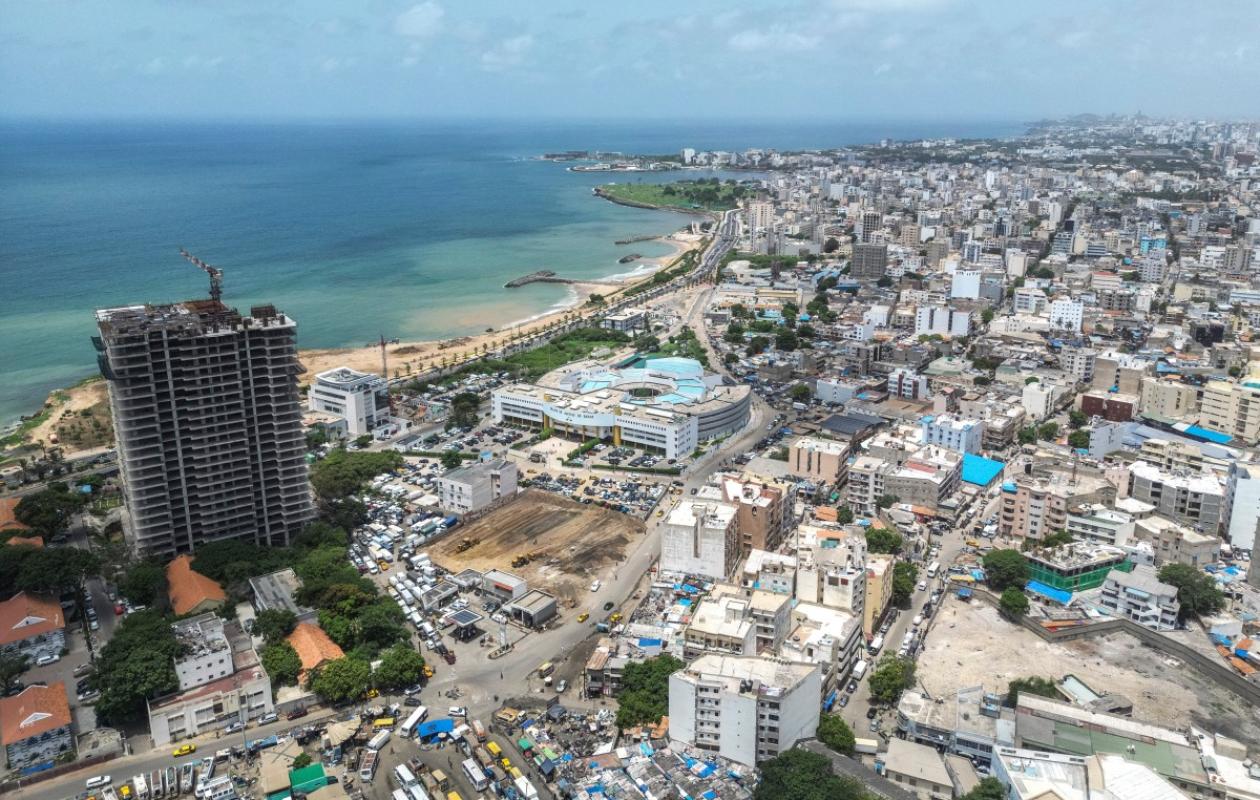
[Dossier] Dette sénégalaise : ce que recouvre le plan de traitement annoncé par Dakar
Between the drastic review of public accounts by the Court of Auditors and a $2.2 billion agreement in principle with the IMF, Dakar is attempting to loosen its debt grip. While the government favors the term "reprofiling" and excludes securities issued in CFA francs on the regional market, the Senegalese Debt Treatment Plan (PTDS) raises significant technical and financial questions. This analysis examines a strategy that aims to extend maturities and reduce debt servicing without formally defaulting.
On September 1, 2026, two announcements reshaped Senegal's financial landscape. Dakar presented its Debt Treatment Plan (PTDS ), while IMF staff reached an agreement in principle on a program worth approximately $2.2 billion . The government aims to postpone certain repayment deadlines and reduce the average cost of the debt, while excluding instruments denominated in CFA francs from the plan. A few days later, the Prime Minister spoke of reprofiling, and the Minister of Finance dismissed the idea of a traditional restructuring. The terminology has changed, but the financial implications of the treatment will be evident in the contracts and the payment dates.
This timetable puts pressure on accounts that have already been revised. The public debt bulletin published in July 2026 puts the outstanding public sector debt at 25,583 billion FCFA at the end of 2024, according to its scope, while the Prime Minister estimates arrears to suppliers at 1,956 billion FCFA at the end of March 2025. These figures do not represent the same receivables or the same date, but they indicate two obligations that the Treasury must include in its financing needs. A payment deferral can buy it time without reducing the principal amount shown. For the lender, the impact of the delay also depends on the promised interest and the value of future payments.
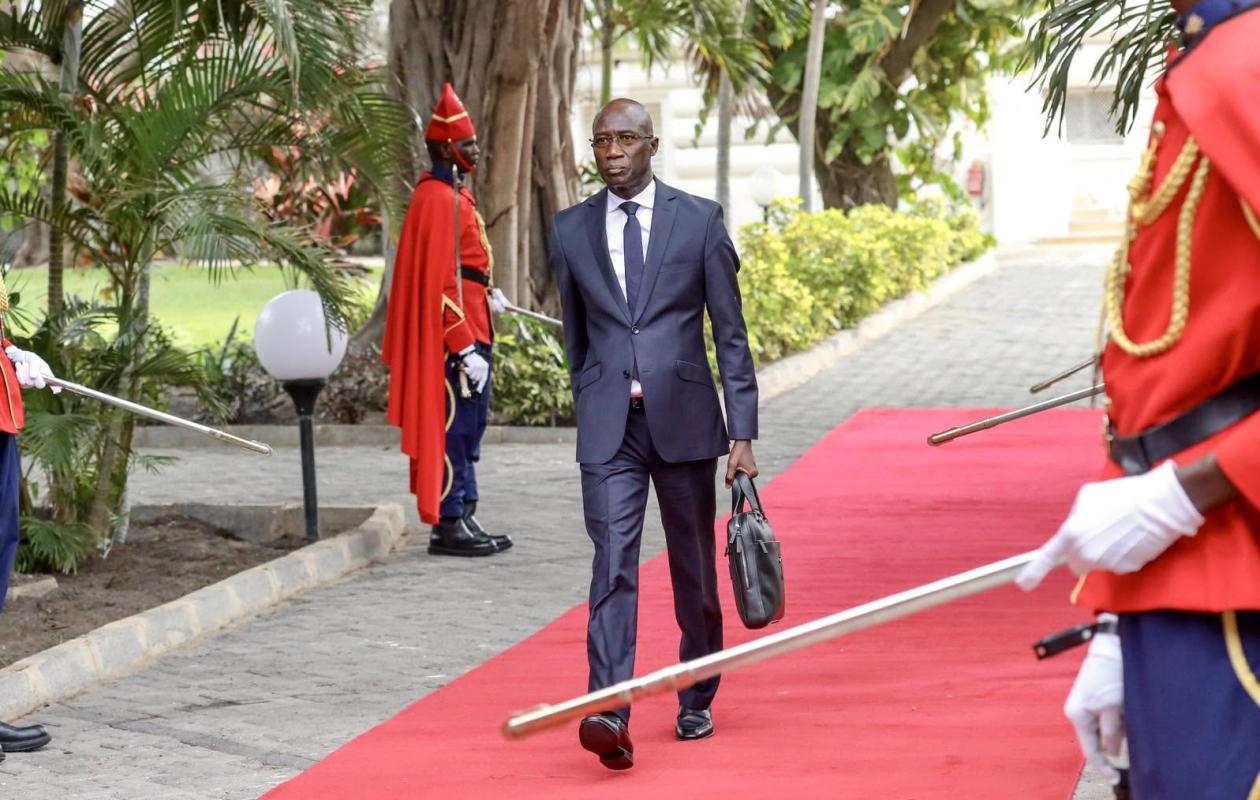
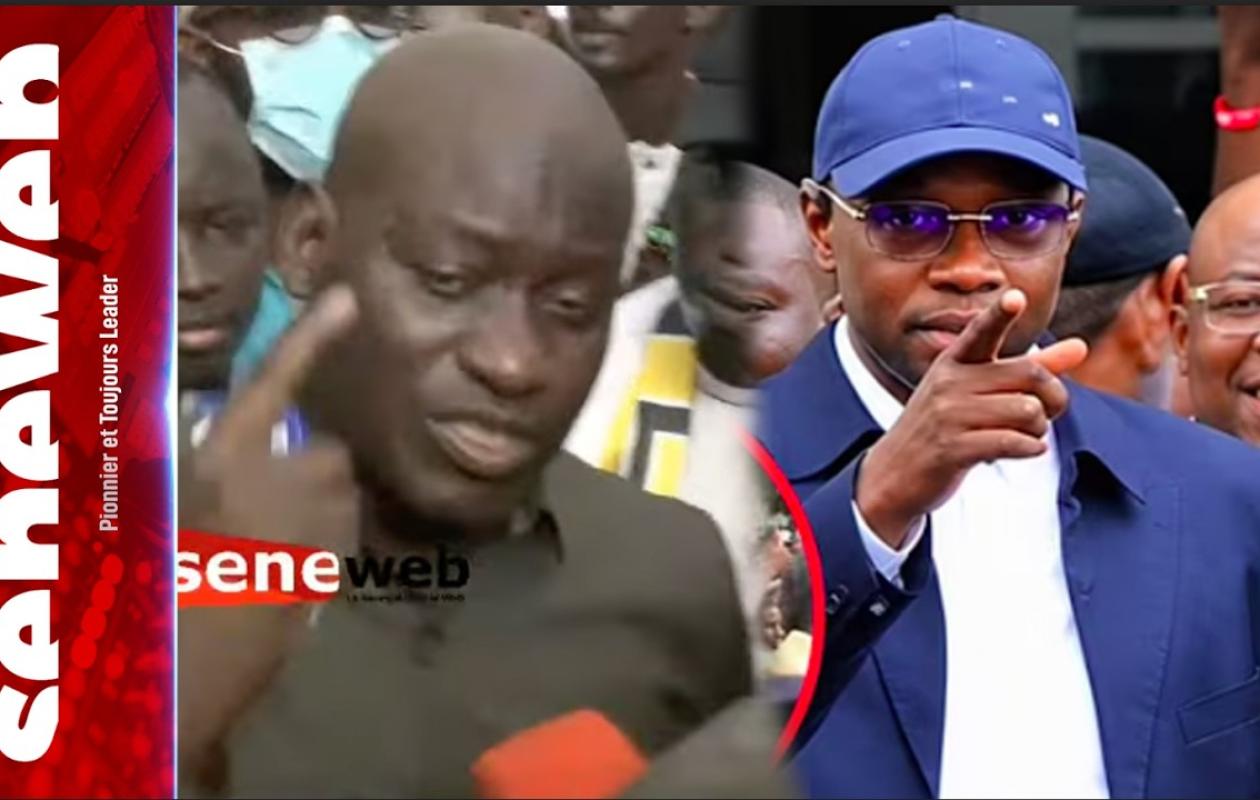
The repayment schedule thus links external negotiations to the balance sheets of regional banks and outstanding invoices from businesses. Cheikh Diba, Ahmadou Alhaminou Mohamed Lo, and Ousmane Sonko have offered differing political interpretations of the proposed treatment, while the government communiqué outlines its announced scope. The IMF is requesting financing assurances before submitting its program to its board of directors. As of September 24, 2026, the key question is how extending maturities and reducing the average cost would affect each creditor's obligations, and what proportion of cash flow Senegal could actually generate.
Revised accounts in search of a debt treatment
The public finance review has changed the starting point for all discussions with lenders. In its report on the period from 2019 to March 31, 2024 , the Court of Auditors sets the central government debt at 18,558.91 billion FCFA at the end of 2023, representing 99.67% of GDP, compared to 13,854.25 billion FCFA in previous reports. It also raises the 2023 deficit to 12.30% of GDP, compared to the previously reported 4.90%. This discrepancy stems from commitments and transactions that were not adequately recorded, and not from a single loan contracted after the new authorities took office. The review has increased the stock of debt requiring refinancing while simultaneously undermining confidence in the previously published figures.
The statistical bulletin published in July 2026 estimates that, at the end of 2024, the public sector debt stood at 25,583 billion FCFA, representing 128.6% of GDP according to its scope and denominator. Of this, 23,667 billion FCFA was attributed to central government and 1,917 billion FCFA to the semi-public sector. The IMF, for its part, estimated public sector debt at 132% of GDP at the end of 2024. These figures reflect separate studies and calculation methods. A useful comparison is that of the components reported by each institution, particularly the treatment of arrears and the GDP assumptions, rather than substituting one ratio for the other.
The immediate pressure also stems from the repayment schedule. The 2026-2028 debt strategy , based on the end of 2024, projected a shorter average maturity for domestic liabilities than for external liabilities, at 3.2 years and 8.4 years respectively. The reduction of the deficit from 13.4% of GDP in 2024 to 6.4% in 2025 was achieved primarily through expenditure control, according to IMF staff. A smaller deficit reduces the new financing required each year, while existing loans continue to mature. The ministry justifies the PTDS (Tax-Free Development Strategy) by this burden and by the deterioration in access to international markets .
The 2026 draft budget projects 6,188.8 billion FCFA in budget revenues and 1,190.6 billion FCFA in interest and fees . The ratio between these two amounts is 19.2%, calculated based on forecasts presented by the Prime Minister's Office. This figure represents the interest expense relative to projected revenues, not the total repayments due in 2026. It is precisely the sum of interest, principal, and deficit financing that explains why managing only annual expenditures does not address the debt repayment schedule.
The composition of the outstanding debt is as important as its overall level. The 2024 debt bulletin indicates that multilateral creditors, bilateral lenders, holders of international bonds, and regional market investors do not hold securities with the same interest rates or maturities. A lower average rate on some development loans may coexist with high repayments on maturing bonds. The government must finance amounts due on the scheduled date, even when some of its older outstanding debt carries favorable terms. This heterogeneity explains why the PTDS focuses on the payment profile and requires specifying the debt categories that will contribute to the desired debt relief.
Political statements in response to the announced procedures
The founding communiqué of the PTDS ( Party of the Democratic Socialist Debt) calls for a sovereign initiative of "active management" and assigns to it the sustainable restoration of the debt profile, the reduction of its servicing, and its refinancing needs. Cheikh Diba, Minister of Economy, Finance, and Planning, subsequently dismissed the "classic restructuring" approach . He emphasizes that 25% of state revenue is allocated to interest payments , a figure presented in his public address and different from the ratio calculated based on the 2026 budget forecasts. The period and scope of this statement are not detailed in the APS (Algerian Press Service) report, so these two proportions cannot be considered identical.
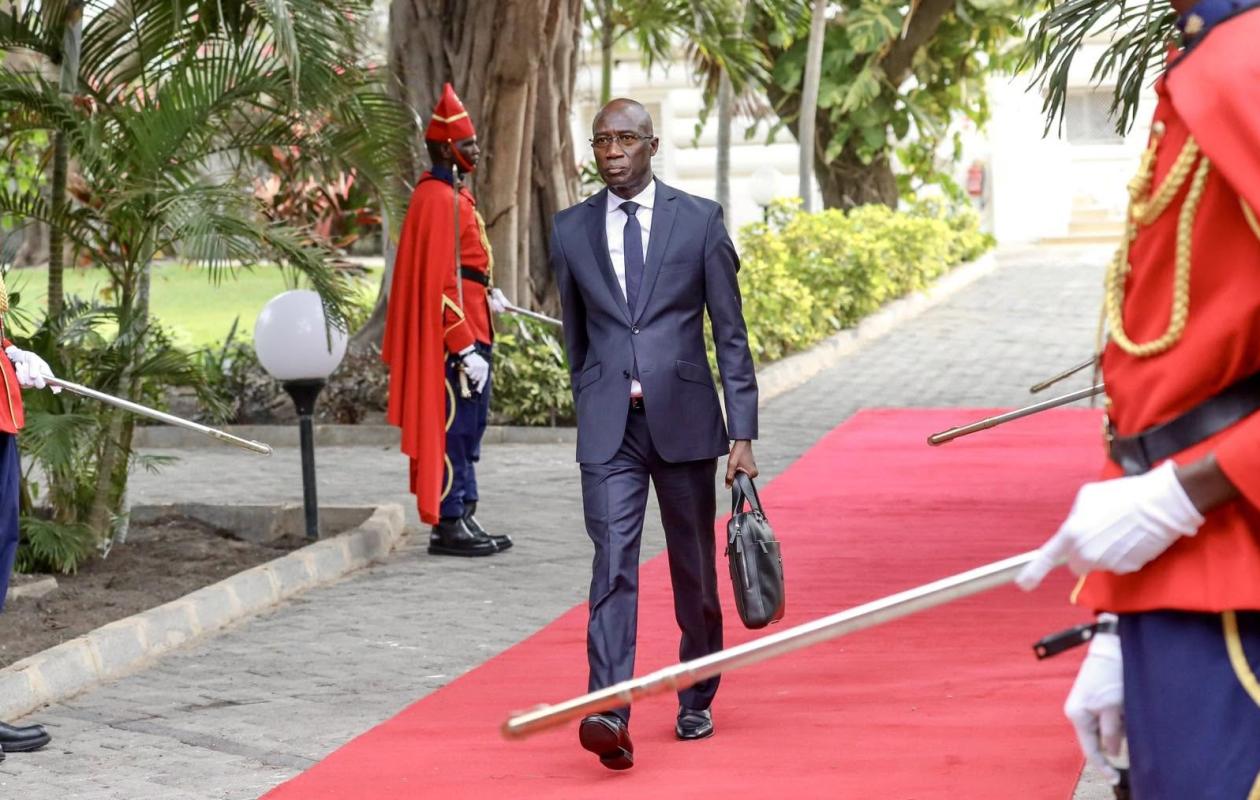
Before the National Assembly on September 8, Ahmadou Alhaminou Mohamed Lo announced a significant extension of maturities and a reduction in average costs . His aim was to bring the service level back to one compatible with the country's capacity and to protect the banks of the West African Monetary Union, which he said were all exposed to Senegal. Reuters also reported that he contrasted reprofiling with restructuring , defining the former as extending maturities and renegotiating interest rates. The Prime Minister thus framed his remarks both in terms of the technique employed and the political signal sent to creditors and depositors in the regional market.
The objectives set out by the ministry and the procedures announced to parliament involve the same components as the debt treatment operations examined in the IMF's work on sovereign debt restructuring . The scope excludes CFA franc-denominated securities, the government plans to discuss an improved version of the G20 Common Framework with its official partners, and it is seeking a reduction in external debt service. These decisions outline a negotiation on the country's commitments. Their impact on the value of the debt will depend on the maturities and interest rates stipulated in the agreements with lenders.
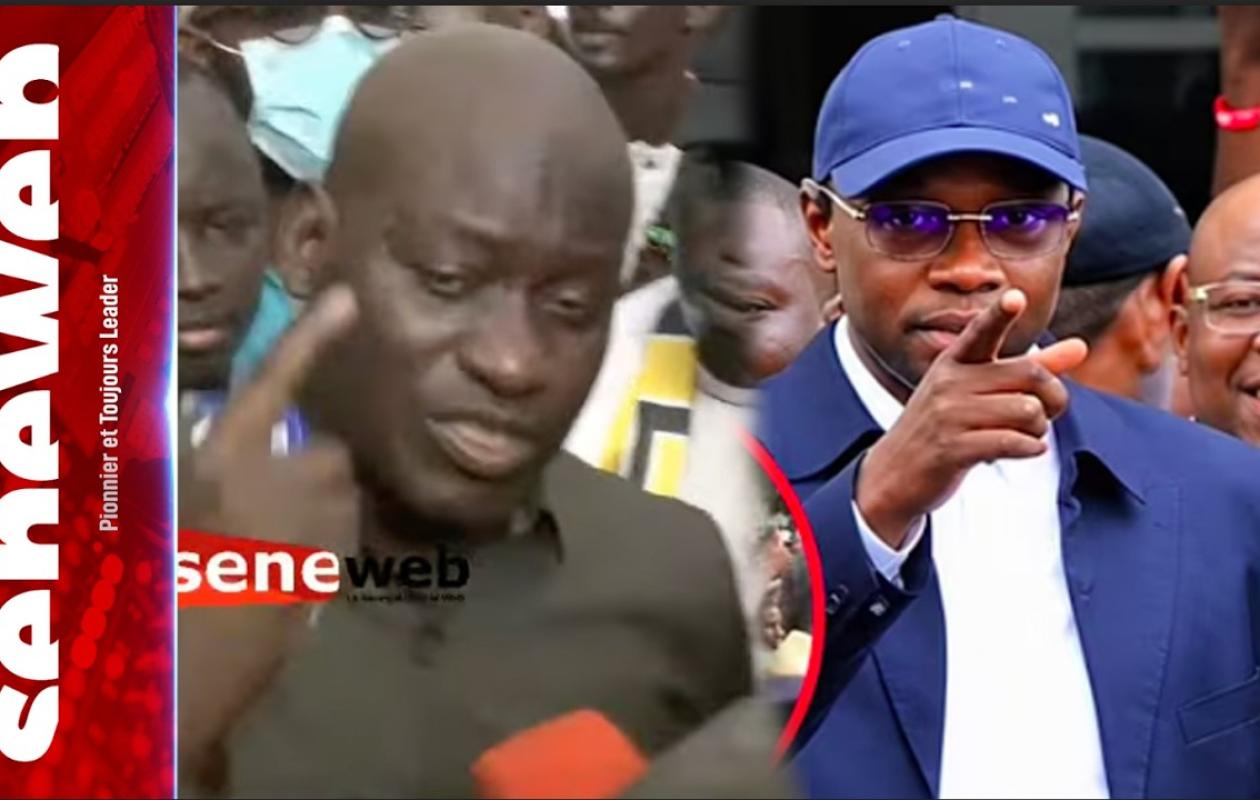
Ousmane Sonko's remarks place this debate within a longer political context. When he was head of government, he advocated for the payment of commitments and rejected restructuring. In mid-June, he softened his stance in an interview , acknowledging that the authorities needed to explore options with the IMF. Since his appointment as Speaker of the National Assembly in May, the budget debate has been conducted under his chairmanship. His change of tone highlights the political sensitivity of the word "restructuring" when the executive branch presents its choices to the members of parliament.
Reprofiling, rescheduling and restructuring in contracts
In financial practice, "reprofiling" primarily refers to extending maturities to shift concentrated repayments over a longer period. The IMF describes this technique as an option when a country experiences a temporary loss of market access and its debt remains sustainable with a credible program. Rescheduling also modifies the payment timetable. "Restructuring" more broadly encompasses exchanges or modifications of sovereign bonds occurring in a crisis situation, which can affect maturities, interest rates, principal, or currency. An IMF study on sovereign restructurings explicitly includes extending maturities among these modifications.
The financial value of a debt depends on the cash flows it generates and their timing. When the principal amount due remains the same but is repaid several years later, the creditor retains the same face value and waits longer to recover their money. A coupon sufficient to compensate for this delay can offset part of the effect of the postponement. If the coupon is lowered, or set below the market yield for the same risk, the present value of the cash flows decreases. The work of the IMF's independent evaluation specifically observes that extending maturities combined with lower coupons can reduce the present value of debt service.
Deferral can also ease the short-term budget while postponing a significant burden to subsequent years. A new bond might include a period without principal repayments, followed by more concentrated payments toward the end of its life. A gradual increase in the coupon rate would again alter the allocation of costs between the present and the future. The IMF's work on market operations examines these instruments because the amount of interest saved at the beginning of a program does not fully capture the treatment. To properly assess the PTDS, it will be necessary to track payments year by year and compare the present value of the old and new contracts with an explicit interest rate assumption.
The boundary therefore rests neither on the existence of a discount on the principal nor on the fact that the country has already ceased payments. As of June 25, 2026, the IMF indicated that Senegal was honoring its obligations . This situation makes preemptive negotiation possible, before default. It does not negate the potential effect of an exchange carried out under financing constraints. Conversely, a voluntary repurchase paid at the market price or an exchange offering a return comparable to that of the initial security falls under liability management, the cost of which for the investor is assessed differently. The rationale for the transaction and the payments promised after the exchange must be examined together.
The term "classic restructuring," dismissed by Cheikh Diba, refers to a type of treatment that the minister does not elaborate on in this statement. The Prime Minister's announcement of extended maturities and a reduction in average cost, however, describes the desired changes. Reprofiling can be a tool for restructuring when contracts are revised to ensure the sustainability of the service and reduce the value of the debt. The assessment will focus on each debt, considering the schedule, coupon rate, present value, and participation conditions, while the legal classification and the rating agencies' assessments will follow their own criteria.
Debt in CFA francs and external debt: where should the effort be focused?
The government announced that instruments denominated in CFA francs would remain outside the scope of the PTDS (Tax- Debt Settlement Plan). This currency criterion should be distinguished from the creditor's residence and the statistical category of "domestic debt." A foreign investor may hold a security issued on the regional market, and a lender domiciled in the Union may have exposure related to a foreign currency transaction. The announced policy scope therefore covers instruments according to their denomination, whereas the 2024 debt bulletin describes approximately 71% external debt and 29% domestic debt for the central government. The two breakdowns are not interchangeable.
The stated priority is ensuring continued financing within the WAEMU. Senegal raised 304.15 billion CFA francs between February 26 and March 26, 2026, in its first public offering, against a target of 200 billion, with interest rates ranging from 6.40% to 6.95% depending on the maturity. A second offering of 200 billion CFA francs was launched on September 17, following the announcement of the PTDS (Strategic Development Plan), with subscriptions open until October 8. The first amount represents the sum actually raised, while the second is a target issuance. Presenting them separately avoids misrepresenting the new offering as financing already secured.
Protecting the regional market addresses a banking exposure highlighted by the Prime Minister in his statement . Sovereign bonds are held in the portfolios of banks and other EU investors, meaning that any change in their cash flows would also affect their assets and their ability to finance the economy. Maintaining these instruments on their current terms preserves a source of subscriptions during the external treatment. However, this approach leaves the budget with their interest payments and maturities. The resulting cash flow will have to come from other asset classes, depending on their size and the concessions ultimately granted.
The statistical breakdown calls for a second caveat. Of the central government's debt at the end of 2024, the report puts multilateral creditors at 40% of the outstanding amount and international bonds at 19% . The former often lend on more favorable terms, and their treatment does not necessarily follow that of private investors. Excluding securities denominated in CFA francs and preserving concessional loans would reduce the debt burden that could generate the desired relief through the exchange of commercial contracts. The share ultimately requested from investors will depend on the terms granted by official lenders and the financing needs identified for the program.
This allocation is relevant to discussions on comparability among creditors. If government loans were to retain their terms and regional bonds were excluded, holders of international securities could demand transparency regarding each creditor's contribution before voting on an exchange. The Common Framework outlined by the Paris Club specifically calls for seeking comparable treatment from lenders not participating in the formal agreement. Comparability does not mean an identical reduction in principal for all, as maturities, interest rates, and contract values differ. It involves measuring the relief provided by each category based on consistent assumptions and then ensuring that the proposals are compatible with the overall needs of the program.
IMF, Common Framework and Bondholders: The Announced Negotiation
The agreement at the IMF staff level covers a 36-month Extended Credit Facility (ECF) of 1,537.1 million Special Drawing Rights (SDRs), or approximately $2.2 billion, representing 475 percent of Senegal's quota. It remains subject to approval by the Fund's management and Executive Board, corrective measures related to misrepresentations, and the receipt of financing assurances. The $2.2 billion figure thus represents the anticipated program volume, not a sum fully disbursed in September. Development partners could provide additional funds if the conditions of the agreement are met.
The financing assurances directly link the program to the debt operation. The IMF must be able to assess whether the expected resources and creditor commitments cover the country's needs over the specified period. In its explanations on sovereign debt , it distinguishes between situations where the debt remains sustainable with financial support and those where a deeper operation is necessary to restore its viability. The calculation is based on projections of growth, revenue, expenditure, and service levels, as well as the risks associated with these projections. The communiqué of September 1st announces the sustainability objective, but the parameters of the debt exchange will be crucial in determining the contribution required from creditors.
Dakar has informed its official partners of its intention to use an enhanced version of the G20 Common Framework , with early information sharing and parallel consultations. The Common Framework, as described by the Paris Club, organizes cooperation among bilateral creditors and requires debtor countries to obtain comparable treatment from other lenders, particularly private ones. Senegal's announcement outlines a method and a desired timeline. Its implementation will depend on the commitments obtained from official creditors and how bondholders are involved in the discussions. The comparability rules may also influence the distribution of the burden among different categories of lenders.
Holders of international bonds organized themselves quickly. Reuters reported on September 9 that at least eight fund managers had chosen White & Case to advise them. On September 11, Sergei Strigo, head of emerging market debt at Amundi, considered bond prices inconsistent with the potential magnitude of the adjustment . This reflects an investor's assessment, while the formation of a creditor group demonstrates preparation for negotiations. Both reveal the expectations and interests of bondholders, who will seek to compare the value of the new securities with that of their current liabilities.
On September 4, S&P Global Ratings downgraded the foreign currency rating to CC and the local currency rating to CCC . The agency considers a difficult exchange or a default on foreign currency trade commitments extremely likely, and anticipates that bondholders could receive less than initially promised. This opinion, from a rating agency, predates the publication of the terms of exchange. It also notes an asymmetry between foreign currency and local currency debt, consistent with the scope announced by the government. The rating could change as payments and agreements are finalized, but the downgrade is already impacting investors' risk perception.
Bond prices provide another benchmark, albeit with limitations. Reuters reported on September 11 that some Senegalese bonds were trading at around half their face value in dollars or euros, depending on the specific bond. Such a price reflects investor expectations, the risk of default, market rates, and the liquidity of each issue. It does not automatically correspond to the reduction the government might propose on the principal. Sergei Strigo rightly believed that these prices could undervalue the necessary concessions. Prices thus indicate the state of expectations and the difficulty of a rapid return to the market, while the outcome for creditors will be determined by new contractual cash flows.
Commitments that go beyond direct interaction with bondholders
The monetary frontier of the PTDS encounters a more complex case with so-called total return swaps. In a statement dated March 24, 2026 , the ministry confirmed seven transactions carried out between April and November 2025 on the regional government securities market, designed to attract foreign investors, and indicated a net cost of approximately 7.1%. These arrangements combine financing through local currency securities with mechanisms for accessing foreign exchange. The Financial Times identified international banking counterparties and described contractual clauses that could be triggered following rating downgrades. The classification of each commitment will depend on the wording of the contract and the allocation of exchange rate and repayment risks.
This category illustrates why excluding a security denominated in CFA francs does not automatically resolve the fate of all commitments associated with its financing. A claim on the State, a guarantee, and an obligation arising from a derivative contract can have distinct maturity dates. The Ministry states that the funds raised through the 2025 operations were used for this year's financing plan. The PTDS analysis will therefore need to compare the securities issued, counterparty obligations, and foreign exchange flows to determine which maturities remain due even if the regional security itself retains its terms.
Senegalese suppliers represent another category of creditors. In his statement of September 8 , Ahmadou Alhaminou Mohamed Lo estimated payment arrears at 1,956 billion FCFA as of the end of March 2025 and announced their settlement through cash payments, factoring, securitization, tax compensation, or rescheduling. He specified that regular cases represent 49.5% of the total, totaling 2,406 cases. This backlog, established prior to the PTDS (National Development Plan), constitutes an economic obligation for the State and a cash flow constraint for businesses. Its announced clearance will depend on the resources actually released and the verifications necessary to identify the outstanding debts.
The different settlement methods have varying effects on these businesses. A cash payment settles an invoice and immediately replenishes the supplier's cash flow. Factoring allows the debt to be transferred to obtain cash sooner, for a fee. Tax offsetting reduces a debt owed to the government, while securitization or rescheduling changes the date or form of the payment to be received. The Prime Minister's statement outlines these options without conflating them with payments already made. The choice of these methods will determine the extent to which the easing of external service requirements translates into cash inflows for businesses and less pressure on their working capital.
The government's desired reduction in external service could free up resources for these payments, but the IMF program also links its support to revenue mobilization, expenditure control, and the protection of vulnerable households . The Prime Minister plans to reduce energy subsidies to below 1% of GDP per year by 2029. The budgetary benefits of the PTDS will therefore be assessed based on the pace of disbursements, supplier payments, and budget execution, taking into account the additional burden placed on users and taxpayers.
The scope of the PTDS in relation to the commitments that will be modified
The PTDS (Tax Support Program) is engaging in external negotiations aimed at extending maturities and reducing average costs, while the state continues its CFA franc bond issuances and seeks a program with the IMF. Cheikh Diba rejects a traditional restructuring, and Ahmadou Alhaminou Mohamed Lo describes reprofiling as the preferred form of treatment. The IMF's work on sovereign debt restructuring includes extending maturities among the possible contract modifications. The two terms used in the debate thus refer to distinct dimensions of the operation: its technical aspects and its financial scope, which will be assessed based on the agreements reached with the creditors.
The economic scope will be determined by the terms of the contracts, the new maturities, the coupons, the principal payments, and the participation of creditors. Excluding the CFA franc instruments from the plan protects regional financing while focusing debt relief efforts on the included commitments. The agreement in principle with the IMF staff and the CC rating assigned by S&P to the foreign currency debt place this effort under significant constraints regarding viability and credibility. If the new securities reduce the value of the payments initially promised, the reprofiling will take the economic form of a preemptive restructuring. The announced terms will be assessed based on the contracts actually signed and the measured budget savings, rather than on the timeframe used in the official communication.












Commentaires (3)
Le football turc est touché depuis un an par un immense scandale qui implique les dirigeants des grands clubs du championnat.
Participer à la Discussion
Règles de la communauté
💡 Astuce : Utilisez des emojis depuis votre téléphone ou le module emoji ci-dessous. Cliquez sur GIF pour ajouter un GIF animé. Collez un lien X/Twitter, TikTok ou Instagram pour l'afficher automatiquement.
Se connecter
Commentez avec votre profil, votre photo, et soyez averti des réponses.