Entre business à 50 francs, risques de contamination et loi plastique ignorée : La vérité sur l'enfer des eaux en sachet
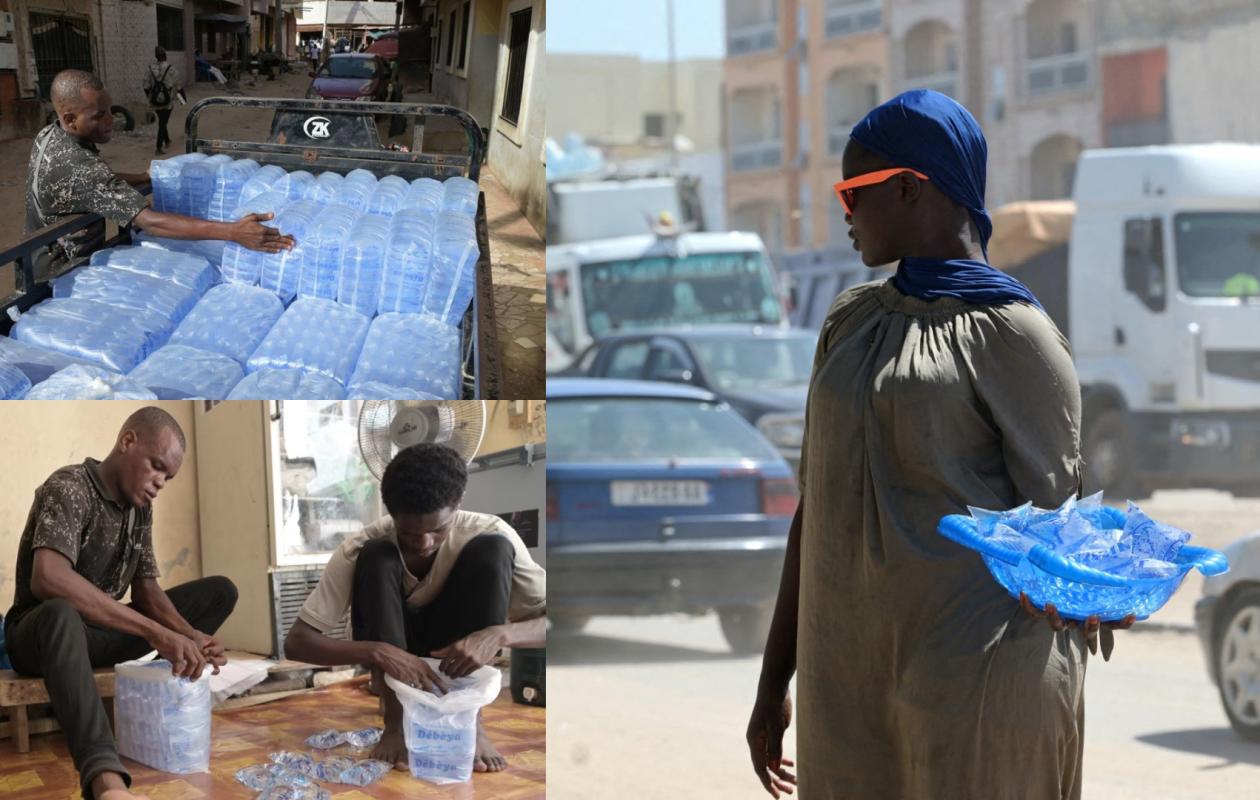
In Dakar, all it takes is sweltering heat and 50 CFA francs to see the same gesture: bite into a water sachet and continue on your way. From Sandaga to the production facilities, this small package is a part of daily life for thousands of Senegalese. But its massive consumption is now raising questions about its safety, its environmental impact, and the future of an industry that has become indispensable. Seneweb investigated this social phenomenon, which could turn into a public health problem and an environmental time bomb…
Near the Sandaga market, women, buckets of fresh water at their feet, sell sachets of water. Lined up on the sidewalk in this Plateau neighborhood, a hub of Dakar's commerce, about ten street vendors offer the precious liquid from makeshift stalls. It's noon on Tuesday, July 15th, and the sun beats down on bodies dripping with sweat. A blue cooler regularly catches the eye. Inside, dozens of water sachets are submerged in ice. "Fifty francs!" calls the vendor, handing a sachet to a hurried customer. With an almost automatic gesture, he bites the corner of the plastic, takes a few sips, and continues on his way.
Further on, the shops are bustling with activity, customers crowd onto public transport, and car horns mingle with the calls of vendors. In this anthill where every minute counts, the sachet of water passes from hand to hand. Amadou Niang, a motorcycle driver in his twenties, his cap tilted forward, stops, hands over a coin, and takes back his sachet. Using his teeth, which have lost their whiteness, the young man takes a few sips and then continues on his way.
In Sandaga, as in many neighborhoods of Dakar, water sachets are a common sight. For the vendors, it's a small business, but an essential one. Set up right on the sidewalk, women watch over their buckets filled with ice-cold sachets. They call out to customers while keeping an eye on their merchandise. "When it's hot, people buy a lot. Some prefer this because a bottle costs more," explains Saly Fall, a vendor. At 50 CFA francs each, the sachet meets an economic need. In markets, bus stations, or along major roads, it allows many Senegalese to quench their thirst quickly without spending too much.
Consumers are poorly informed about the danger
From producers to distributors, including street vendors, several thousand people depend directly or indirectly on this activity for their livelihood. But this now commonplace consumption is raising new questions. For a long time, few consumers questioned the origin or production conditions of this water. The sachet is bought, opened, and consumed in seconds.
However, a recent study by researchers at Cheikh Anta Diop University of Dakar (UCAD) has brought the issue of food safety back to the forefront of the debate. This has raised concerns among consumers and reignited questions about the production, storage, and control conditions within this sector.
In Sandaga, as in other Dakar streets, sachets of water continue to be sold from coolers. Is sachet water, sold for 50 francs, still synonymous with freshness and safety? "We've heard about it, but we haven't seen any customers complain yet," says Marième Seck, who leaves Pikine every day for her business.
The conclusions of the UCAD study
Long perceived as an accessible and safe product, the water sachet is now at the heart of a health controversy. A study conducted by researchers at Cheikh Anta Diop University in Dakar reveals a high proportion of samples showing signs of microbiological contamination.
Presented on June 23rd at the Scientific Day on Food Safety, this study examined 100 samples of sachet water from approximately fifty brands sold in Dakar and Mbour. The results are concerning. According to researchers from the Laboratory of Applied Microbiology and Industrial Engineering at the Higher Polytechnic School (ESP) of UCAD, 82% of the analyzed samples did not meet microbiological drinking water standards.
The analyses focused in particular on indicators of bacterial contamination, including fecal coliforms and fecal streptococci, which allow for the assessment of the possible presence of fecal pollution. The study also indicates that 80% of the samples showed contamination at 37°C and 84% at 22°C for total mesophilic aerobic flora (TMAF), parameters used to assess the overall microbiological quality of the water.
Conversely, only 4% of the sachets analyzed were considered compliant with health standards, while the others presented varying degrees of non-compliance. According to the study's authors, these results reflect "poor hygiene in the processing" and constitute "a health risk" for populations who consume this water daily. The researchers recommend, in particular, strengthening controls on the sale of water packaged in sachets, as well as better informing consumers about the potential risks.
This study also raises the question of the various stages that separate production from the moment of consumption. Can water that meets standards at the end of treatment be contaminated during packaging, transport, or storage?
Hydrologist Adrien Coly calls for caution and points to the risks of contamination after treatment
The results of the Cheikh Anta Diop University study on the microbiological quality of sachet water sold in Dakar and Mbour raise questions. But for hydrologist Adrien Coly, a lecturer and researcher at Gaston Berger University in Saint-Louis, this data must be analyzed with caution.
Without questioning the researchers' work, he believes the sample size warrants further investigation. "Sixty water sachets is relatively small," he explains (the study also mentions 100 samples). Mr. Coly encourages continued analysis to better understand the true extent of the problem. For him, the crucial question isn't necessarily the quality of the water leaving the treatment plants, but rather what happens afterward.
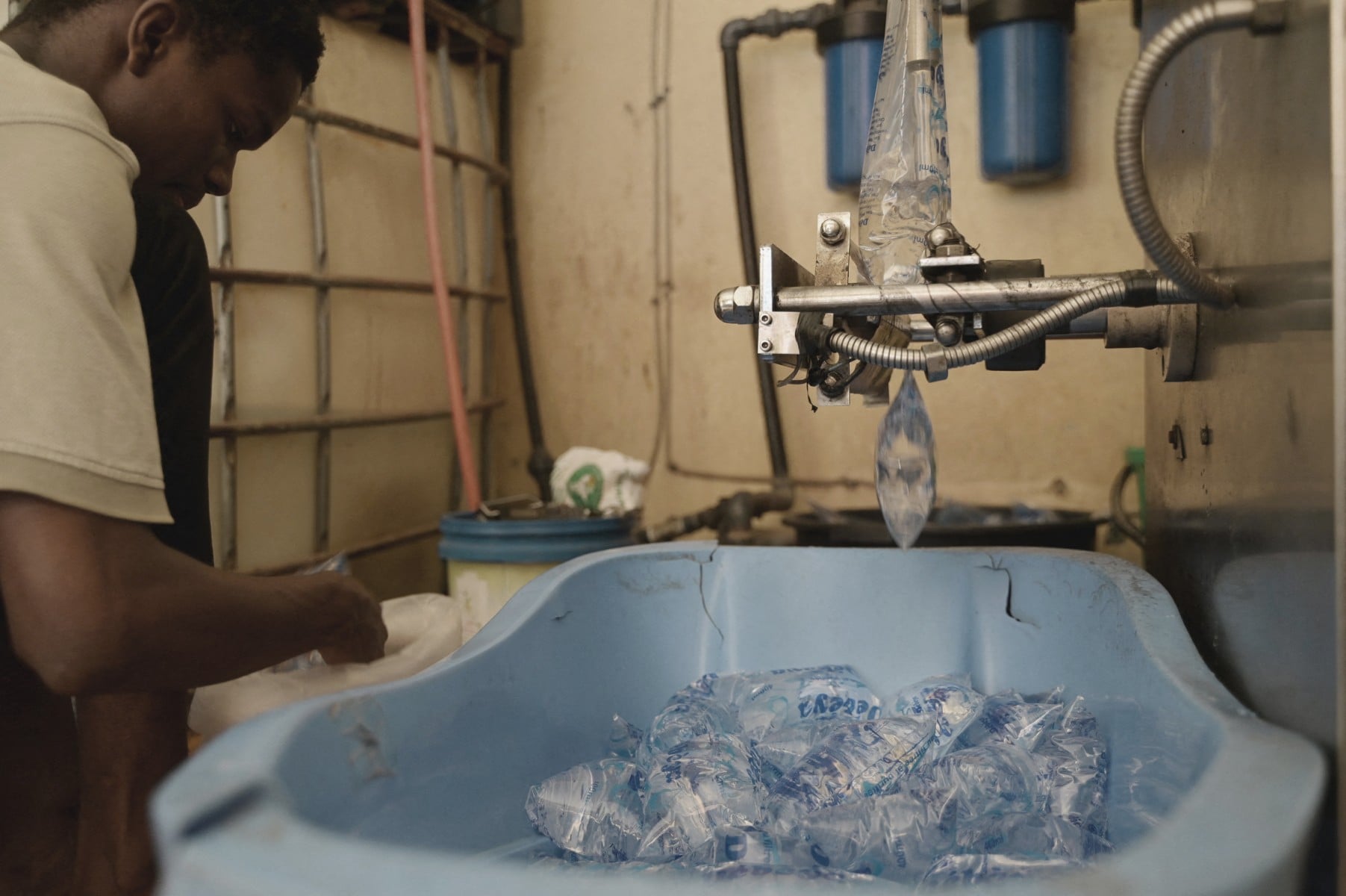
The hydrologist suggests the possibility of contamination linked to handling within the packaging line. "It might simply be contamination related to the handling of the sachets in the system, in this small-scale operation," he believes. According to him, the quality of water produced by the major operators in the sector generally meets health requirements. He cites, in particular, the efforts made by SONES and Sen'Eau in monitoring the water distributed to the population. "Senegal meets drinking water standards," he affirms. The hydrologist points out that treatment plants have control laboratories to monitor water quality.
But this initial quality is not always enough to guarantee a safe product for the consumer. "This water can be degraded by ourselves during the pumping process," he warns. Storage conditions, the use of poorly maintained containers, or even certain handling practices can, according to him, promote contamination after treatment.
Private drilling in the crosshairs

Beyond production facilities, Adrien Coly also draws attention to another factor: private boreholes. "These boreholes are not monitored and can have these contamination problems," he emphasizes. According to the professor and researcher, some boreholes installed on residential properties can be exposed to sources of pollution, particularly when located near pits or soakaways. This situation could pose a health risk, especially in areas where groundwater resource management remains limited.
For Adrien Coly, the results of the UCAD study should primarily serve as a starting point for broader investigations. He calls for distinguishing between several elements: the quality of the water resource used, production conditions, storage practices, and distribution channels. Because, according to him, the question is not simply whether the water is good to begin with, but understanding at what point it can lose its quality before reaching the consumer.
The Collective of stakeholders in sachet water in Senegal defends the sector

Following a study by Cheikh Anta Diop University revealing high levels of microbiological non-compliance in several sachet water samples, industry stakeholders are taking a stand. The Collective of Sachet Water Stakeholders in Senegal (CAES) disputes the study's conclusions and points the finger at clandestine producers.
For Balla Diop, Secretary General of CAES, the presented results do not call into question the entire sector that supplies thousands of Senegalese people daily. "We denounce once again what you call a study. We do not consider it a study at our level," he asserts, believing that the work presented does not meet the requirements of in-depth scientific research. According to him, the communication surrounding these results has primarily contributed to creating anxiety among consumers. He points out that sachet water has been consumed for several years by a large part of the population and has played a role in providing access to low-cost packaged water. "These populations, who have been using these water sachets for over 20 years, were turning to this quality product," he maintains.
While the CAES rejects a complete overhaul of the sector, its leaders acknowledge the existence of a problem linked to clandestine units. "We are aware that there are units that can be described as clandestine and that do not meet hygiene standards or the administrative requirements for producing water in Senegal," admits Balla Diop. For the collective, these informal operators pose a threat to both consumers and companies that comply with regulations.
Mamadou Lamine Ndiaye, coordinator of CAES in Dakar, denounces in particular the practices of certain units that operate without authorization and under conditions far below required standards. "These producers even imitate well-known brands. If a consumer isn't careful, they can easily mistake a counterfeit for a recognized brand," he explains. According to him, the sector comprises approximately 700 legally established production units, in addition to clandestine operators whose numbers are difficult to quantify.
To combat these practices, the CAES (Coalition of Economic and Social Councils) is advocating for strengthened collaboration with state oversight bodies. Mamadou Lamine Ndiaye believes that trade inspectors should work more closely with industry professionals, who, in his view, possess a better understanding of the local context. "We know the players in the sector perfectly. We even have a map of production units across the entire country," he asserts. The group also wants stricter enforcement of sanctions against non-compliant establishments. According to its representatives, some sanctioned businesses resume operations just days after inspections.
In recent months, several operations have been carried out by the authorities. In Dakar and its suburbs, clandestine units were dismantled after inspections revealed the use of forged administrative permits. For the CAES (Coordination of Economic and Social Councils), the priority is therefore not to ban sachet water, but to clean up a sector that remains essential for many consumers.
A "So Beautiful" example of quality

In a sector shaken by health concerns, established producers are keen to demonstrate their commitment to safety. At Transversal, the company that has marketed the Si Belle brand since 2004, quality is presented as the primary argument for building trust. Within the factory premises, each stage of production is subject to particular scrutiny. From the arrival of the water to the packaging of the sachets, managers assure that numerous checks are carried out to guarantee product conformity. "Transversal was created in 2004. We have been present on the market for over twenty years. What has sustained us to this day is the quality of our product. Management has always made quality a priority," explains Mamadou Dia, Head of Quality, Hygiene, and Safety.
The company states that it uses only water distributed by Sen'Eau before applying additional treatments. "We take the water from Sen'Eau. Then, we dechlorinate it, followed by several filtration stages down to one micron," explains Mamadou Dia. At the plant, teams conduct daily physicochemical analyses to monitor several parameters: residual chlorine, pH, turbidity, and water hardness.
In addition to these internal controls, food safety procedures based on the HACCP system are in place. This method involves identifying potential risks at each stage of production in order to better manage them. For Transversal's management, manufacturing a water sachet is therefore not simply a matter of filling a plastic package. It relies on a series of control steps. The company also highlights certifications and analyses carried out by independent organizations. "Since 2019, we have been certified by the Senegalese Standardization Association," states Mamadou Dia.
According to Si Belle, microbiological analyses are regularly carried out internally and then confirmed by the Pasteur Institute in Dakar. This double verification, they explain, aims to guarantee the reliability of the results and prevent any health risks. The quality manager assures that the company has never experienced a major incident related to the safety of its water.
For Mamadou Dia, any contamination observed in the sector could also be linked to conditions after the product leaves the factory. "The few cases we encounter generally stem from storage conditions at retailers, not from the production process," he believes. Transportation, exposure to sunlight, handling by vendors, and storage conditions: these are all factors that, according to him, can influence the quality of the product before it reaches the consumer.
The company employs between 200 and 300 people depending on the time of year. For its managers, defending the quality of sachet water also means protecting an economic activity that provides a livelihood for many workers. While the industry is currently under pressure following the revelations of the UCAD study, legitimate producers want to establish a clear distinction between their practices and those of clandestine operations.
The limits of the application of the plastic law
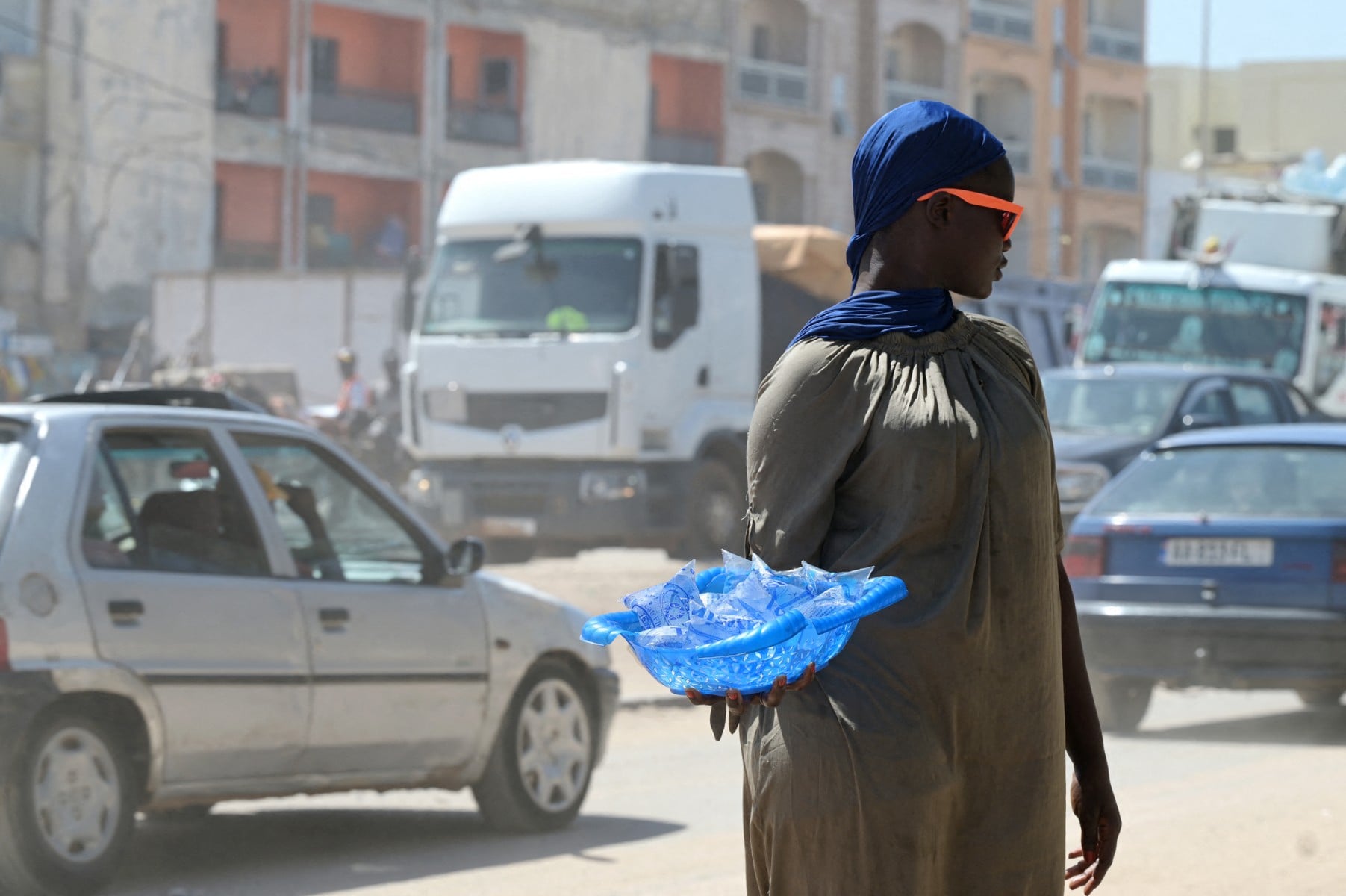
It's everywhere. In markets, on public transport, in the streets of Dakar, and in working-class neighborhoods. The water sachet is a part of daily life for Senegalese people, but it also leaves behind an environmental footprint that has become difficult to ignore. Adopted in 2020, Law No. 2020-04 concerning the prevention and reduction of the impact of plastic products on the environment prohibits "sachets intended and used to package water or any other beverage" for marketing purposes.
On paper, sachet water should no longer exist. In reality, it continues to be sold in massive quantities. Several years after the law was passed, its implementation remains limited. At the Ministry of the Environment and Ecological Transition, officials acknowledge several difficulties. Assane Diop, head of the pollution and nuisance prevention and control division at the Directorate of Environmental Regulations, specifically mentions the lack of implementing decrees for certain provisions of the law, the lack of accessible alternatives for consumers, and insufficient coordination between the agencies responsible for enforcement.
In addition, there are constraints in human and financial resources to ensure effective monitoring on the ground. The Covid-19 crisis also played a role in slowing down the implementation of the legislation. At the time of its entry into force, some leniency was granted to certain actors in the sector, a situation that has continued in practice.
Beyond the health concerns, water sachets pose a major waste management problem. According to Assane Diop, they contribute to visual pollution, degrade the living environment, and clog stormwater drainage systems, which can exacerbate flooding. Senegal produces approximately 350,000 tons of plastic waste annually, of which only 15% is recycled.
The exact proportion of water sachets in this mass remains difficult to determine, but their presence in streets, gutters, and landfills testifies to their impact on the urban environment. Authorities also highlight the consequences for wildlife. Discarded sachets can be ingested by certain animals and contribute to the mortality of species exposed to plastic waste.
For those involved in the industry, a sudden ban would be difficult to implement. Mamadou Dia, Quality, Hygiene, and Safety Manager at Transversal, believes that water sachets still meet a genuine need for a segment of the population. According to him, immediately replacing sachets with plastic bottles would not entirely resolve the environmental issue and could jeopardize a job-creating industry. He specifically cites the social risks associated with too rapid a transition in a sector that employs a large number of workers.
The Collective of Stakeholders in Sachet Water in Senegal (CAES) advocates for an approach based on collection and recycling. The collective states that it has invested in a platform in Diass equipped for grinding and processing plastic. It also proposes implementing an environmental tax on plastic film producers to sustainably finance waste management. The debate, therefore, goes beyond the simple issue of sachets. It poses a complex equation: how to protect the environment without jeopardizing access to affordable water for the population? Between ecological imperatives, public health concerns, and economic realities, Senegal is still searching for a path to a transition that leaves no one behind.






















Commentaires (20)
Participer à la Discussion
Règles de la communauté
💡 Astuce : Utilisez des emojis depuis votre téléphone ou le module emoji ci-dessous. Cliquez sur GIF pour ajouter un GIF animé. Collez un lien X/Twitter, TikTok ou Instagram pour l'afficher automatiquement.
Se connecter
Commentez avec votre profil, votre photo, et soyez averti des réponses.