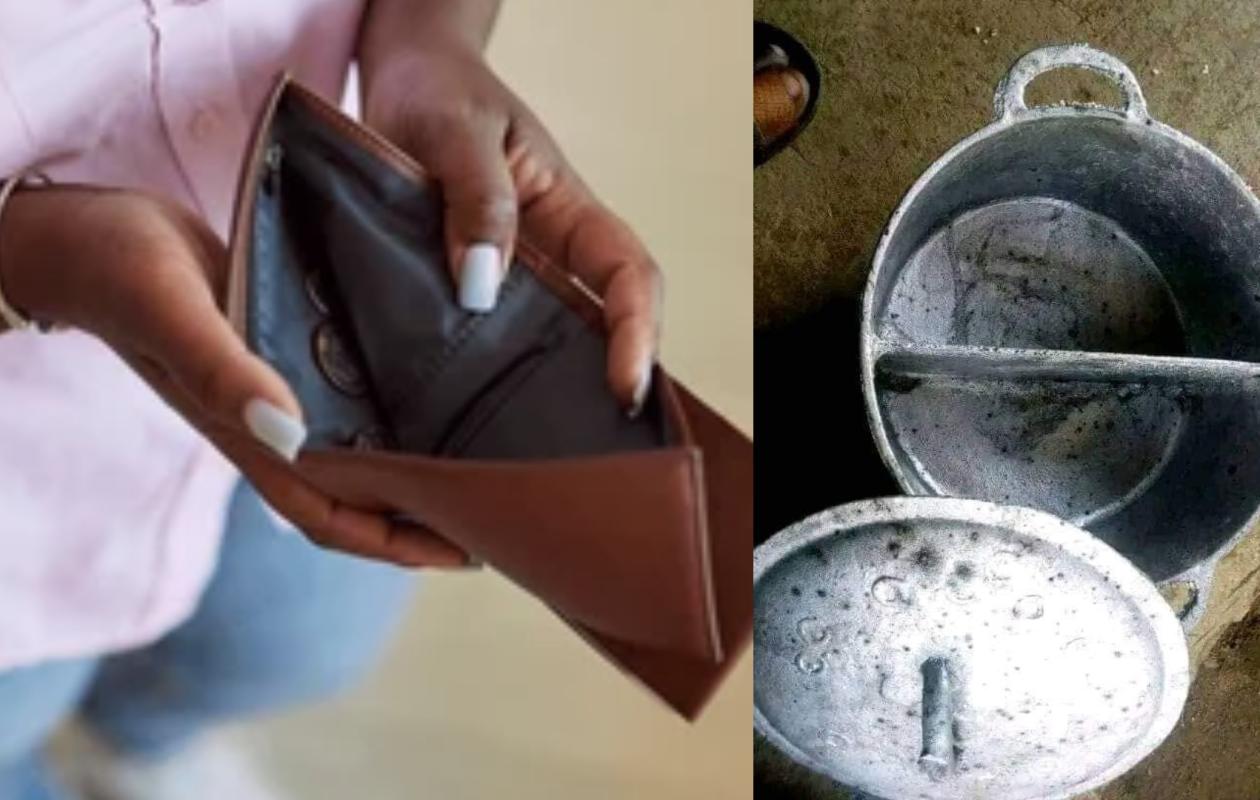
Suppression du Dîner dans les foyers : économiste et sociologue décryptent les causes et conséquences du mal
At Pa Sidibé's house, dinner has disappeared from family habits. At Soda Ndiaye's, every meal has become an exercise in compromise. And around Ndeye Fama Diouf's basins of "fondé" (a type of cassava flour), there's a daily rush of customers looking for enough to feed an entire family at a lower cost. Different situations, but the same reality: when income dwindles, food becomes one of the first things to be cut. Behind these personal stories lies a broader reality: that of households forced to rethink their spending in the face of the rising cost of living. But when these compromises involve food, their effects don't stop at what's on the plate. They also call into question the families' economic balance, their habits, and, beyond that, the bonds that unite their members.
Household purchasing power under pressure
According to economist Meissa Babou, the disappearance of dinner in some households is part of a broader context of pressure on household spending. Between rent, school fees, and food expenses, families now have to make numerous choices.
"The new socio-economic configuration of Senegal does indeed reveal enormous difficulties. Faced with rental costs and the enormity of school expenses, food becomes one of the most complicated items to cover," he analyzes.
Faced with these constraints, households are trying to adapt their consumption levels to their incomes. According to the economist, this situation is resulting in the gradual disappearance of dinner in some homes.
“Our compatriots are trying to adapt, to adapt their purchasing power to food expenses. In many households, dinner is no longer provided by the head of the family. Adults sometimes have to fend for themselves to feed themselves,” explains Meissa Babou.
When family meals become too expensive
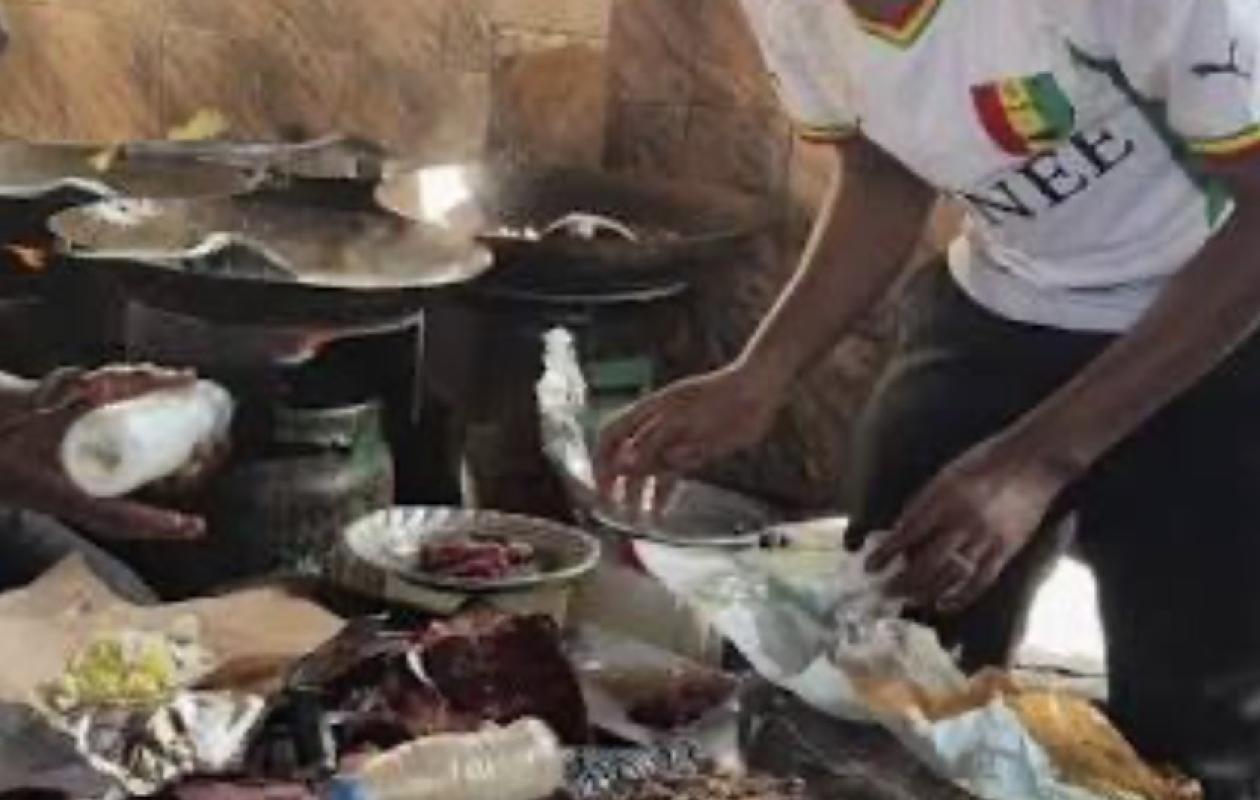
This adaptation is also reflected in new eating habits. For households that can no longer afford the cost of a home-cooked meal, local options are becoming an alternative. Small eateries and "home-style restaurants" are thus playing an increasingly important role in the daily lives of some families.
"To overcome these difficulties, we are turning to these new businesses, which are in fact home restaurants, cheap eateries, which offer foundation or, in any case, cheaper meals," the economist points out.
Behind these new practices, Meissa Babou sees above all a sign of severely weakened purchasing power. "We can indeed say that the purchasing power of Senegalese people is extremely shaken," he believes, going so far as to speak of "a disastrous economic situation."
This pressure eventually affects not only the content of meals but also their frequency. For the most vulnerable households, the question is no longer just what to eat, but sometimes how many meals they can still manage to provide each day.
Three meals a day, a balance that has become almost impossible
“Many families have no choice but to stop providing three meals a day,” says Meissa Babou. This situation forces some adults to fend for themselves to eat and further weakens the role of the head of the household in providing food for the family.
The economist places this reality within the broader issue of poverty, which he believes is directly linked to the ratio between household income and their expenditure.
"Absolute or relative poverty is measured in relation to purchasing power, therefore income, and in relation to family expenses," he reminds us.
In urban areas, particularly in Dakar, households must contend with three major expenses: housing, education, and food. But this economic equation is not simply a matter of numbers. It is also influenced by family support networks and the responsibilities borne by those who care for several relatives.
Family solidarity that can also weaken households
“We are also in a social consumer society. Senegalese people are so festive that we often tend to forget that we need to make reserves to avoid sinking into absolute poverty,” he observes.
The economist also mentions the weight of extended families, where a single income can sometimes be used to support many relatives.
"In each household, it is often one person who has to work to support the whole family, a family very often extended by about ten people," he explains, before summarizing this pressure with a formula: "By trying to help nine poor people, you risk becoming the tenth."
This economic vulnerability therefore doesn't stop at the family table. When a household struggles to cover its essential expenses, the consequences can gradually affect children and teenagers, and alter their daily lives.
Poverty, a risk that goes beyond food
For Meissa Babou, the consequences of this precarious situation can ultimately extend beyond the issue of food. He specifically warns of the risks to which children and adolescents from the most vulnerable households may be exposed.
"The risk in relation to this situation of poverty is enormous," he warns.
For underage boys, he specifically mentions the risk of ending up on the streets and being exposed to various forms of delinquency or exploitation. For girls, he also warns of the risks of dropping out of school, vulnerability, and forms of sexual exploitation.
"The consequences could be fatal for members of such a family," the economist concluded.
Dinner, a rare moment of reunion
For sociologist Mame Aminata Diagne, the disappearance of dinner does not only affect eating habits. It also threatens an important moment in family life: the time when family members come together after a day's work.
“Dinner is one of the most anticipated moments in the family. In many homes, parents work all day and only have the night to reconnect with their children around the meal. It’s an opportunity to talk, spend time together and fill the void created during the day,” she explains.
When everyone eats on their own, interactions become less frequent.
However, when the evening meal disappears, this daily ritual disappears with it. In some families, each child now receives money to feed themselves. A practice which, according to the sociologist, can widen the gap between parents and children.
“The child eats, then goes to bed, without necessarily crossing paths with his parents who come home late. Parents can thus go several days without really seeing their children. Eating alone also does not promote familiarization with other family members and can accustom the child to a form of solitude,” emphasizes Mame Aminata Diagne.
An economic sacrifice with family consequences
The sociologist acknowledges that, in a context of high cost of living, skipping dinner may seem like a solution for some families. But behind this saving lies a less visible cost: that of communication and education within the home.
“Times are tough and, for some, sacrificing dinner remains an alternative. But this option is not without consequences. Mealtimes are a special time to communicate, discuss, and share with children, but also to guide and correct them. If this time disappears because of the current situation, a part of this family transmission risks being lost,” she warns.
But economic pressure isn't just measured by what families can still afford. It's also measured by what they lose when financial constraints ultimately alter their lifestyles. And among these losses, there is sometimes a moment as ordinary as it is essential: the shared meal.
When economic constraints lead families to reduce or eliminate certain meals, the issue is no longer limited to purchasing power or relationships within the household. It also directly affects what families put on their plates, the diversity of their diet, and the risks that may result.





















Commentaires (11)
pour avoir 3 repas il faut aller dans les baptêmes mariages ou décès
sinon la plupart des adultes font un semblant de ramadan Petit déjeuner et repas du soir et on saute le repas du midi
Participer à la Discussion
Règles de la communauté
💡 Astuce : Utilisez des emojis depuis votre téléphone ou le module emoji ci-dessous. Cliquez sur GIF pour ajouter un GIF animé. Collez un lien X/Twitter, TikTok ou Instagram pour l'afficher automatiquement.
Se connecter
Commentez avec votre profil, votre photo, et soyez averti des réponses.