Système de santé : Pourquoi l'annonce des 2 500 recrutements ne rassure qu'à moitié (1/3)
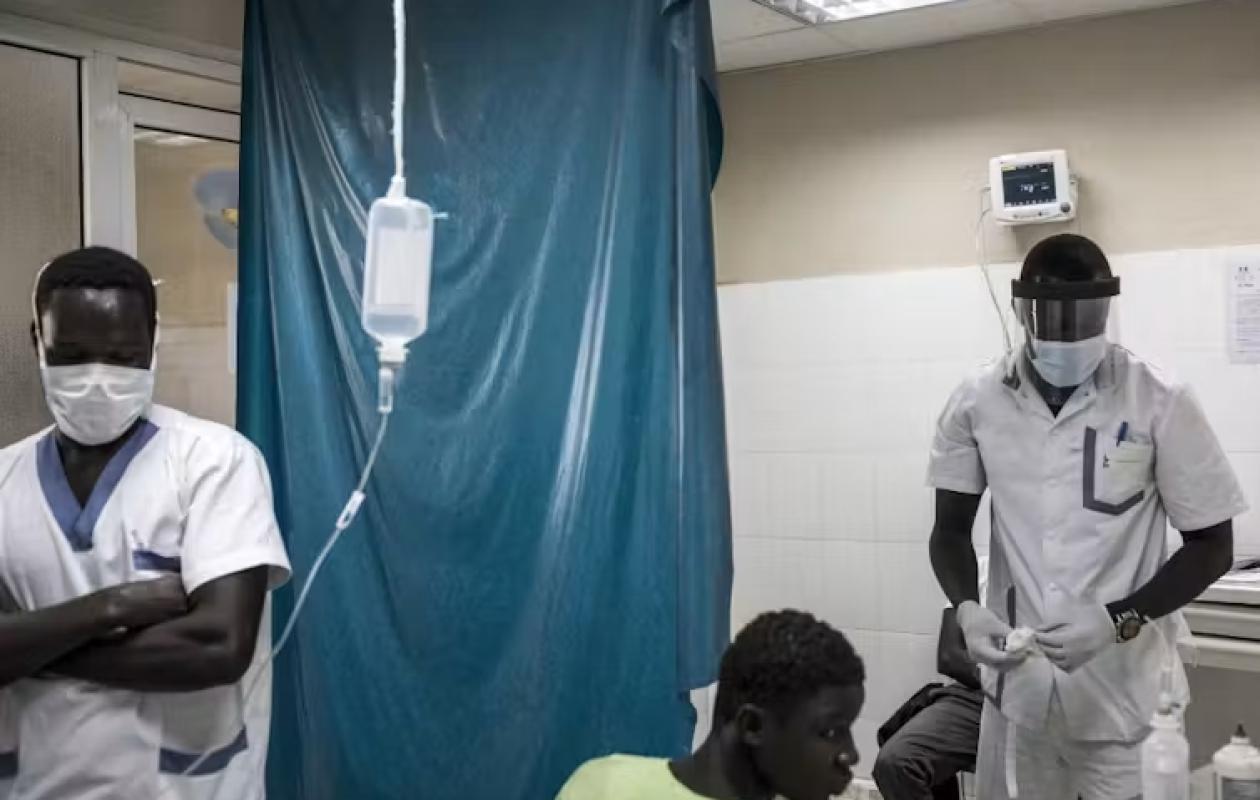
Hours spent on a bench before a consultation, an appointment obtained several days later: in healthcare facilities, waiting is a daily reality for many patients. The government's announcement on March 11th of the recruitment of 2,500 healthcare workers has therefore raised expectations, but also concerns. Because beyond the numbers, the staff shortage, its distribution, and working conditions remain central to the concerns.
"The lack of staff is directly felt in the patient's journey." For Dr. Cheikh Tidiane Athie, executive director of the NGO ACDEV Senegal, the issue is not limited to staffing levels alone.
In some areas of the country, he explains, patients travel between 15 and 30 kilometers for a simple consultation. Once inside the facility, the wait can be even longer, particularly in high-demand departments such as emergency, pediatrics, or prenatal care.
Dr. Athie believes that the 2,500 new hires can strengthen the most vulnerable structures, provided that the staff are assigned where the needs are greatest. "The impact will depend less on the number than on where these 2,500 people are assigned," he emphasizes.
A shortage estimated at 18,000 employees
For Dr. Mballo Dia Thiam, Secretary General of the Unified Union of Health and Social Action Workers (SUTSAS), the 2,500 announced positions must be put into perspective with the real needs of the sector.
According to him, planning documents indicate a shortage of 18,000 staff. This is compounded by population growth, the opening of new facilities, and the precarious situation of contract workers.
Within healthcare facilities, this situation translates into reduced staff and an overwhelming workload. For patients, this means longer appointment wait times and slower care. SUTSAS therefore believes that the announced recruitment figures fall far short of the needs.
Where will the 2,500 agents be assigned?
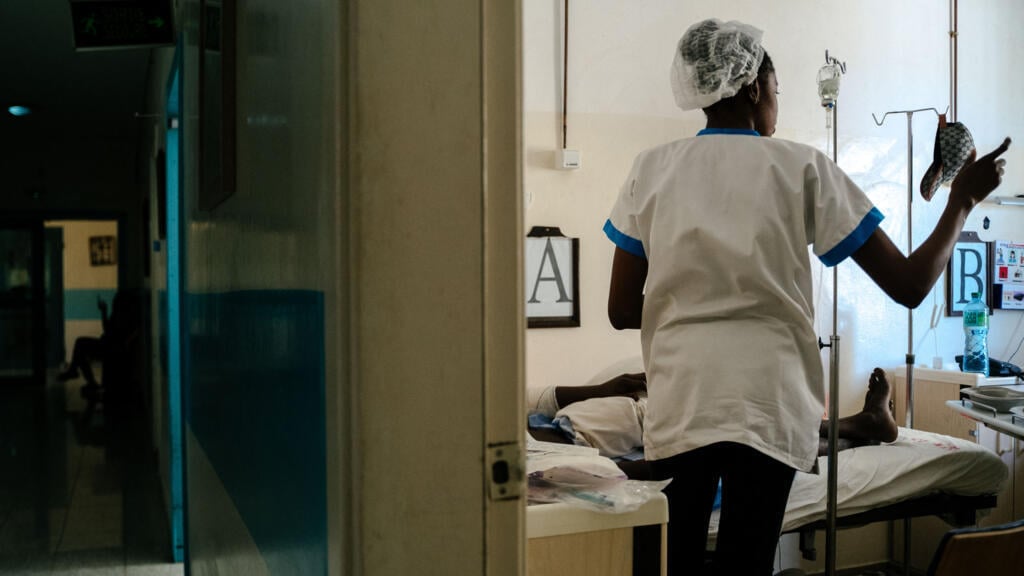
Beyond the sheer number of staff, their distribution will therefore be a determining factor. Strengthening a maternity ward, a day-care service, or a health center that is understaffed can have a direct beneficial effect on patients.
But recruitment alone will not be enough. The availability of equipment, medicines and supplies, as well as working conditions, also determine the proper functioning of healthcare facilities.
The "Patients in Danger" collective welcomes the announcement of the new hires and calls for their effective implementation. For its leaders, the main challenge will be ensuring that these staff members meet the priority needs of the facilities and tangibly improve patient care.
An expected implementation
Our team attempted to contact the Director of Human Resources at the Ministry of Health and Public Hygiene to inquire about the recruitment schedule, the allocation of staff, and the expected impact on patient wait times. Our attempts were unsuccessful.
On the ground, the effect of this measure will be observed in particular through the reduction of consultation waiting times, the effective availability of staff and the improvement of access to care in the different regions.





















Commentaires (1)
J’espère qu’ils vont recruter 2500 agents compétents avec les bonnes expériences médicales. Wasalam
Participer à la Discussion
Règles de la communauté
💡 Astuce : Utilisez des emojis depuis votre téléphone ou le module emoji ci-dessous. Cliquez sur GIF pour ajouter un GIF animé. Collez un lien X/Twitter, TikTok ou Instagram pour l'afficher automatiquement.
Se connecter
Commentez avec votre profil, votre photo, et soyez averti des réponses.