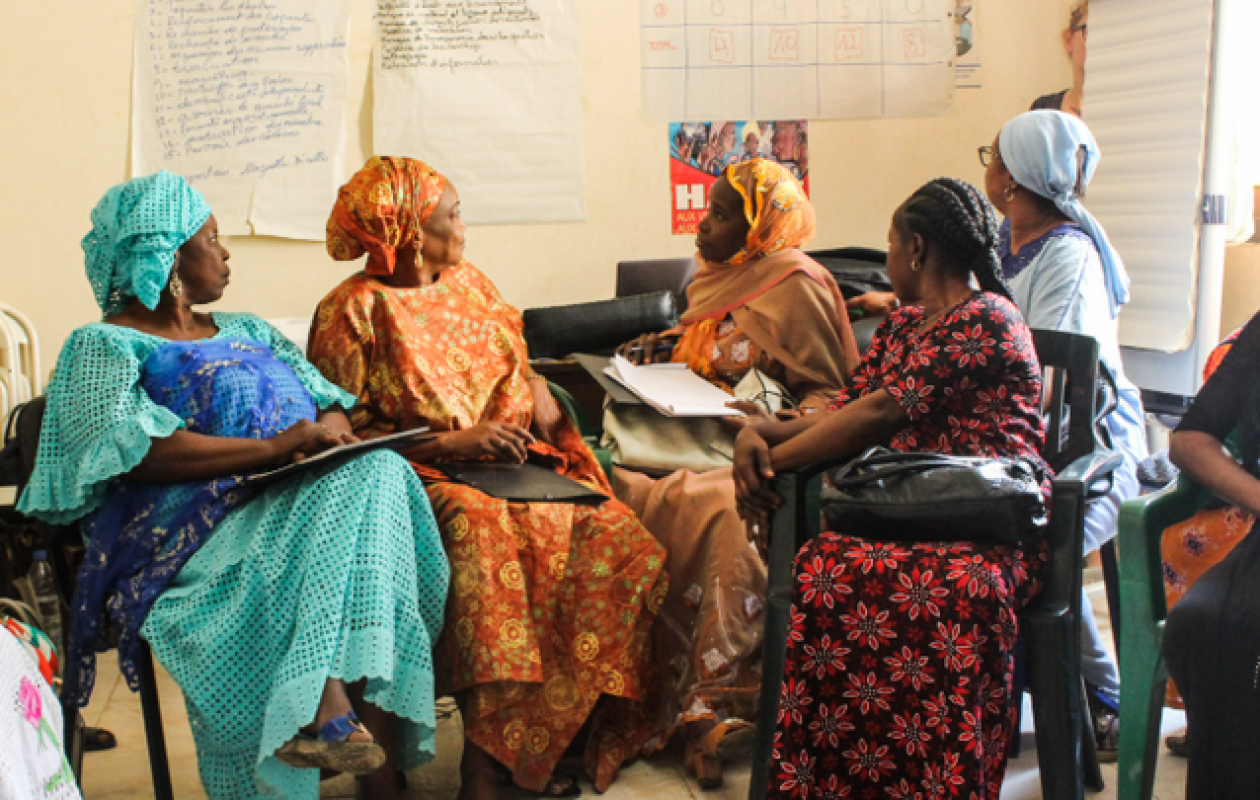
Formation doctorale : Les femmes toujours à la traîne au Sénégal
The Senegalese doctoral system faces several structural challenges, including insufficient funding, difficulties in supervision and the low representation of women in research pathways.
According to data presented by Professor Ndèye Marème Sougou, a public health lecturer at Cheikh Anta Diop University of Dakar (UCAD) and principal investigator of Pathfinder's PhD Model project, Senegal had approximately 6,000 enrolled doctoral students, only 33% of whom were women. The dropout rate was estimated at nearly 30%, a figure likely underestimated due to a lack of student follow-up beyond their fourth year.
These figures highlight the weaknesses of a system which, despite significant scientific potential, still struggles to guarantee doctoral students optimal conditions for training and research.
It was in this context that the Partnership for African Social Science and Governance Research (PASGR), with the support of the Andrew Carnegie Foundation, initiated a three-year research program in seven African countries, including Senegal. The objective was to analyze doctoral practices and procedures in order to identify the most effective training models and to propose ways to improve the quality of doctoral teaching and the success rate.
During the presentation of this initiative in Senegal yesterday, Professor Sougou drew attention to the shortcomings of the national system. "Senegal is among the countries that produce the most doctoral graduates. This is a real advantage that demonstrates our country's capacity in terms of scientific research. However, doctoral training still has many flaws, including thesis funding, supervision of doctoral students, and access to the resources that enable them to conduct research," she emphasized.
Funding, an obstacle to completing theses
Among the main difficulties identified is the issue of funding. Available grants do not sufficiently cover the expenses related to conducting research. This situation forces some doctoral students to use their own resources or seek additional funding to continue their studies.
According to the researcher, the solution lies in particular in increased financial commitment from African states. She therefore advocates for research to be more heavily funded by local resources, so that the knowledge produced meets the needs of the countries concerned.
"We would like research funding to be endogenous, to come from the countries, because the results remain in the countries and will be used by the countries," she argued.
Beyond funding, the quality of supervision is another major challenge. Senegal has 15 doctoral schools, but a significant proportion of first-year students fail to complete their thesis defense.
This situation is largely due to the workload of teaching and research staff, some of whom may supervise up to ten doctoral students simultaneously. Such a concentration of responsibilities can limit individual student support and slow the progress of their work.
Women are still underrepresented in doctoral studies
Gender inequalities are also a central concern. "Doctoral students have much more difficulty completing their thesis. They also have more difficulty accessing a doctorate. When they do succeed, they encounter more obstacles, particularly due to a lack of funding and an academic environment that is not sufficiently gender-sensitive," explains the researcher.
In terms of scientific production, Senegal recorded 499 thesis defenses in 2023, compared to 496 in 2022. This trend reflects a relative stability in the number of doctoral theses defended, but it is not enough to mask the difficulties related to the completion of the courses.


















Commentaires (9)
Contrairement aux medecins que ne perdent pas de temps dans les magouilles. Ce sont les seuls qui aident et qui aiment le Senegal. Tous les autres ne font que de la pédanterie.🔥
Prof Marèm Sougou
Bonne continuation 👍👍👍❤️❤️
Participer à la Discussion
Règles de la communauté
💡 Astuce : Utilisez des emojis depuis votre téléphone ou le module emoji ci-dessous. Cliquez sur GIF pour ajouter un GIF animé. Collez un lien X/Twitter, TikTok ou Instagram pour l'afficher automatiquement.
Se connecter
Commentez avec votre profil, votre photo, et soyez averti des réponses.