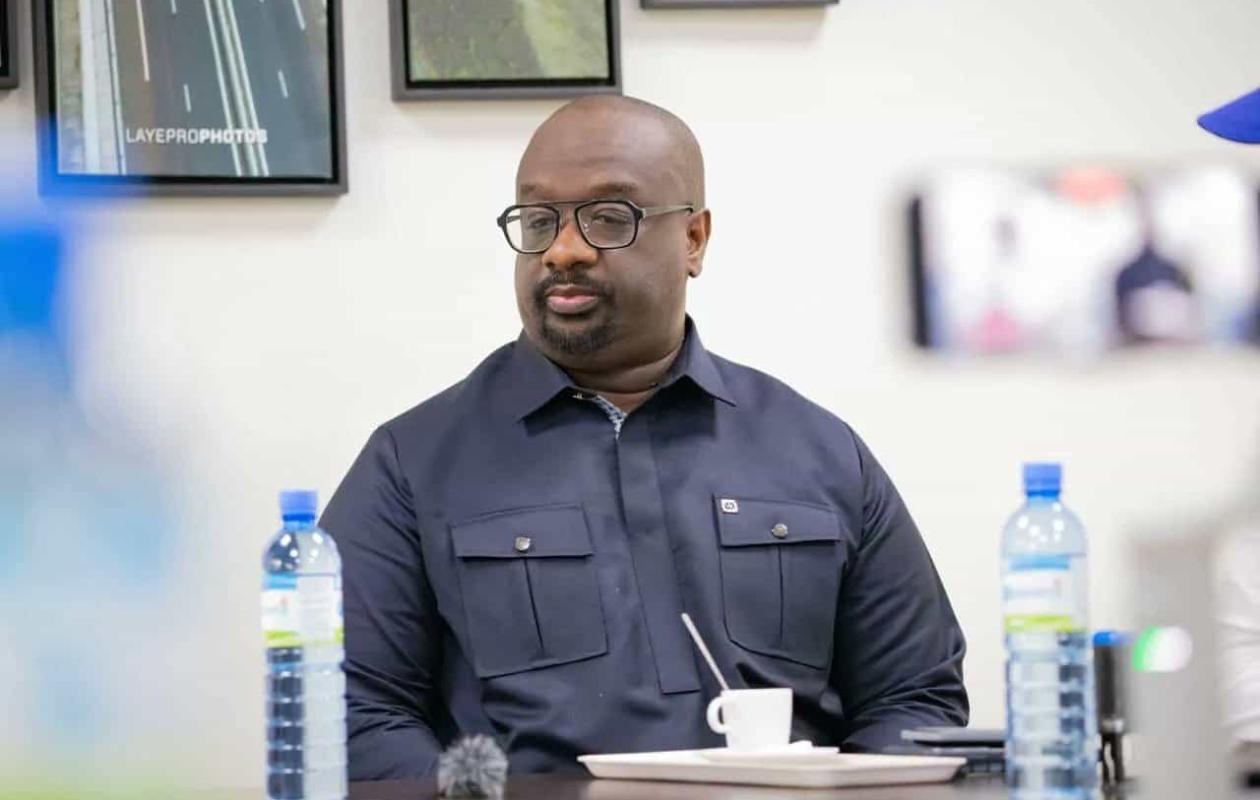
Entretien avec le président de la LSFP : Babacar Ndiaye dresse le bilan et fixe le cap du football professionnel
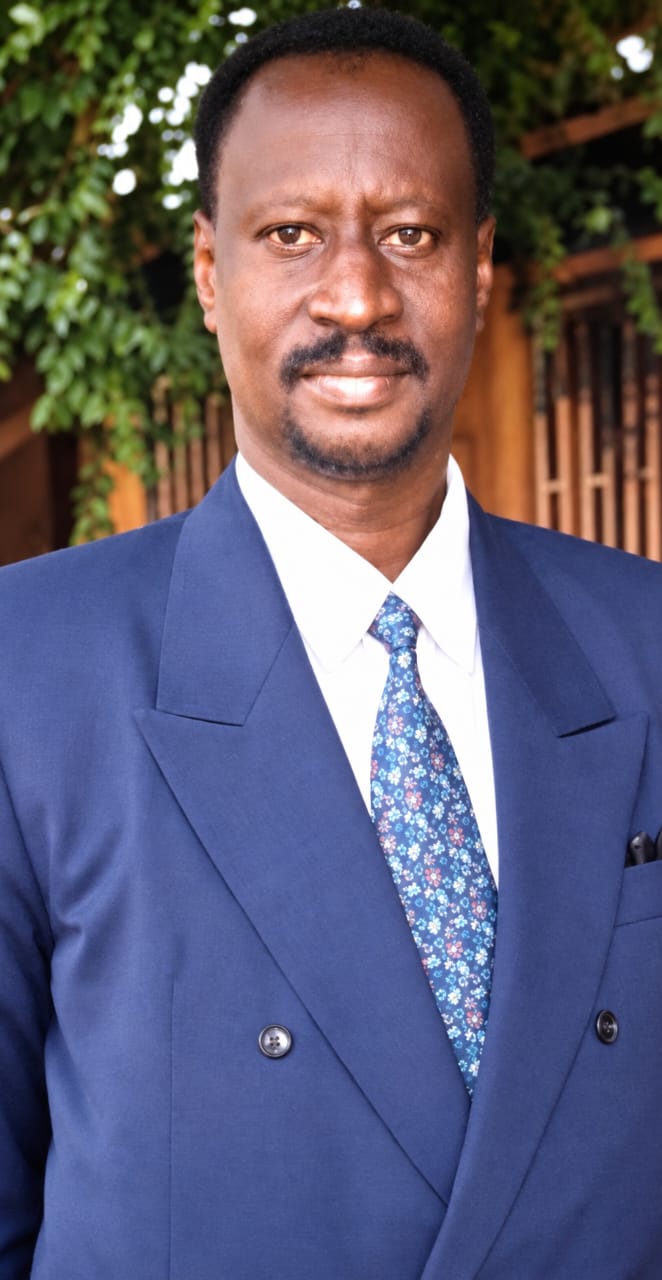
As the start of the Senegalese professional football championship approaches, Babacar Ndiaye, president of the Senegalese Professional Football League (LSFP), reviewed the major reforms implemented under his leadership and outlined the key priorities for the upcoming season. In this interview with Seneweb, conducted on the sidelines of his press conference, the president candidly addressed the financial, structural, and human challenges facing national football.
What is your assessment of your first year at the head of the Professional League?
Currently, the professional league has 32 teams. In our records, we have between 1,600 and 2,000 players with professional or trainee status in these 32 clubs. We also estimate that the sector generates between 3,000 and 5,000 direct jobs, including coaches, doctors, and all the staff who work with the teams, not counting the indirect jobs created around the stadiums.
In terms of digital subscriptions, the League generally exceeds five million users. I would also like to take this opportunity to thank all the partners who support us.
The professional league also contributes 50 to 60% of the national team rosters. We saw this during the U17 victory, with, if I'm not mistaken, nine or ten starters coming from Ligue 1. We see it again with the squad in Bamako, which includes ten to twelve Ligue 1 players. This testifies to the remarkable work done by Ligue 1 and Ligue 2 clubs. The structures were often criticized for lagging behind in youth development, but this gap is gradually being closed, to the great benefit of the Senegalese nation.
Our first priority was financial discipline. We reduced the cost of a season from 101 million FCFA to 60 million, a substantial saving of nearly 40 million FCFA. I thank the members of the Federation, the accounting and finance departments, the commissioners, the security forces, and all the cost centers who agreed to sit down and work together to reduce the institution's operating expenses. Despite this budget streamlining, we have strengthened the marketing team while simultaneously increasing our investments.
Secondly, we have invested heavily in human capital development and training for all stakeholders (administrative staff, managers, coaches, match commissioners, and medical personnel). We collaborated with the ADPME (Association of Professional Football Managers) to strengthen managerial skills and professional tools. Sessions focused on marketing, sports law via FIFA Legal, and the Clearing House system were delivered. We supported the 32 clubs by explaining the management of training compensation and how to use the TMS (Transfer Matching System).
Third point: digital innovation with the Senegal Ligue Pro app. Previously, when a team was playing on one pitch, it was sometimes difficult to follow the live scores on other pitches. Now, a dedicated young team instantly updates the results and statistical data. I warmly congratulate the League's digital team for their commitment.
We have also finalized our listing on Transfermarkt. In commodity markets like wheat or gold, there are benchmark prices. However, our Senegalese footballers did not benefit from this international visibility. Considerable work over three to four months has enabled the Senegalese league to be listed on Transfermarkt, making Senegal the first French-speaking country to achieve this recognition. Ligue 1 is thus valued at €24 million, and the inclusion of Ligue 2 is also confirmed or in the process of being finalized.
This listing offers our athletes an unprecedented platform. Previously, recruiters would ask us about the market value of our players. Now, clubs and athletes must work to maximize this asset. Simply posting short introductory videos is no longer enough; structured content must be produced.
Finally, we have begun digitizing administrative procedures, particularly match sheets and contracts, to eliminate contractual disputes regarding the duration of commitments. Ultimately, upon signing their contract, each player will receive a digital copy directly on their phone.
What other measures have been taken to improve the functioning of the League?
Professionalization requires material and methodological investments: acquisition of computer equipment, modernization of premises, formalization of work meetings and monitoring of key performance indicators (KPIs).
We have structured efficient operational units. For example, in the legal department, reports used to take two to five weeks to be published. Now, reports must reach the League by Monday at the latest. Clubs have Tuesday and Wednesday to submit their observations, and the reports must be published by Thursday or Friday at the latest. You can't claim to manage professional football while letting disciplinary decisions gather dust in drawers.
Similarly, match commissioners have been equipped with connected tablets. From the 90th minute onwards, they can transmit their report directly to the League without having to physically go to the match. We have also ensured uniformity for our officials by providing them with complete sets of professional polo shirts in the designated colors (green, white, yellow).
What are your ambitions for the new season?
Our top priority is to curb violence in stadiums while promoting the sporting spectacle. We want to bring professional football to the local level and make the game more accessible to the people. It's a source of pride to see regional derbies like SMA versus Casa Sports, or Jamono de Mbour versus Stade de Mbour. This demonstrates the vitality of football throughout the country.
We aim to create truly popular events. Rather than focusing on a single, isolated match, we are working on programming five to six major sporting events per season, involving flagship clubs such as Jaraaf, Guédiawaye FC, AS Pikine, Casa Sports, AJEL, and our youth development clubs. Last year, the Ligue 2 derbies, particularly the matches between Saloum and Kaffrine, generated remarkable public enthusiasm in the regions.
On the audiovisual front, we advocate for an increase in television broadcasts. For the first four matchdays of the season, broadcasting is open. Our marketing and media teams are developing a new overall strategy that will be presented to broadcasters. There should be no rivalry between television channels, and none should exercise a monopoly. We are committed to a win-win partnership.
Specific consultations will also be held no later than after the fourth day to settle logistical and legal issues relating to the Matam and Mbour areas.
Will digitalization continue?
Absolutely. An optimized version of the Senegal Ligue Pro app is already deployed. We are currently developing electronic ticketing for the League Cup and digital accreditation for players. For access control managers (PCOs), an application will allow them to verify the validity of badges at stadium entrances via unique QR codes generated on the communication platform.
In terms of partnerships, we have signed an agreement with the Jubba brand. Each Ligue 1 and Ligue 2 club will receive an initial supply of 30 free official match balls—nearly 960 balls distributed—to standardize playing equipment across all pitches. Clubs will then be able to replenish their supplies at a preferential rate.
Furthermore, to ensure the visual fairness of the spectacle, a full set of approved equipment will be provided to 160 referees from the professional sector, thanks to the collaboration of Colonel Malang.
You emphasize professionalization. Where does Senegalese football actually stand?
Professional football in Senegal is a young sport that is gradually building its foundations. It's worth remembering that until recently, the professions of player and coach were not formally recognized in the Sports Code. But we are progressing step by step.
While public opinion is understandably demanding, the progress is tangible. Today, almost all players in professional clubs have effective medical coverage, a social benefit not always available to some private sector workers.
In terms of salary, players receive monthly salaries ranging from 400,000 to 700,000 FCFA, while some coaches earn one, two, or even three million FCFA. Without delving into the private lives of these individuals, it's important to consider these figures within the national economic context, where teachers educating our children sometimes earn less than 300,000 FCFA net.
Professional footballers earn a decent living, even if not all of them live exclusively on their fixed salary. However, the economic reality of Senegal is undeniable: when a player earning 300,000 FCFA in his home country receives an offer from a Rwandan club for $5,000, it is perfectly legitimate for him to seize this career opportunity. This in no way diminishes the professional nature of our league, but rather reflects the dynamism of a sector in consolidation.
Do you believe the state should provide more support to clubs?
Absolutely. Professional football is a powerful driver of socio-economic development that requires increased institutional support from the state. No professional league in the world has been structured without the support of public authorities. For example, leading European clubs like Olympique de Marseille continue to receive subsidies from their municipalities.
I would like to pay tribute to the club presidents, managers, and private investors. Running a sports organization involves significant financial sacrifices, with annual budgets ranging from 200 to 300 million FCFA spread over twelve months. The complexity of this burden is often underestimated when criticizing from the stands for a mere 1,000 FCFA.
Professionalization must continue through the updating of legislative texts, the adaptation of sports taxation and the regulation of social contributions to protect football employees.
Salary delays remain a major concern. What does the League intend to do?
Cash flow problems exist in the private sector, but we cannot condone arrears accumulated over five to seven months.
The Professional League intends to fully activate the National Directorate of Management Control (DNCG), the federal body responsible for auditing club budgets and ensuring compliance with contractual obligations. The problem sometimes stems from unrealistic salary bidding wars: some clubs commit to monthly payrolls of 15 million FCFA that they cannot afford for the entire season.
This season, in consultation with the Federation, we will be increasing our pre-contract review process. Furthermore, we plan to meet with all 32 team captains to inform them of their rights. FIFA regulations provide for unilateral termination for just cause in cases of prolonged non-payment. However, for the League to intervene, players must use the established channels of communication.
Furthermore, we provide educational support to managers: it is preferable to build a young and financially sustainable workforce rather than making unsustainable commitments. Timely payment of salaries remains an ethical and managerial imperative.
Could the start of the championship be disrupted by the organization of the Dakar 2026 Youth Olympic Games (YOG)?
In theory, the Dakar 2026 Youth Olympic Games should not impact the schedule of our competition. The necessary administrative correspondence has been sent to the security services (police and gendarmerie).
Regarding the schedule, starting in the middle of the month is already a significant improvement compared to previous seasons. We have to take into account local realities: the Navétanes grassroots championship, the availability of facilities, and the clubs' preparations.
If, however, national security needs or force majeure events related to the Youth Olympic Games were to require the government to adjust the schedule, we would comply immediately as responsible citizens. We could then consider organizing preseason tournaments funded by our partners to maintain competitive rosters.
Senegal remains an exceptional breeding ground for talent sought after on the international market. The appeal of our players testifies to the expertise of our coaches and the commitment of our leaders. I am convinced that we are going to experience an exciting season, marked by a rise in the level of play in both Ligue 1 and Ligue 2.
What about the payment of subsidies and bonuses to clubs?
Upon taking office, our priority was to clear a debt liability amounting to 125 million FCFA, in full agreement with the Federation.
Regarding sporting rewards, we kept our promise to double the prize money for the Ligue 1 champion, increasing it from 20 million to 40 million FCFA for Teungueth FC. The runner-up, AJEL, received 10 million FCFA. In Ligue 2, the winner (SMA) saw their prize money increase from 5 million to 10 million FCFA. Similarly, the prize money for the League Cup winner (Sonacos) was raised to 15 million FCFA. All our financial commitments for the past season have been meticulously honored.
Regarding subsidies for the new season, the distribution of playing equipment is underway, and we are intensifying our business development efforts. In a complex global economic environment, securing private partnerships requires a methodical approach. Therefore, we will be organizing marketing training sessions for clubs to help them structure attractive sponsorship offers focused on corporate social responsibility (CSR) and brand image return on investment.
It is through this rigorous and progressive approach that we will sustainably consolidate the resources of Senegalese professional football.


















Commentaires (0)
Participer à la Discussion
Règles de la communauté
💡 Astuce : Utilisez des emojis depuis votre téléphone ou le module emoji ci-dessous. Cliquez sur GIF pour ajouter un GIF animé. Collez un lien X/Twitter, TikTok ou Instagram pour l'afficher automatiquement.
Se connecter
Commentez avec votre profil, votre photo, et soyez averti des réponses.