
[JOJ Dakar 2026] - Retombées potentielles des JOJ : L'Économiste-statisticien Babacar Gaye révèle les résultats du simulateur Sunu-impact
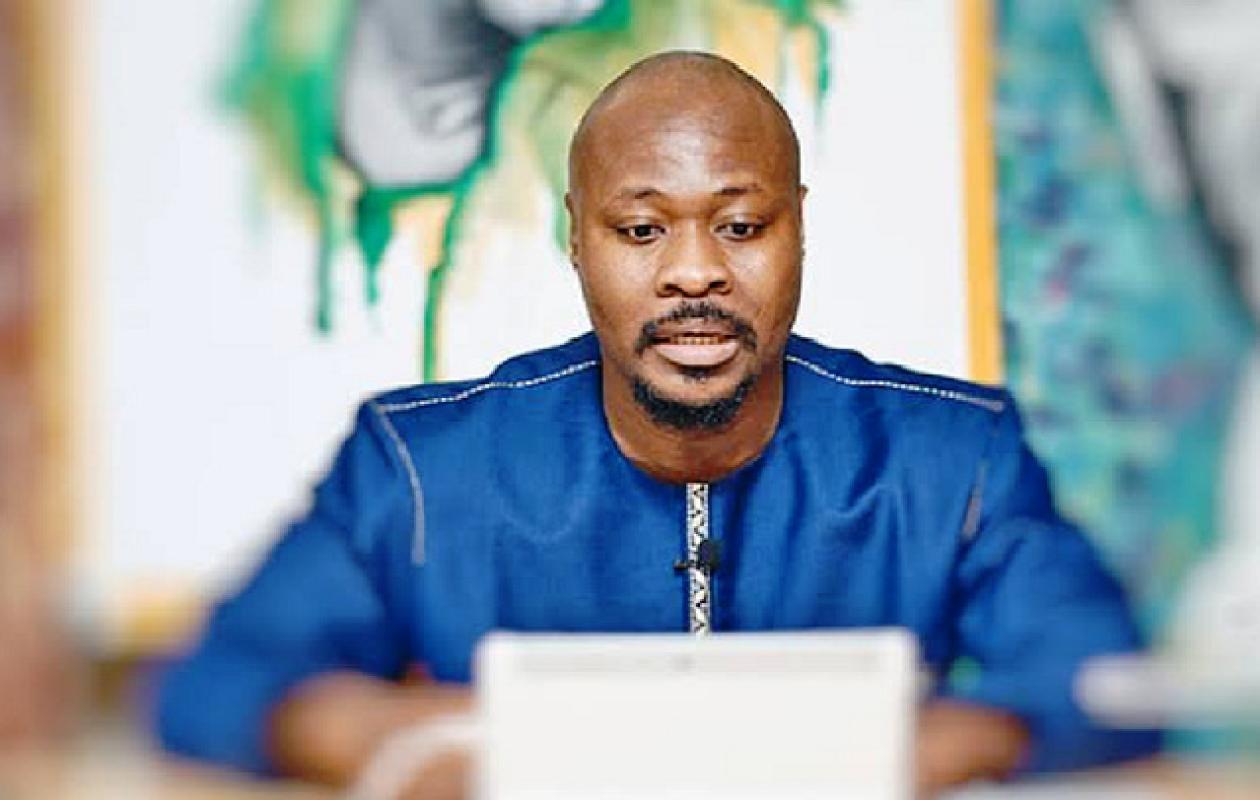
This year, Senegal is hosting the Youth Olympic Games (YOG) Dakar 2026. An impact on the local economy is expected. Babacar Gaye, an economist and statistician, and Managing Director of Gaye et Associés Consulting, along with his team, conducted a study on the potential benefits of this global event using their "Sunu Impact" simulator.
You analyzed the potential impact of the Dakar 2026 Youth Olympic Games using the Sunu-impact simulator. Overall, what effects can be expected from these Youth Olympic Games on the country's economy?
These Games represent a powerful but temporary demand shock, not a magic bullet. In the central scenario of our study, they add 649.2 billion FCFA in wealth between 2024 and 2026, or approximately 1% of GDP, with a range of 342.6 to 1,044.3 billion FCFA depending on the assumptions. This one-to-three ratio depends primarily on the proportion of spending that remains within the Senegalese economy instead of being redirected to imports. The year 2026 accounts for 56.7% of the effect and adds 0.63 percentage points to growth, after which the momentum wanes from 2027 onward. For an injection of approximately 377 billion FCFA, the multiplier is 1.72, a conservative level for an open economy, which the literature places between 1.5 and 2.5. We also anticipate 97.4 billion FCFA in tax revenue and 30,382 job-years, a significant portion of which will be temporary. These are orders of magnitude derived from a simulation, not certainties.
More than 3,000 hotel rooms have been booked, representing 37,000 overnight stays in 74 establishments, it is reported. What impact can be expected on the tourism sector?
These reservations provide a solid foundation for hoteliers, especially since the organizing committee has already paid half of the required fees. Spread over the fifteen days, these 37,000 overnight stays represent between 2,600 and 2,800 occupied rooms each night, which is considerable. However, they primarily cover delegations and accredited personnel, and therefore organizational expenses that don't reflect the country's overall appeal. The real gain will come from foreign visitors booking independently. It's also crucial to monitor potential cancellations, as November marks the start of the high season, and unoccupied rooms could deter tourists who would have come anyway. Only additional guests matter.
In your report, you mention the importance of a country's ability to attract, host, and retain international demand. Why will these aspects be decisive?
Because 30,000 foreign visitors, out of approximately 100,400, generate nearly 84% of the 22.6 billion CFA francs in tourism spending. A foreign visitor spends 630,000 CFA francs per stay, compared to 50,000 CFA francs for a Senegalese visitor staying locally—thirteen times less. Therefore, it is essential to attract visitors through flights and promotion, welcome them with impeccable hotels and logistics, and retain them by encouraging them to spend locally with local businesses. Ten thousand fewer foreign visitors means 6.3 billion CFA francs less in spending.
Which sectors will benefit most from the Dakar 2026 Youth Olympic Games?
Before the Games, the construction sector dominated, accounting for 59.36 billion out of 61.36 billion in documented investments, or 97%. During the Games, accommodation, food services, transportation, and retail took over, as seen in Singapore where these sectors captured more than 60% of tourist spending, and in Nanjing where urban services were dominant. We recommend also directing non-construction investments toward sectors with high multiplier effects and high labor demand to amplify the impact on employment.
Could the effects of these games create a surprise on the non-hydrocarbon growth forecasts, which are 2.2% of GDP?
First, a clarification. The 2.2% figure corresponds, to my knowledge, to the 2025 non-hydrocarbon growth published by the ANSD (National Agency for Statistics and Demography). For 2026, the Ministry is forecasting 3%, excluding hydrocarbons and agriculture. A positive surprise is possible. We estimate the contribution at 0.63 percentage points in 2026, between 0.21 and 1.05 depending on the scenario, and it is entirely excluding oil and gas. Two caveats, however. Part of this effect may already be factored into the forecasts, and the Games fall in the fourth quarter, which the accounts will publish in 2027. Finally, the decline in activity in 2027 will inevitably weigh on growth that year.
At the end of the Youth Olympic Games, how could we measure the economic success of these games?
Three timeframes to consider. Starting in November, the actual number of foreign visitors, average spending compared to the 630,000 FCFA target, and hotel occupancy rates compared to last year, rather than the number of spectators, which is inflated by solidarity ticketing. A few months later, tax revenues compared to our 97.4 billion FCFA, job duration, the share of contracts won by Senegalese companies, and adherence to the budget, as Buenos Aires saw its budget increase from $104.7 million to over $1 billion depending on the scope. Finally, in 2027 and 2028, the use of the stadium, swimming pool, and park. If they remain open and maintained, it will be a worthwhile investment; otherwise, it will be a costly event. I recommend an independent evaluation and a publicly available dashboard.
Interview by Youssouf SANE



















Commentaires (4)
Contre-expertise le. Puis on comparera.
Participer à la Discussion
Règles de la communauté
💡 Astuce : Utilisez des emojis depuis votre téléphone ou le module emoji ci-dessous. Cliquez sur GIF pour ajouter un GIF animé. Collez un lien X/Twitter, TikTok ou Instagram pour l'afficher automatiquement.
Se connecter
Commentez avec votre profil, votre photo, et soyez averti des réponses.