Ni pluie, ni crue, ni décrue : L'angoisse envahit éleveurs et agriculteurs
A year ago, Matam was watching the rising waters. On September 22, 2025, at 8 a.m., the river reached 8.26 meters. The water overflowed, submerging the fields of Dandé Maayo, and the worst was feared.
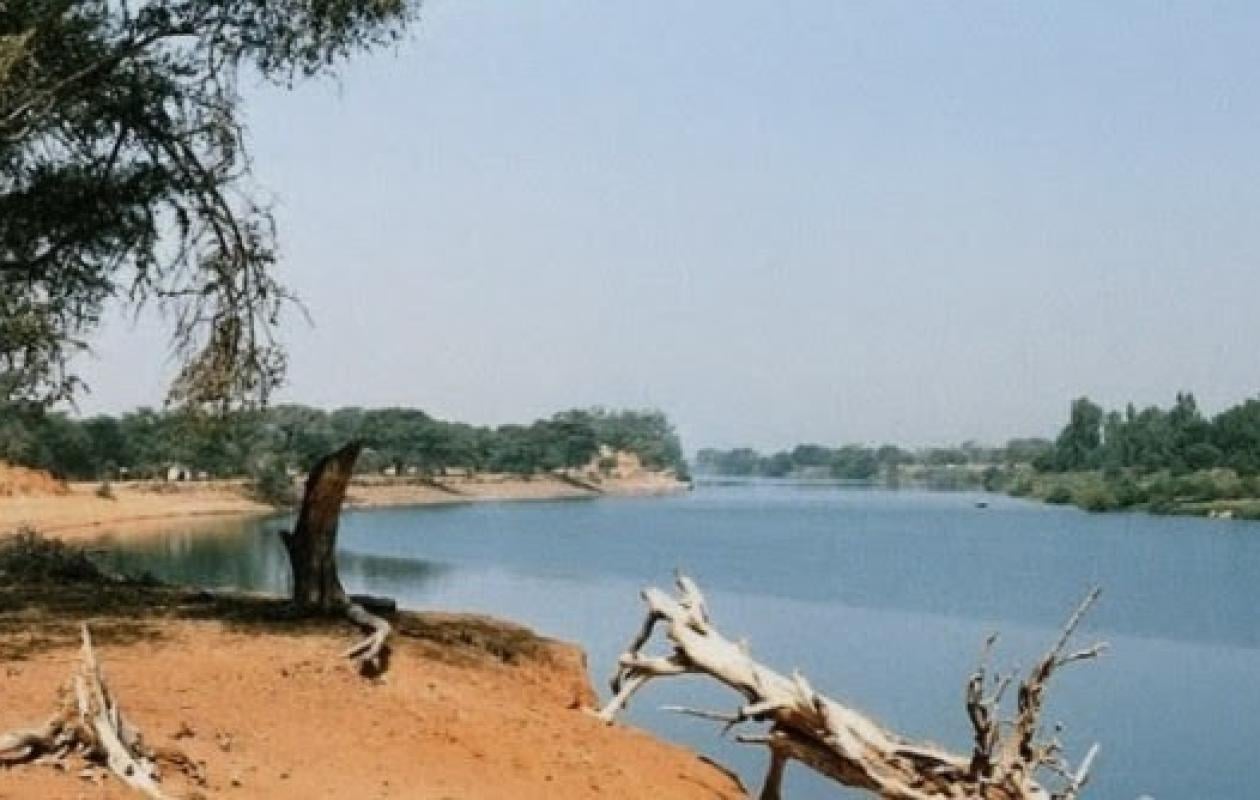
This year, the shortage is being felt. On September 22, 2026, at 8:00 a.m., the Saint-Louis Water Resources Brigade bulletin indicated that the river was only 3.97 meters deep at Matam, a drop of 3 centimeters in 24 hours. That's more than four meters lower than a year ago.
The situation is similar elsewhere. In Podor, the water level has dropped to 3.19 m, a decrease of 5 cm, compared to 5.17 m last year. The Falémé River at Kidira is now only 2.77 m, 7 cm lower than yesterday, compared to a projected level of 7.47 m in 2025. At Diama upstream, the flow rate has fallen to 682 m³/s compared to 1,610 m³/s last year. At Manantali, in the upper basin, the water is also less abundant this year.
A worrying situation
Rainfall has been scarce and there has been no flooding. Throughout the Jeeri region, millet, sorghum, and peanuts are suffering from the drought. In the Waalo region, hope has faded. Without flooding, the depressions will not fill. Without the water level receding, no crops will be grown.
It is this double failure that leads to food insecurity. When the "jeeri" (a type of millet) burns, families rely on the "waalo" (a type of millet) to make up for it. When both fail in the same year, things become more complicated.
The 2025 stocks are already depleted; the lean season won't begin in February, it has already started. And without sorghum straw, without crop residues, without ponds in the Ferlo region, the livestock will die before the granaries.
In Ogo, a farmer from the "jeeri" tried two sowings without success: "We were counting on the waalo to make up for it, but without flooding, there is no waalo. No rain, no flooding, no receding. This is unprecedented for me. What will be the future of my family?", he worries.
On the road to Dandé Maayo, a herder watches his animals searching for grass that is already scarce: "Last year, we struggled to save the herd from the floods. This year, we are hunting for grass. No flood means no sorghum straw. We will have to move our herds earlier."
A woman who practices market gardening near Bokidiawé sums it up: "The difficult period will not begin in February. It has already begun."
Regarding food security, an agricultural technician warns: "The urgency calls for the immediate implementation of a system. We need short-cycle seeds, motor pumps for the off-season and a feeding plan for livestock."




















Commentaires (5)
Participer à la Discussion
Règles de la communauté
💡 Astuce : Utilisez des emojis depuis votre téléphone ou le module emoji ci-dessous. Cliquez sur GIF pour ajouter un GIF animé. Collez un lien X/Twitter, TikTok ou Instagram pour l'afficher automatiquement.
Se connecter
Commentez avec votre profil, votre photo, et soyez averti des réponses.