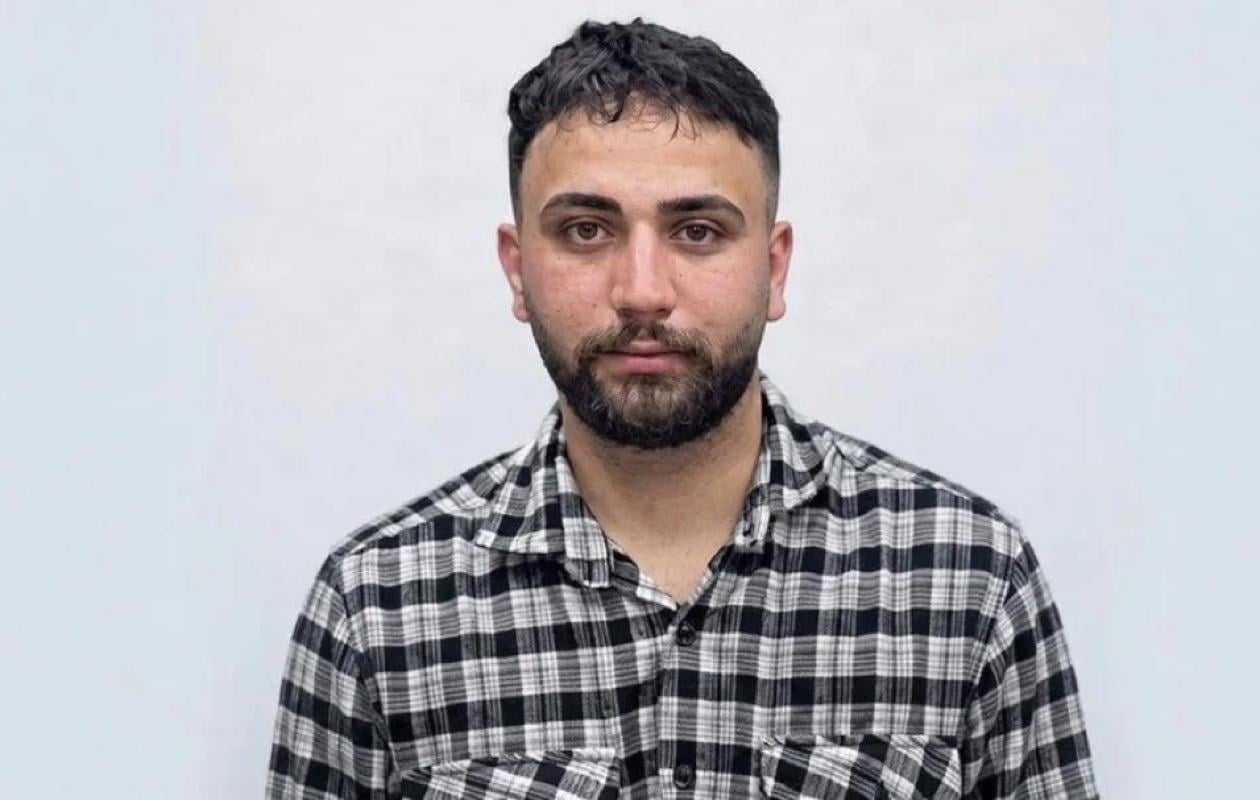
Épargné, marié, pendu: les dernières semaines de l'Iranien Alireza Sepahi
On the morning of October 5, 25-year-old Alireza Sepahi was hanged in Iran. The day before, he had married his partner, who was also imprisoned, in a ceremony conducted by telephone.
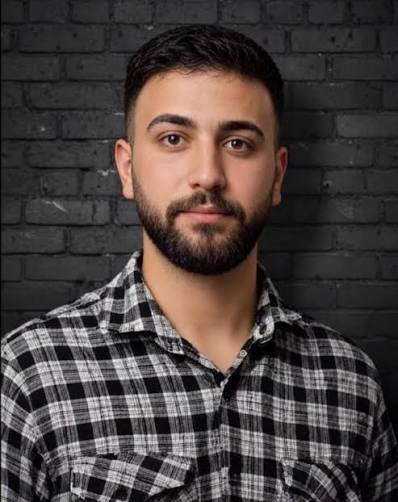
Arrested for his alleged involvement in the deaths of four police officers during the anti-government protests in January, he was initially scheduled to be executed in July but a heart attack delayed the execution.
The court had convicted him "for belonging to an armed group and undermining national security", according to the judiciary's agency Mizan, just like Alireza Raïssi, who was also hanged on Monday in Isfahan prison (central Syria).
The Islamic Republic has now executed 34 people in connection with this wave of protests that were brutally suppressed, according to the Norway-based NGO Iran Human Rights (IHR).
Alireza Sepahi was arrested on January 10, shortly after the events he is accused of, alongside his mother, who is still incarcerated for a five-year prison sentence.
The case was marred by "serious procedural flaws," accuses the Abdorrahman Boroumand Center, which is based in the United States.
He claims the court ignored "evidence presented by the defense," including images showing that he was not present at the scene at the time of the events.
Around ten other people were sentenced to death in the case.
Two were hanged on July 19. Mr. Sepahi was to be hanged on July 28 in public with two men, including his cousin Abolfazl, according to the IHR.
"But shortly before the execution, he suffered a heart attack and was transferred to the hospital," explains Mai Sato, the United Nations Special Rapporteur on the human rights situation in Iran.
"He was released a few days later and returned to prison, living every day in fear of execution, until the guillotine fell."
The Revolutionary Court of Isfahan rejected his appeal and his relatives were summoned for a final meeting.
Before dying, however, Alireza Sepahi fulfilled one last commitment.
His lawyer arranged a call with his partner, Mahshad Kashani, who is incarcerated in another prison in Isfahan, in order to celebrate their religious marriage before his hanging.
"Do you grant me permission" to pronounce the marriage with a dowry consisting of "a copy of the Quran, a piece of rock candy and a red rose," he asked their fathers, who gave their blessing, according to the audio recording shared by human rights organizations, including the IHR.
The prison administration refused the couple permission to see each other one last time.
"The lawyers hoped that the marriage might delay the execution. But the authorities argued that the fiancée had no relation to the prisoner and prevented an in-person ceremony," explains Roya Boroumand, co-founder of the Abdorrahman Boroumand Centre.
"So they were married in absentia," she added.
"The horror continued for his family" after the execution, Mai Sato points out.
Alireza Sepahi's body was not returned to them for his funeral in Isfahan, but transferred 200 kilometers away to Kashan.
AFP





















Commentaires (4)
Participer à la Discussion
Règles de la communauté
💡 Astuce : Utilisez des emojis depuis votre téléphone ou le module emoji ci-dessous. Cliquez sur GIF pour ajouter un GIF animé. Collez un lien X/Twitter, TikTok ou Instagram pour l'afficher automatiquement.
Se connecter
Commentez avec votre profil, votre photo, et soyez averti des réponses.