Les réserves de gaz européennes au plus bas
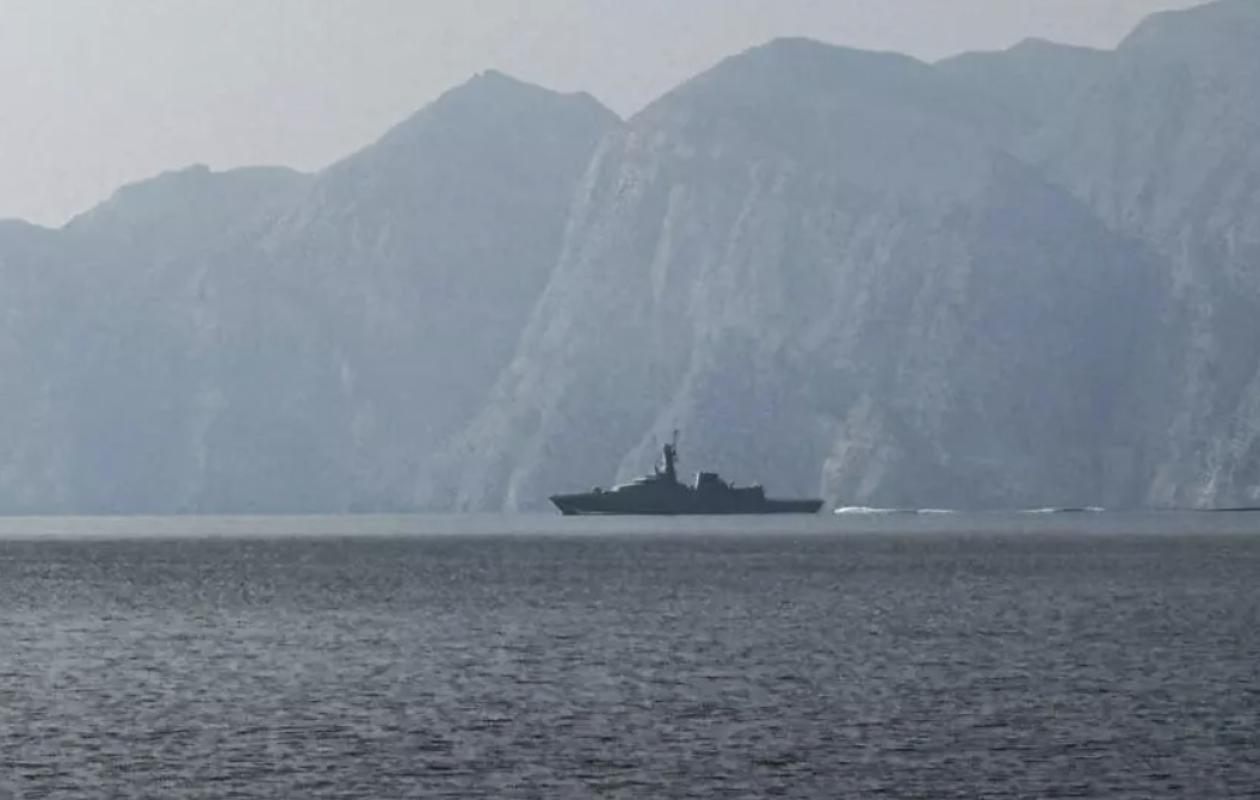
The war in the Middle East and the blockade of the Strait of Hormuz continue to weigh heavily on the global economy: oil prices have been fluctuating wildly since the end of February, with Brent crude rising with each increase in tension and falling again at the slightest sign of de-escalation. While gas prices have also been highly volatile, they have remained significantly higher than before the war. So much so that Europeans are unsure whether they will be able to replenish their reserves before winter.
By early July, oil had returned to its pre-war levels, and despite a peak of $100 three weeks later, the barrel is currently trading about 20% above the price of last February.
Gas prices, however, never came down: at the lowest point, the kilowatt-hour was still 50% more expensive than before the war, today prices have almost doubled compared to February.
This is an embarrassing situation for Europeans, as summer is traditionally the period when reserves are replenished before winter.
At the end of March, the Commission had nevertheless taken the initiative, advising governments to delay and only replenish stocks to 80%. Qatar remains largely prevented from exporting its gas, even though the country alone accounts for a fifth of global supply.
As a result, Europeans abandoned their principles and turned to Russian gas; France and Belgium purchased €6 billion worth. Despite this, it seems increasingly likely that reserves will not be replenished before the end of autumn.




















Commentaires (1)
Participer à la Discussion
Règles de la communauté
💡 Astuce : Utilisez des emojis depuis votre téléphone ou le module emoji ci-dessous. Cliquez sur GIF pour ajouter un GIF animé. Collez un lien X/Twitter, TikTok ou Instagram pour l'afficher automatiquement.
Se connecter
Commentez avec votre profil, votre photo, et soyez averti des réponses.