Présidentielle au Brésil : Neymar, Richarlison… Le football au cœur du duel entre Lula et Bolsonaro
As the second round of the Brazilian presidential election approaches, the rivalry between Luiz Inácio Lula da Silva and Flávio Bolsonaro extends far beyond the political sphere. Between Neymar's pronouncements, Richarlison's accusations, and concerns surrounding sports betting, football has become a veritable battleground in a particularly tense campaign.
In Brazil, football is no longer just a source of excitement for fans. It has now become central to the electoral battle. Just hours before the election scheduled for Sunday, October 25, incumbent President Lula and his rival Flávio Bolsonaro are locked in a tight contest, revealing the deep divisions within the country.
Having come out on top in the first round with 47.03% of the vote, compared to 45.16% for Lula, Senator Bolsonaro is seeing his lead narrow. According to the latest Datafolha poll cited in the campaign, the two candidates are tied with 50% of valid voting intentions. In this context, the support of popular figures, particularly those from the world of sports, is a crucial communication strategy.
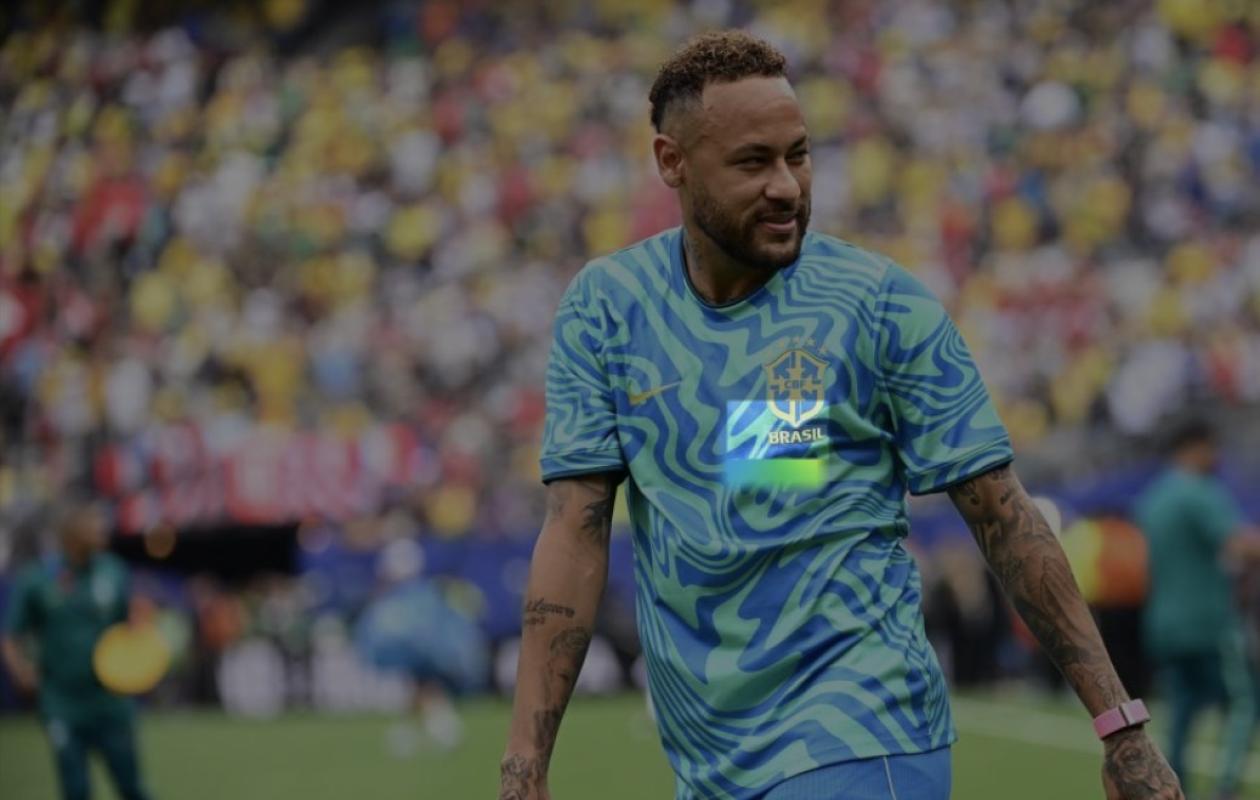
Neymar shows his closeness to the Bolsonaro camp
A leading figure in Brazilian football, Neymar Jr. has once again found himself at the center of political controversy. Already a supporter of Jair Bolsonaro during the 2022 presidential election, the Santos striker has repeatedly referenced the number 22, associated with Flávio Bolsonaro's camp.
In a video released alongside MP Nikolas Ferreira, a close associate of the Bolsonaro family, the player participates in a sequence based on a number game, notably referencing his former number at FC Barcelona and the sum 11 + 11. An allusion interpreted as support for the conservative candidate, a few days before the vote.
This stance contrasts with that of other figures in Brazilian football who have chosen to support Lula. Among them, former international midfielder Juninho Pernambucano and former Seleção captain Raí have publicly declared their support for the outgoing president.
These commitments illustrate the growing role of athletes in Brazilian public debate. While their fame allows them to reach a wide audience, their actual influence on election results remains difficult to measure.
Richarlison enters into conflict with Flávio Bolsonaro
The campaign was also marked by the confrontation between Richarlison and Flávio Bolsonaro. The Tottenham striker accused the candidate and lawyer Willer Tomaz of having taken control of an island located near Angra dos Reis, south of Rio de Janeiro.
The player claims to have acquired the property with associates during the Covid-19 pandemic. According to him, he refused an offer before losing possession of the property. To support his claims, he has published documents which he presents as proof of his acquisition.
For his part, the lawyer disputes this version of events and maintains that Richarlison bought the land from illegal occupants. Lula announced his intention to request an investigation by the federal police.
On the eve of the election, this affair places the Brazilian international in direct opposition to a presidential candidate. The accusations made by the various parties remain contested, however, and responsibility will have to be determined by the competent authorities.
Sports betting, another front in the battle
Beyond individual stances, the economic stakes of football also play a significant role in this political confrontation. On September 25, Lula took action targeting fixed-odds sports betting platforms in Brazil, citing household over-indebtedness and the social consequences of gambling.
This initiative is causing serious concern in professional football, where several clubs depend on advertising revenue generated by these operators.
According to a study cited by Reuters, Brazilian first division clubs generated approximately one billion reais in direct advertising revenue from sports betting companies in 2025. This amount represented nearly 10% of their recurring revenue.
Faced with this prospect, Flamengo and Fluminense displayed the slogan "Proibir não é proteger" ("To forbid is not to protect") during a match played at the Maracanã. The federations of São Paulo and Rio de Janeiro also expressed their concerns, fearing significant financial consequences for the clubs.
Flávio Bolsonaro seized upon this protest to promise discussions with industry stakeholders to find a solution. However, this opposition to government policy does not automatically constitute a declaration of support for his candidacy.
Through these various episodes, the Brazilian presidential election confirms that football is much more than just a sport in the country. Between political rivalries, personal commitments, and economic interests, it has become one of the main arenas where the divisions within Brazilian society are expressed.













Commentaires (0)
Participer à la Discussion
Règles de la communauté
💡 Astuce : Utilisez des emojis depuis votre téléphone ou le module emoji ci-dessous. Cliquez sur GIF pour ajouter un GIF animé. Collez un lien X/Twitter, TikTok ou Instagram pour l'afficher automatiquement.
Se connecter
Commentez avec votre profil, votre photo, et soyez averti des réponses.