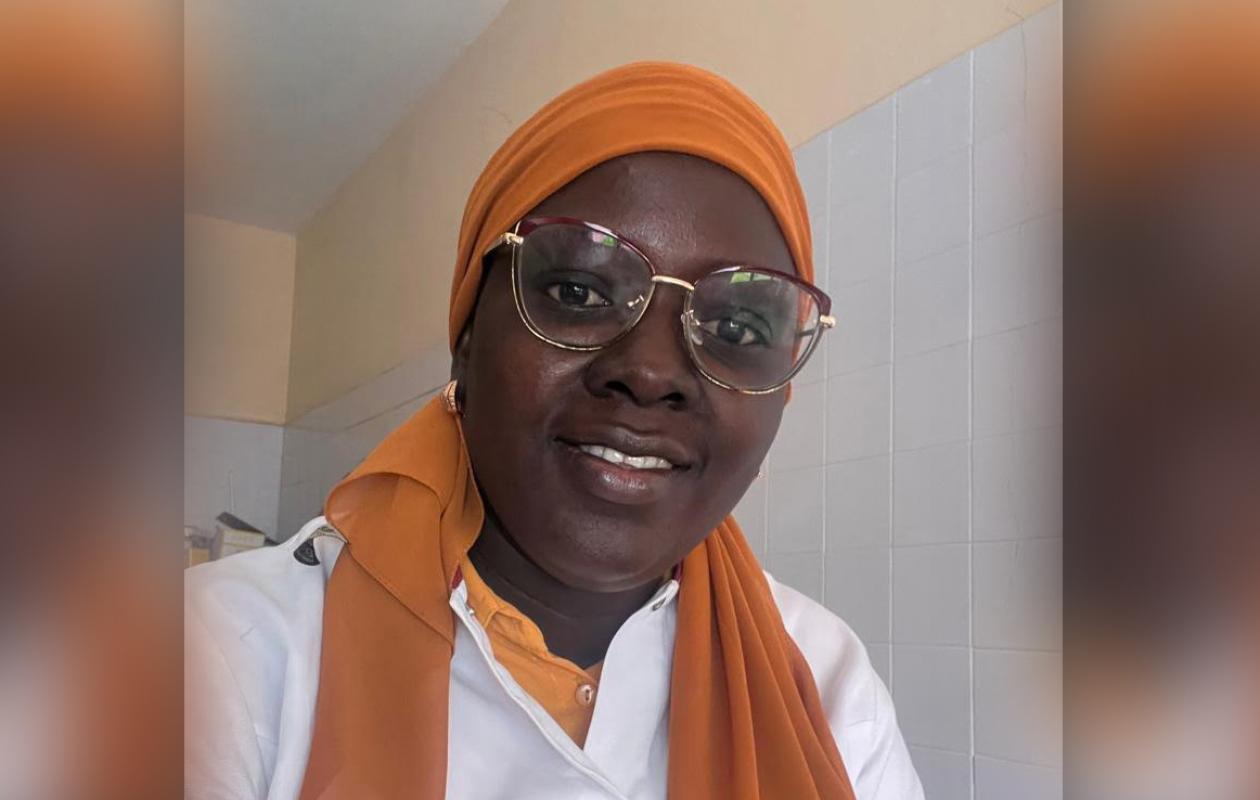
Dr Bineta Guèye (HOGIP) : « La sédentarité tue autant que le tabac » Dossier Sédentarité (2/3)

What is a sedentary lifestyle, Professor?
A sedentary lifestyle consists of spending most of the day sitting or lying down, with very little energy expenditure. This is the case when you work 8 hours straight at the office, watch television, scroll on your phone, or commute by car. Note: you can do one hour of exercise a day and still be sedentary for the other 23 hours. Exercise does not eliminate a sedentary lifestyle.
What is the difference between physical activity and sport? Which one is compulsory?
Physical activity encompasses any bodily movement that expends energy: walking, climbing stairs, doing housework, gardening. Sport, on the other hand, is a structured activity that follows rules, with a defined intensity and a performance goal (football, swimming, weight training). The WHO recommends a minimum of 150 minutes of physical activity per week for everyone. Sport is beneficial for heart and muscle health.
How can we avoid a sedentary lifestyle? Is walking enough?
Yes, walking is perfectly adequate. The WHO recommends that adults dedicate 150 to 300 minutes per week to moderate-intensity endurance activity, which translates to 30 minutes of brisk walking 5 days a week. "Brisk" means you can talk, but not sing. You can also aim to get up every hour to move around for 2 to 3 minutes.
Is a coach absolutely necessary to practice?
Not necessarily, but it's recommended for beginners, especially if you've never done any sport or have risk factors such as high blood pressure, diabetes, obesity, or heart conditions. A coach or physiotherapist can help prevent injuries and adjust the intensity. To start on your own, a brisk walk on the beach or in your neighborhood is perfectly suitable.
What do you suggest for workers who are short on time or sit for most of the day?
I recommend the rule of active micro-breaks: every 50 minutes, get up for two minutes to walk or stretch. Schedule standing meetings or walk during phone calls. Take the stairs instead of the elevator and aim for a 10-minute walk at midday and another 10 minutes in the evening, which adds up to 20 minutes of exercise. Using sit-stand desks is also an excellent way to break up long periods of inactivity.
Can slim people who have no fat to burn do without exercise?
No. Being thin doesn't mean being healthy. We sometimes talk about a "skinny but fat" physique: little muscle mass, but excess visceral fat around the organs. Cardiovascular and diabetes risks remain high without physical activity. Muscle is a protective organ.
Does a sedentary lifestyle systematically promote weight gain?
In almost all cases, yes. If calorie expenditure is less than food intake, the surplus is stored as fat. A sedentary lifestyle also slows down metabolism and promotes fat accumulation around the abdominal area.
At what point is it considered that one has excess fat to eliminate?
A Body Mass Index (BMI) above 25 indicates overweight, and above 30, obesity. It is also assessed by waist circumference when it exceeds 94 cm in men and 80 cm in women. Abdominal fat is the primary risk factor for heart health.
The Body Mass Index (BMI) allows us to estimate body size and assess health risks. It is calculated by dividing weight in kilograms by the square of height in meters (BMI = \frac{\text{weight}}{\text{height}^2}).
In Senegal, weight gain and obesity are often confused. What is the difference?
Weight gain refers to an increase of a few kilograms, resulting in a BMI between 25 and 29.9 (overweight). When the BMI reaches or exceeds 30, it is considered obesity, a chronic disease. Abdominal obesity occurs when waist circumference exceeds recommended levels. It is a major cardiovascular risk factor.
Less than 18.5: Underweight (thinness or being underweight)
18.5 to 24.9: Normal body size (ideal weight)
25 to 29.9: Overweight
30 to 34.9: Moderate obesity (class 1)
35 to 39.9: Severe obesity (class 2)
40 and over: Massive or morbid obesity (class 3)
In cases of obesity, is specialized medical and sports monitoring mandatory?
Yes, it's highly recommended. The doctor will conduct a complete assessment (heart, diabetes, joints). The physiotherapist or Adapted Physical Activity (APA) instructor will adjust the exercises to prevent injuries. Trying to lose weight without guidance increases the risk of weight regain and muscle or joint problems.
Does a sedentary lifestyle cause other harmful consequences for the body?
Absolutely. From a cardiovascular standpoint, it promotes high blood pressure, myocardial infarction, and stroke. From a metabolic standpoint, it increases the risk of type 2 diabetes and high cholesterol. It is also associated with an increased risk of colon and breast cancer, and damages the musculoskeletal system (osteoporosis, muscle wasting, lower back pain). Finally, it affects mental health (anxiety, depression, memory loss) and venous circulation, potentially causing phlebitis.
Are you saying that a sedentary lifestyle can be fatal?
Absolutely. The WHO estimates that sedentary lifestyles are responsible for approximately 3.2 million deaths worldwide each year. It is a major risk factor for cardiovascular mortality, just like smoking.
At what age is it appropriate to start engaging in physical activity?
From a very young age. Good habits are acquired during childhood, although it's never too late to start. Engaging in physical activity, even at 70, provides significant protective benefits.
How much daily physical activity does the WHO recommend?
According to the 2020 WHO guidelines:
Children and adolescents (5 to 17 years): 60 minutes per day of moderate to vigorous physical activity.
Adults (18 to 64 years): 150 to 300 minutes per week of moderate-intensity activity.
Seniors (65 years and over): Same volume as adults, supplemented by balance and muscle strengthening exercises to prevent falls.
What do you recommend for people aged 80 and over to maintain their fitness?
They can use a stationary bike at a gentle pace. However, ideally, they should walk for 10 to 15 minutes a day, do gentle gymnastics, Tai Chi, or chair yoga to maintain flexibility. Simple balance exercises (standing on one foot for 10 seconds) and light muscle strengthening with small dumbbells or water bottles are very beneficial. The goal is not performance, but maintaining independence and preventing falls.
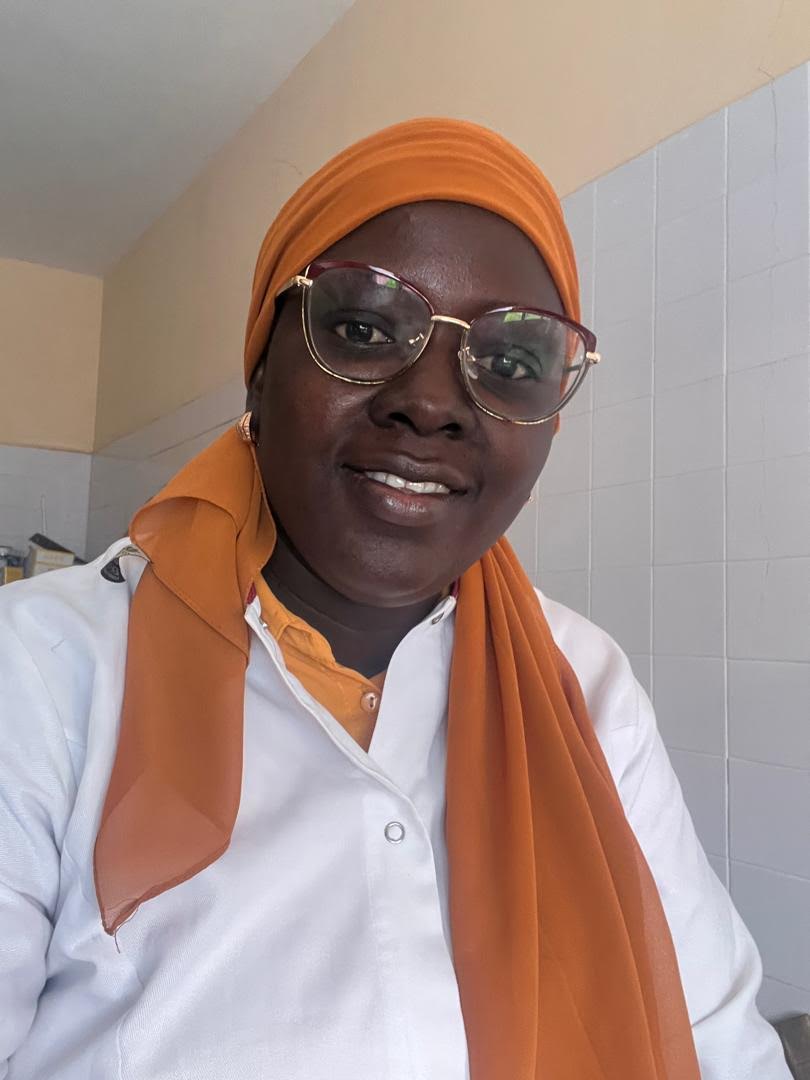
Dr. Bineta Guèye (HOGIP)





















Commentaires (19)
Les Senegalais ont faim et on rien a manger.
Aidez les Senegalais a manger a leur faim.
Quand ya rien dans l'estomac, tu ne peux pas accumuler de graisse ou d'obsite'.
Les Senegalais passent leur temps a chercher de quoi manger.
Ceux qui on pris du poids avec surprise, ce sont ceux la qui abusent des nouveaux produits
vendus dans les rayons modernes, bourre's de graisse, the produits chimiques, de sel et de sucre
Et je vois des Senegalais de plus en plus obeses,surtout chez les jeunes filles
Arretez de copier le petit dejeuner du blanc . Ce qui est deverse' au Senegal comme aliment c'est du poison lent.
La pire qualite' que l'etre humain peut regarder en face. Perime' puis reconditionne' pour la vente dans des pays cible's
Un sport peut-être physique (football, basket-ball,...) ou d'esprit (scrabble, jeux vidéos,...). Ce que tu évoques n'entre dans aucune de ces catégories.
En revanche, comme elle le dit dans le texte, ce qui est important c'est l'activité physique en quantité suffisante et répartie dans la journée.
L'activité pour laquelle tu demande une information ne requiert malheureusement que 10 minutes de ton temps, même deux fois par jour.
Donc il faut y méler d'autres activités, comme faire du jardinage, marcher pour aller au travail ou rendre visite à tes amis, à un rythme soutenu, faire du rangement chez toi ou t'entrainer pour un vrai marathon de 42 km. Tu verras alors que ça fait beaucoup plus transpirer que faire des vas et viens pendant dix minutes
Merci Dr Fatoumata Bintou.
1/ quoiqu'on fasse , on meurt TOUJOURS de quelque chose.
2/ Et on ne vivra QUE ce qui nous est prescrit de vivre
3/ Nos Grands marabouts et autres patriarches restent ASSIS des HEURES ET DES HEURES par jour et POURTANT, ils ont une LONGEVITE DE VIE REMARQUABLE
4/ Enfin c'est bien de réciter les leçons apprises mais leur applicabilité ne peut être UNIVERSELLE. CQFD.. JAJFFETTI...
Le premier c'est qu'il vaut mieux vivre 70 dix ans en excellente forme que vivre 80 ans dont 40 sur un lit d'hôpital.
La plupart des marabouts dont vous soulignez la longévité remarquable sont entourés de médecins qui les maintiennent en état et sont régulièrement évacués à l'étranger pour des opérations d'urgence.
Par ailleurs vous seriez surpris de savoir le nombre de ces marabouts qui ont des séances quotidiennes d'entrainement physique, et je pèse bien mes mots.
Donc non, avoir une activité physique ce n'est pas n'importe quoi.
Al maktoum 92ans
Al amine 90ans
Serigne Mansour Sy 89ans
Serigne Sidy Mokhtat 92ans
juste pour confirmer ce que tu veins de dire.
Participer à la Discussion
Règles de la communauté
💡 Astuce : Utilisez des emojis depuis votre téléphone ou le module emoji ci-dessous. Cliquez sur GIF pour ajouter un GIF animé. Collez un lien X/Twitter, TikTok ou Instagram pour l'afficher automatiquement.
Se connecter
Commentez avec votre profil, votre photo, et soyez averti des réponses.