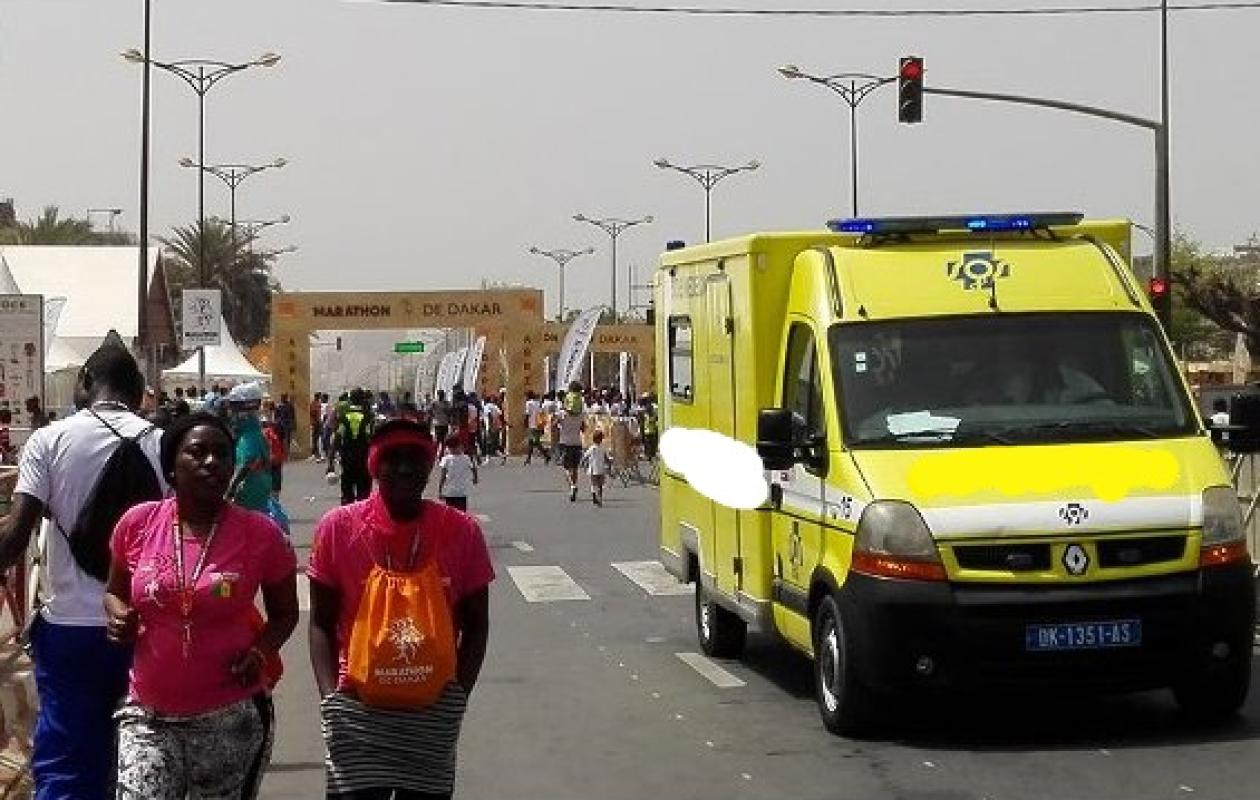
JOJ Dakar 2026 : Le COUS en état d’alerte face aux menaces sanitaires
Ebola, diphtheria, dengue fever, malaria… As the Youth Olympic Games (YOG) approach, the Emergency Health Operations Center (EHOC) is strengthening its prevention and response measures. Its Director General, Dr. Papa Samba Dièye, is at the heart of this preparation aimed at protecting athletes, delegations, and the general population.
Senegal is strengthening its health preparedness measures ahead of the Youth Olympic Games, which will bring together more than 2,700 athletes and 206 delegations for 14 days of competition in Dakar, Diamniadio, and Saly. Given the risks inherent in this large-scale international gathering, the Health Emergency Operations Center is participating in the implementation of a comprehensive plan for the prevention, monitoring, and response to health emergencies.
According to its director general, Dr. Papa Samba Dièye, this preparation comes in an epidemiological and environmental context that demands heightened vigilance. Several threats have been identified, requiring rigorous risk assessment and seamless coordination of interventions.
Among the major concerns is Ebola virus disease. Initially assessed as low, the threat was reassessed after the confirmation of an imported case in Nigeria on October 22, 2026. According to the assessment presented by the authorities, the probability of importation has increased from "unlikely" to "likely," leading to an upward revision of the overall risk level. This situation underscores the urgent need to strengthen border surveillance mechanisms, early detection, and immediate management of any suspected cases.
Also read: "Dakar 2026 Youth Olympic Games: traffic plan unveiled for the opening ceremony"
Diphtheria and vector-borne diseases under close surveillance
The health system must also neutralize the threat of diphtheria, a disease that is being closely monitored in Senegal. Despite a general downward trend, a recent transmission has been reported in the Diamniadio health district, a highly strategic area for the organization of the Olympic events.
Adding to this threat are vector-borne diseases, including dengue fever, malaria, and Rift Valley fever. The end of the rainy season is an additional factor requiring vigilance. Heat waves and the risk of transport accidents are also among the dangers that could impact the smooth running of the events.
To anticipate any eventuality, the system relies on precise risk mapping, a three-tiered governance architecture, and full-scale simulation exercises. These mechanisms are designed to test and validate the health services' ability to detect alerts, coordinate interventions, and respond swiftly.
A waterproof device to prevent crises
Beyond epidemiological surveillance, the strategic challenge lies in ensuring a coordinated response throughout the 14 days of competition. Preparation involves alert and coordination mechanisms designed to protect athletes, foreign delegations, support staff, and host communities. For the COUS (National Olympic and Sports Committee), this event represents a full-scale test in terms of anticipating and managing public health emergencies. Rapid threat detection, real-time information sharing, and synergy between health facilities will be crucial. Health authorities thus intend to enhance the national response capacity to guarantee a perfectly safe health environment during the Dakar 2026 Youth Olympic Games.






















Commentaires (1)
Participer à la Discussion
Règles de la communauté
💡 Astuce : Utilisez des emojis depuis votre téléphone ou le module emoji ci-dessous. Cliquez sur GIF pour ajouter un GIF animé. Collez un lien X/Twitter, TikTok ou Instagram pour l'afficher automatiquement.
Se connecter
Commentez avec votre profil, votre photo, et soyez averti des réponses.