Lutte contre le diabète au Sénégal : Le bilan annuel ciblé annoncé pour 2027, l'insuline davantage subventionnée
Senegal plans to launch the Targeted Annual Health Check-up (TAHC) in 2027, a strategy designed to establish a culture of regular medical check-ups and promote the early detection of chronic diseases. In parallel, the insulin subsidy has increased from 300 million to 520 million CFA francs, and the country now has 27 integrated diabetes and hypertension management centers.
Detecting diseases before complications arise, rather than waiting for the first symptoms, is the behavioral change that the Ministry of Health and Public Hygiene aims to encourage through the targeted annual health check-up (BAC), scheduled for implementation in 2027. Presented as one of the main pillars of the national prevention policy, this strategy is intended to ensure that every Senegalese citizen benefits from a medical check-up tailored to their age, sex, and risk factors.
“Our ambition is really to bring Senegalese men and women to have a culture of assessment,” explained Dr. Moustapha Diop, director of the fight against the occurrence of diseases, during the press conference launching the national campaign of the Senegalese Association for the Support of Diabetics (ASSAD), Wednesday in Dakar.
Initially, the program will target formal sector workers before being gradually extended to the general population. To finance it, the ministry plans to leverage existing health insurance mechanisms and community-based health funds to facilitate access at the community level.
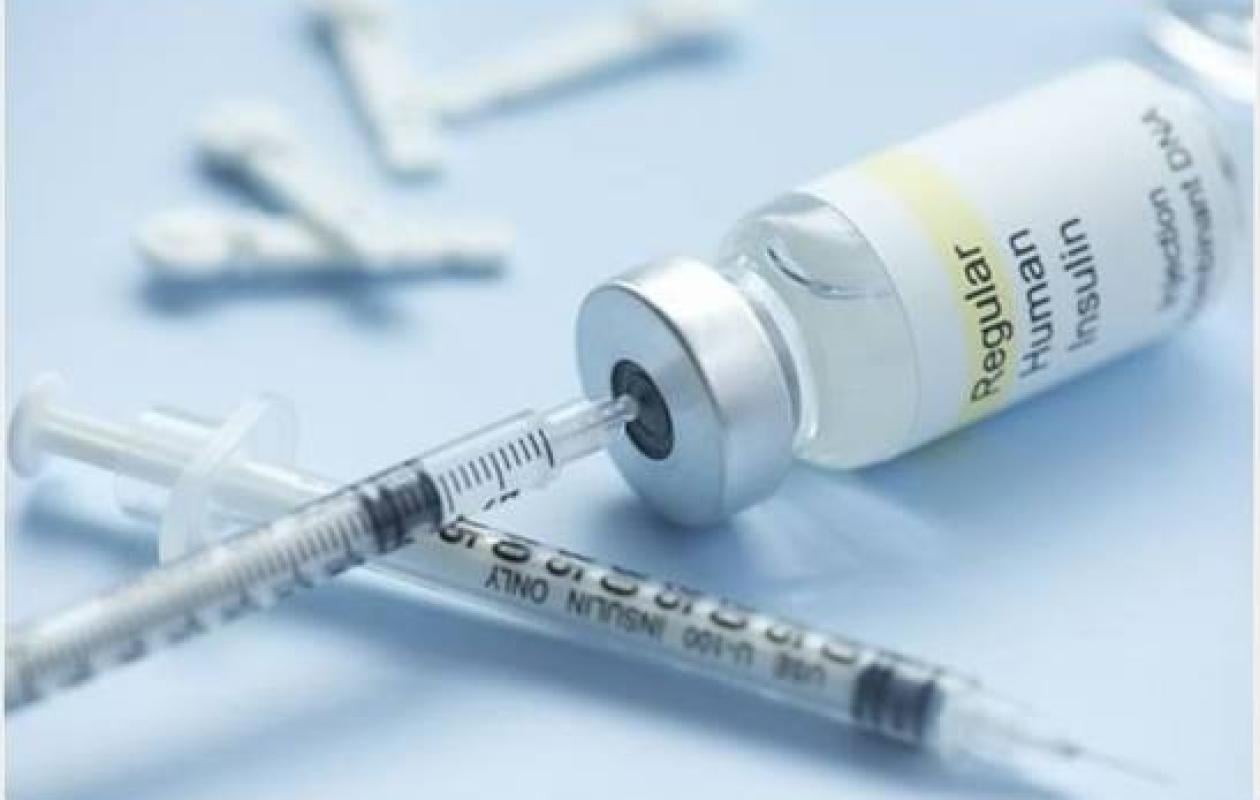
While awaiting the implementation of this strategy, health authorities are highlighting several measures aimed at improving the care of people living with diabetes. The insulin subsidy has thus increased from 300 million to 520 million FCFA. Antidiabetic medications are also included on the list of essential medicines and are available at the National Supply Pharmacy (PNA), according to the director.
In terms of infrastructure, 27 integrated diabetes and hypertension care centers have been opened across the country, with a target of expanding to 28 facilities. A new center has been announced in Pouva, specifically to strengthen healthcare services in that area.
These efforts are also supported by the integrated plan to combat non-communicable diseases, which includes diabetes, high blood pressure, cardiovascular diseases, and kidney disease. The ministry is focusing on integrated care, with national protocols designed to harmonize interventions from community-based services to hospitals.
The results of the STEPS 2024 survey, presented by Dr. Moustapha Diop, report a prevalence of diabetes of 4.2% among 18-69 year olds, compared to 3.4% in 2015. It reaches 6% among 45-59 year olds and 14% in the 66-69 year old group, illustrating in particular the weight of age among the risk factors.
For the health official, prevention must now occupy a central place in the national response. "Without data, it's just flying blind," he stressed, referring to the integration of information on diabetes and hypertension into a national health monitoring platform.
Through targeted annual assessments, increased subsidies and the expansion of care centers, the ministry intends to shift the fight against diabetes towards a more preventive, territorially based and accessible approach for the population.






















Commentaires (0)
Participer à la Discussion
Règles de la communauté
💡 Astuce : Utilisez des emojis depuis votre téléphone ou le module emoji ci-dessous. Cliquez sur GIF pour ajouter un GIF animé. Collez un lien X/Twitter, TikTok ou Instagram pour l'afficher automatiquement.
Se connecter
Commentez avec votre profil, votre photo, et soyez averti des réponses.