Casamance : le retour des déplacés au cœur des inquiétudes de la reconstruction
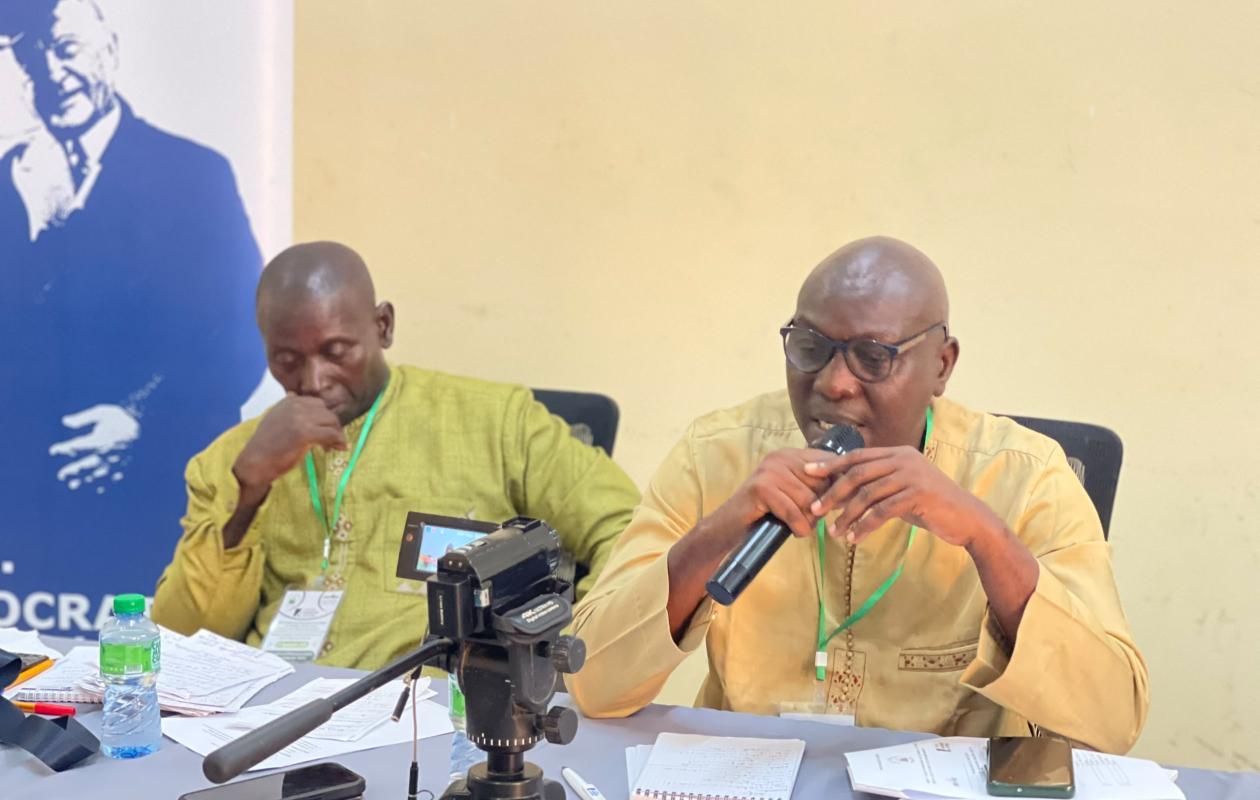
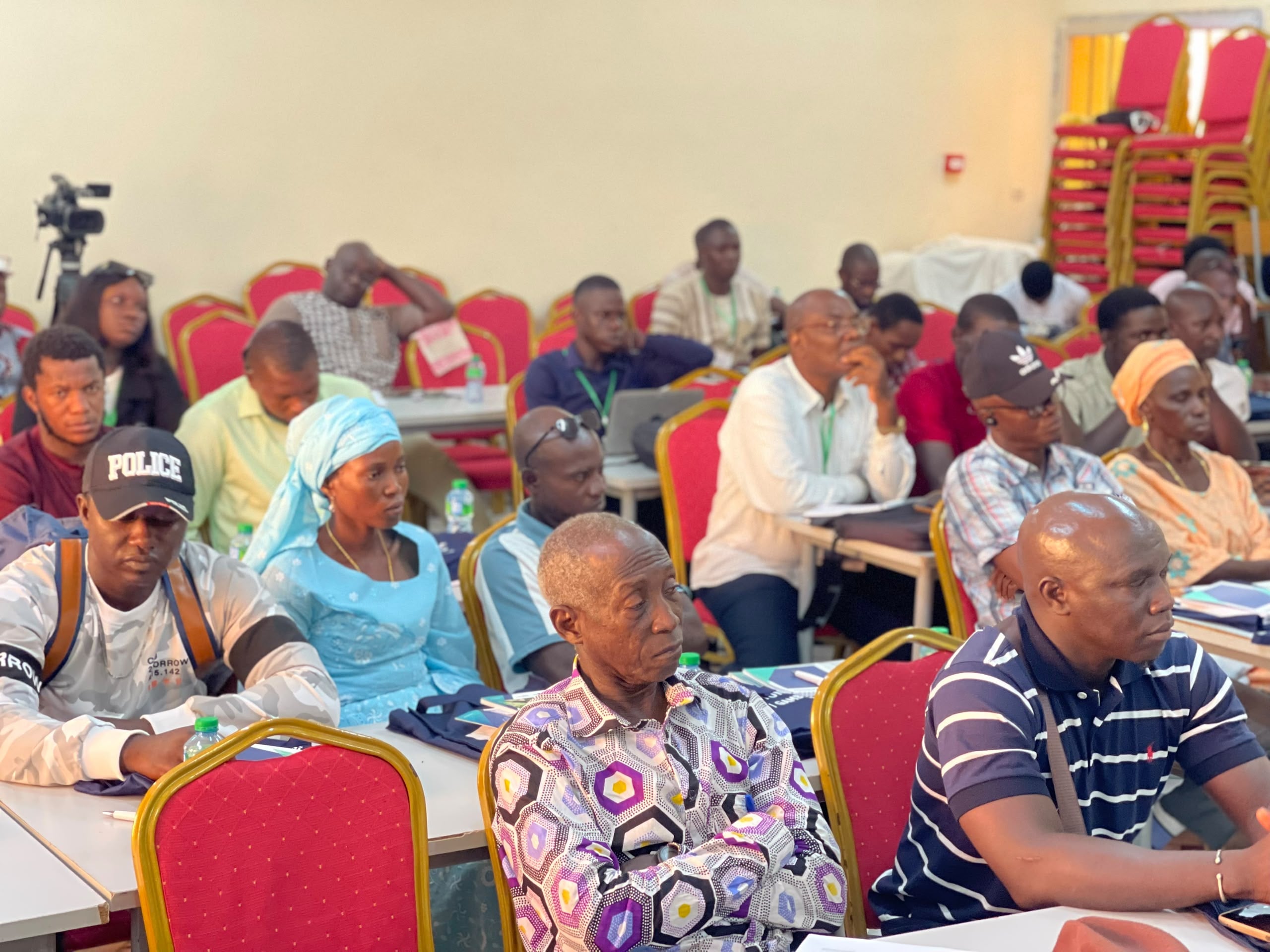
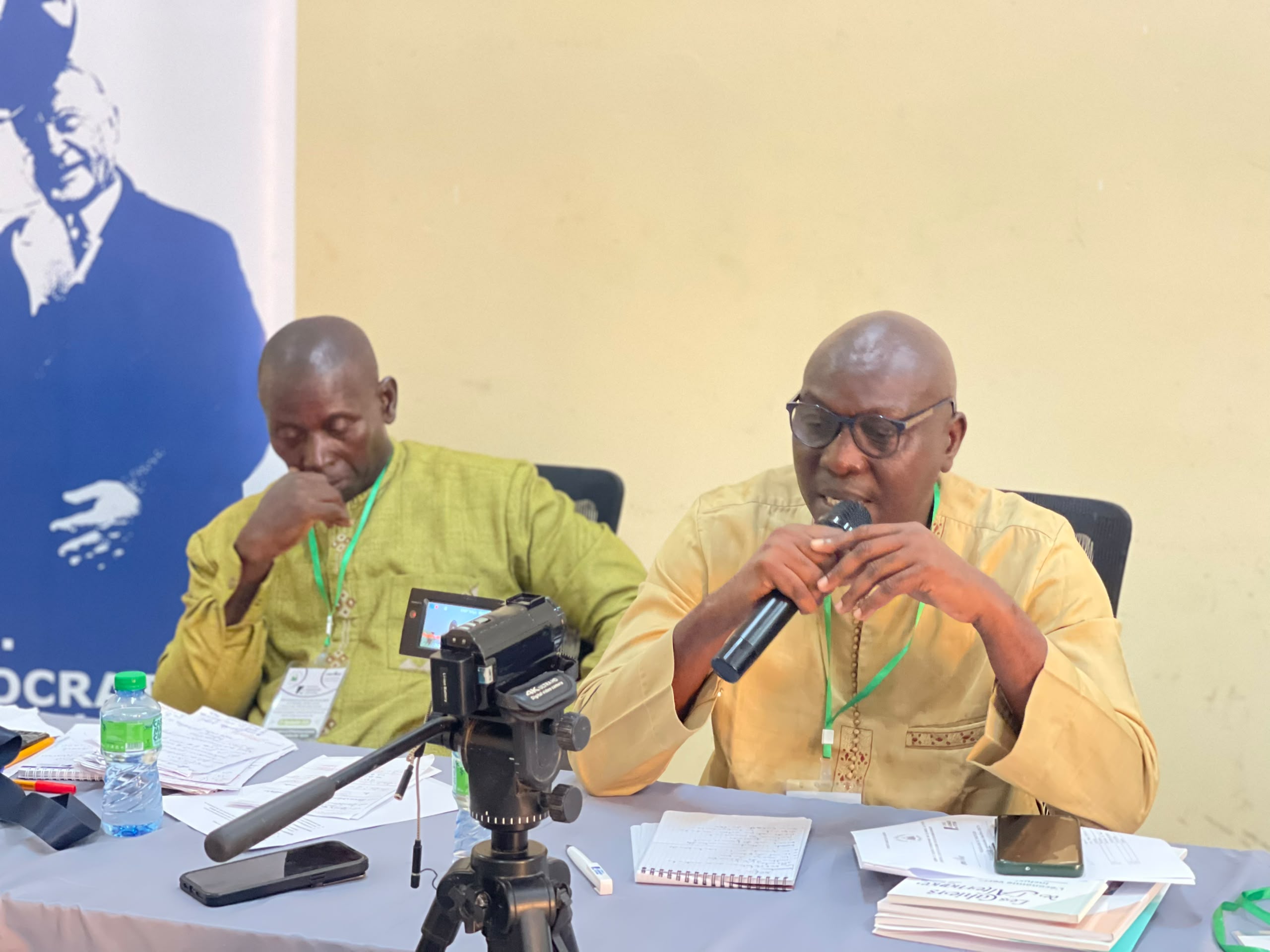
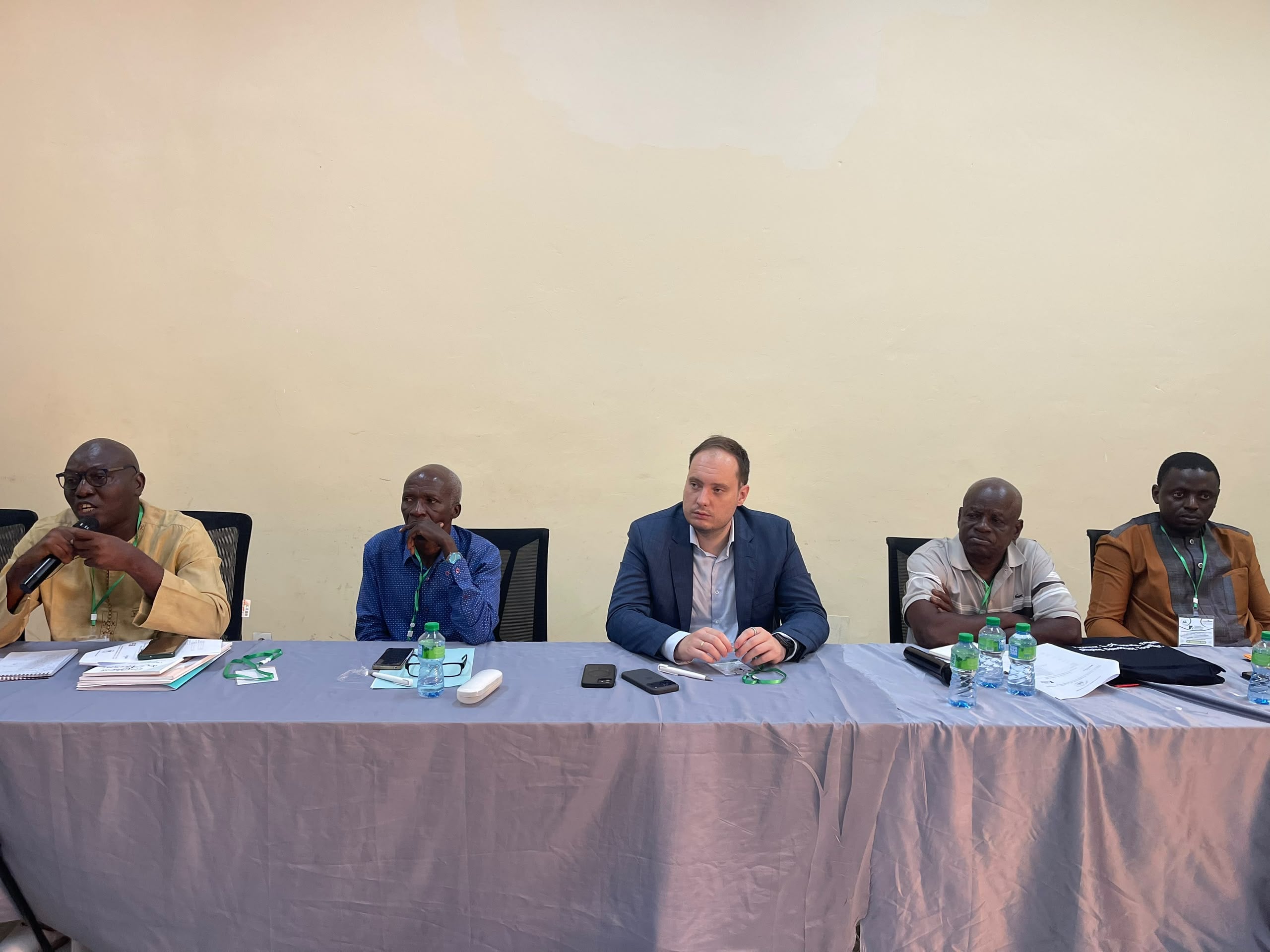
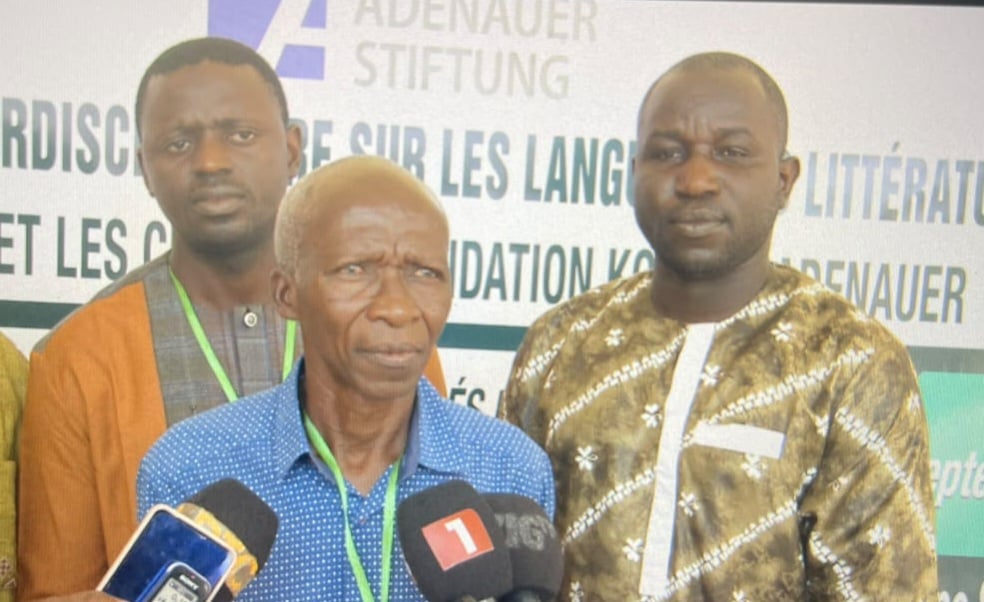
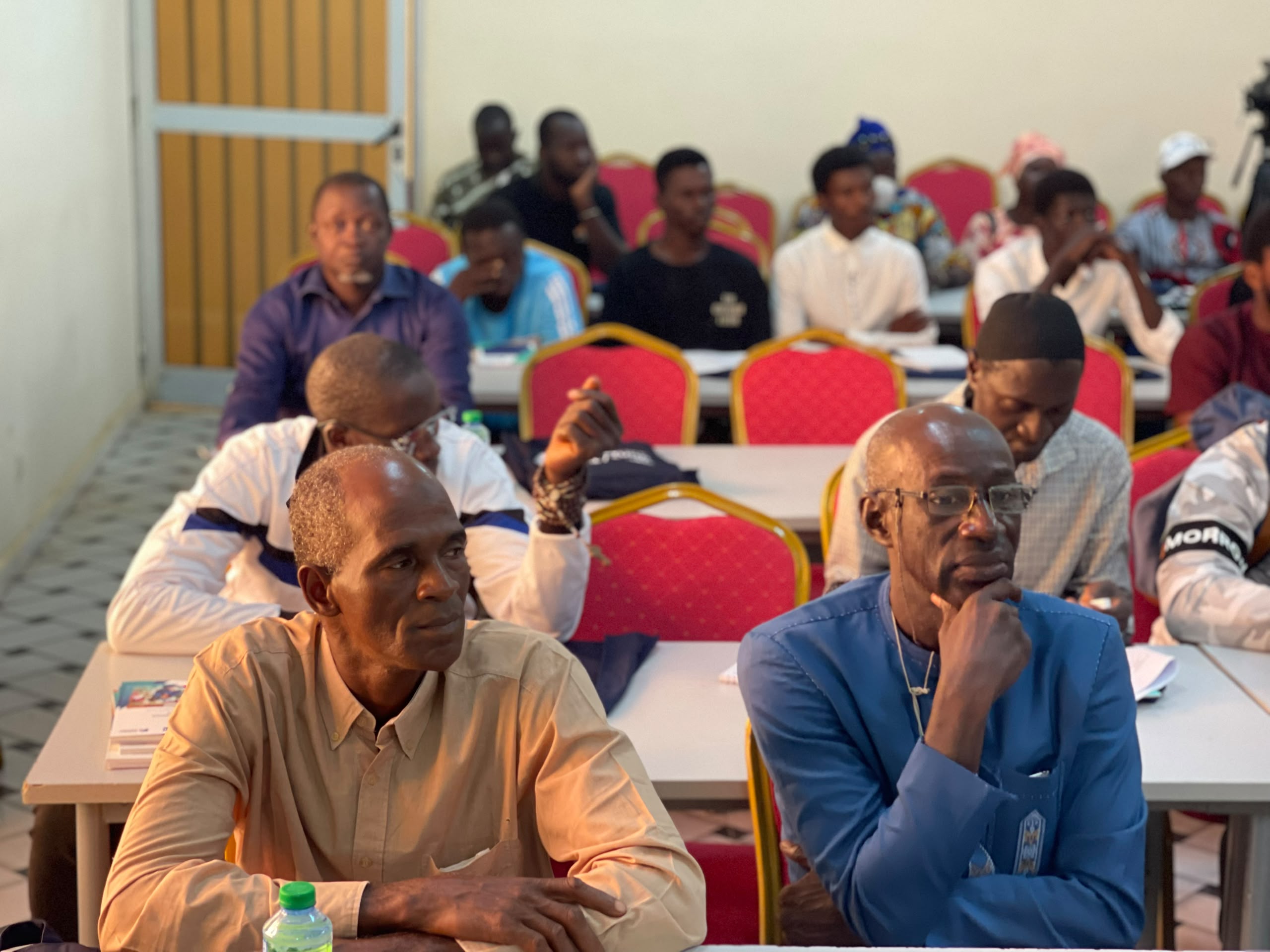
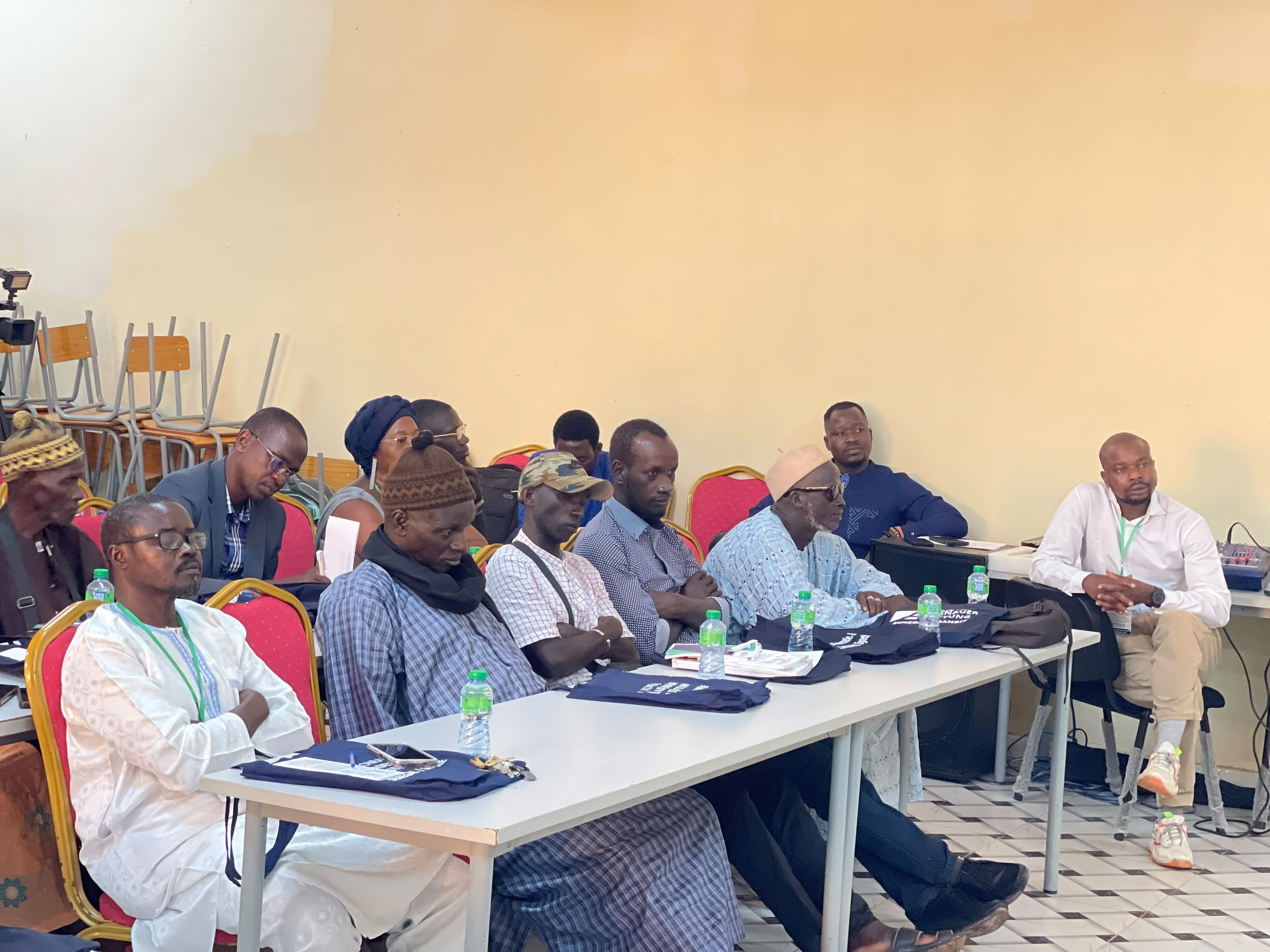
In Ziguinchor, the forum on the return of displaced populations held at Assane Seck University (UASZ) revealed the hopes but also the concerns that accompany post-conflict reconstruction. The presentations by Paul Diédhiou, a lecturer and researcher at UASZ, and Ousmane Massali, mayor of Yarang Balante, highlighted the persistent challenges: inadequate state support, land disputes, psychological trauma, and the need for economic alternatives.
Research professor Paul Diédhiou noted that this meeting is part of a long-standing collaboration between the Interdisciplinary Research Center on Languages, Literatures, History, Arts and Cultures (CREILHAC) and the Konrad Adenauer Foundation. For over five years, this center has been conducting research to anticipate crises related to the return of displaced persons and refugees. "The university must not be an ivory tower," he stated, emphasizing the need to engage with the realities of communities in order to offer appropriate recommendations.
The investigations conducted highlight shortcomings in state support, particularly through the Diomaye Plan for Casamance. Several border villages still do not feel the presence of the state. Difficulties related to civil registration, with children born in Guinea-Bissau lacking birth certificates, are creating precarious situations for families despite the reintroduction of mobile court hearings.
The researcher also raised concerns about the safety risks associated with cannabis cultivation. ANRAC has requested a socio-economic study from the university to propose viable alternatives for growers. "We can't tell them to stop without offering alternatives," he insisted, advocating for sustainable solutions.
Beyond the material aspects, the psychological dimension remains crucial. The traumas linked to the conflict continue to weigh heavily on individuals and communities. "People are experiencing the conflict internally. To reconcile populations, it is necessary to study the traumas and allow individuals to express what they have experienced," he added, emphasizing the importance of providing support to facilitate reconciliation.
The mayor of Yarang Balante, Ousmane Massali, gave an emotional testimony. He recalled that since 1997, the conflict has shifted eastward, severely impacting the Goudomp department and the Samine area. "Everyone has been affected," he declared, calling on local and central authorities to quickly resolve the crisis. Despite the devastation, he remains hopeful: "I have hope. The work being done on the ground is commendable, and the documents submitted to the authorities should lead to decisive action."
The state, for its part, has undertaken actions: dismantling certain bases by the army, rebuilding schools and health posts, and drilling wells. But these efforts remain uneven: some villages are benefiting from these projects, while others are still waiting. For those involved, it is urgent that the state strengthen its presence in order to reassure the population and stimulate development.



















Commentaires (3)
Participer à la Discussion
Règles de la communauté
💡 Astuce : Utilisez des emojis depuis votre téléphone ou le module emoji ci-dessous. Cliquez sur GIF pour ajouter un GIF animé. Collez un lien X/Twitter, TikTok ou Instagram pour l'afficher automatiquement.
Se connecter
Commentez avec votre profil, votre photo, et soyez averti des réponses.