
Conflit en Casamance : La lecture géopolitique du Général El Hadj Babacar Faye dans sa thèse de Doctorat
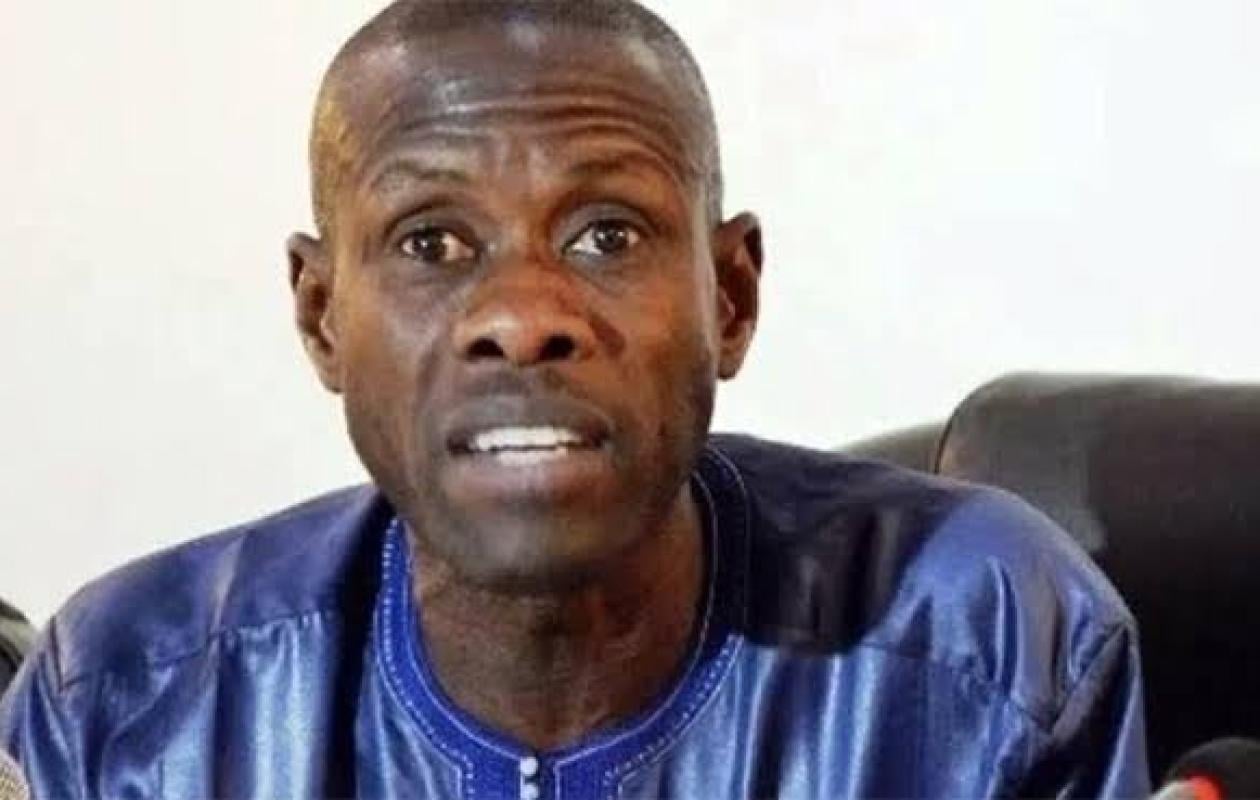
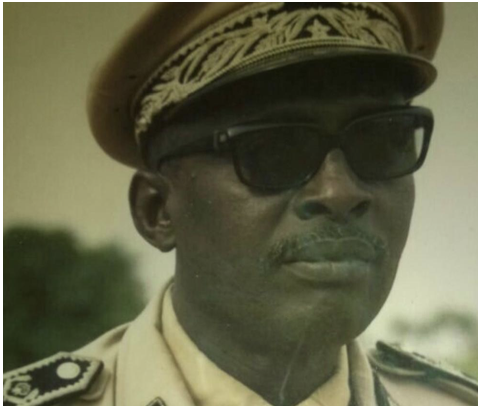
What if resolving the crisis in Casamance required less military intervention than a deeper understanding of the human, cultural, and geopolitical realities fueling the conflict? This is one of the central questions explored in the doctoral thesis defended this Monday by General El Hadj Babacar Faye, a specialist in counter-terrorism and peacekeeping operations. Entitled "The Conflict in Casamance: A Geopolitical Perspective on Human Security and Sub-Regional Dynamics," this research offers a multidimensional re-examination of a decades-old conflict.
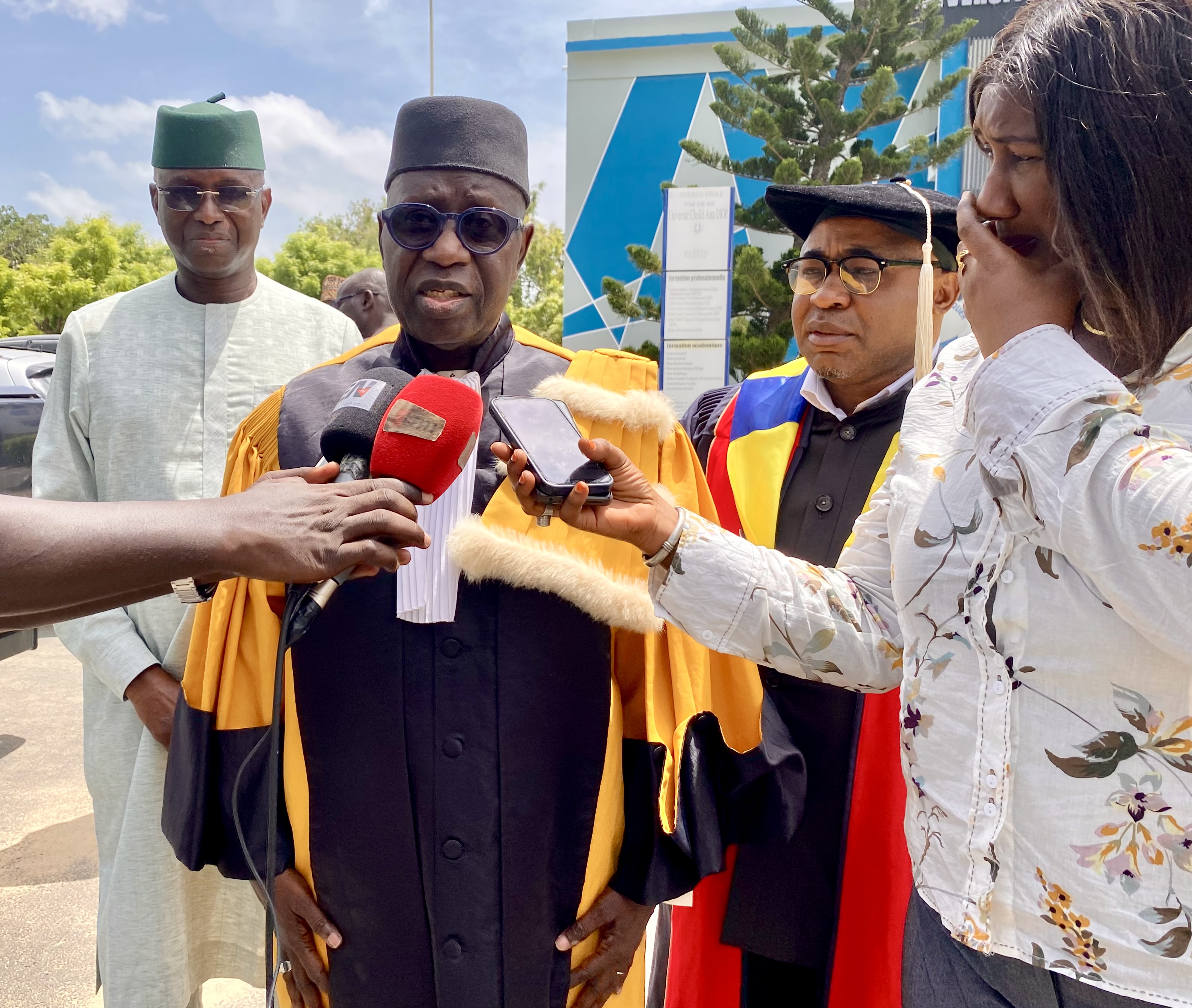
The choice of subject was not accidental. It is directly linked to the general officer's field experience. During his forty-year military career, General El Hadj Babacar Faye made several trips to Casamance. From Ziguinchor to Kolda, passing through various localities in the region, he was confronted with the reality of the conflict and its consequences for the population.
This immersion allowed him to observe a reality that gradually shaped his thinking: behind the clashes, the demands, and the military considerations lies a population facing daily problems of security, development, and survival. "I realized that, for the most part, people didn't even know why they were fighting," he explains.
This observation forms one of the starting points of his thesis. For General Faye, understanding the Casamance crisis requires a shift in perspective. It is no longer enough to focus solely on the armed actors or the power dynamics between the state and the resistance fighters. It is also essential to examine the living conditions of the population.
Human security as a key to understanding
The concept of human security thus occupies a central place in the researcher's approach. From this perspective, it is not limited to the absence of fighting or the presence of defense and security forces. It also refers to the ability of populations to live with dignity (access to healthcare, food, water, freedom of movement, work, and development in a healthy environment).
It is precisely the absence or inadequacy of these conditions that, according to General Faye, can contribute to fueling frustrations and further weakening populations. The question of development thus appears inseparable from that of peace. A security policy that is not accompanied by a concrete improvement in living conditions risks failing to address the deep roots of the crisis.
The crisis cannot therefore be analyzed solely through economic or military indicators. It must also be placed within its historical and cultural context.
This dimension aligns with the analysis of Professor Ibou Sané, a tenured professor at Gaston Berger University in Saint-Louis and General Faye's thesis supervisor. According to him, understanding the conflict must incorporate the cultural diversity of Casamance as well as the role of young people and women.
Professor Sané also believes that resolving the crisis must go beyond a purely military approach. A security response alone cannot suffice to settle a conflict that has become entrenched.


















Commentaires (1)
Participer à la Discussion
Règles de la communauté
💡 Astuce : Utilisez des emojis depuis votre téléphone ou le module emoji ci-dessous. Cliquez sur GIF pour ajouter un GIF animé. Collez un lien X/Twitter, TikTok ou Instagram pour l'afficher automatiquement.
Se connecter
Commentez avec votre profil, votre photo, et soyez averti des réponses.