Qualité améliorée avec l'intelligence artificielle
Senegal is struggling to convert its youth into a driver of economic growth. According to the latest demographic dividend monitoring reports, the national index stands at 48.3%, below the required threshold of 50%. This result masks deep regional disparities: while Dakar, Thiès, and Ziguinchor are faring well, the Matam region is lagging behind with a critical score of 9.7%. Between economic dependence that extends up to 29 years and calls for an emergency plan in the North, experts and authorities are urging a thorough reform of vocational training and employment.
With a national index of 48.3%, Senegal is still struggling to transform its demographic potential into genuine economic wealth. While Dakar, Thiès, and Ziguinchor have surpassed the symbolic 50% mark, the Matam region is lagging dangerously behind, sharply reigniting the debate on territorial inequalities and the urgent need for youth employment.
Senegal is still far from fully exploiting the economic opportunity offered by its demographic structure. With a Demographic Dividend Monitoring Index (DDMI) of 48.3%, the country remains below the critical threshold of 50%, considered the minimum required to capitalize on the national human capital. Behind this national average lie profound regional disparities. Matam, with a particularly meager score of 9.7%, stands out as one of the most vulnerable territories in the country. This worrying finding was highlighted during the workshop presenting the demographic dividend monitoring reports at the national and regional levels, covering Dakar, Kaolack, Diourbel, and Thiès.
Speaking at the event, Abou Bâ, head of the Population Division at the Directorate for Human Capital Development (DDCH), detailed the constraints linked to the burden of economic dependency. According to the data presented, the average Senegalese person remains economically dependent until the age of 29. The working-age population only enjoys a period of financial autonomy between the ages of 30 and 61, before falling back into dependency from the age of 62 onward. In short, only the 30-61 age group bears the entire economic burden of the other segments of the population.
This situation acutely raises the question of early and skills-based integration of young people into the workforce. For Abou Bâ, the answer lies in a restructuring of the education system focused on professional skills. He specifically recommends accelerating vocational training as soon as students obtain their Brevet d'fin d'études moyennes (BFEM), in order to reduce periods of inactivity and hasten the financial independence of young graduates.
Matam : The urgent need for a special development program
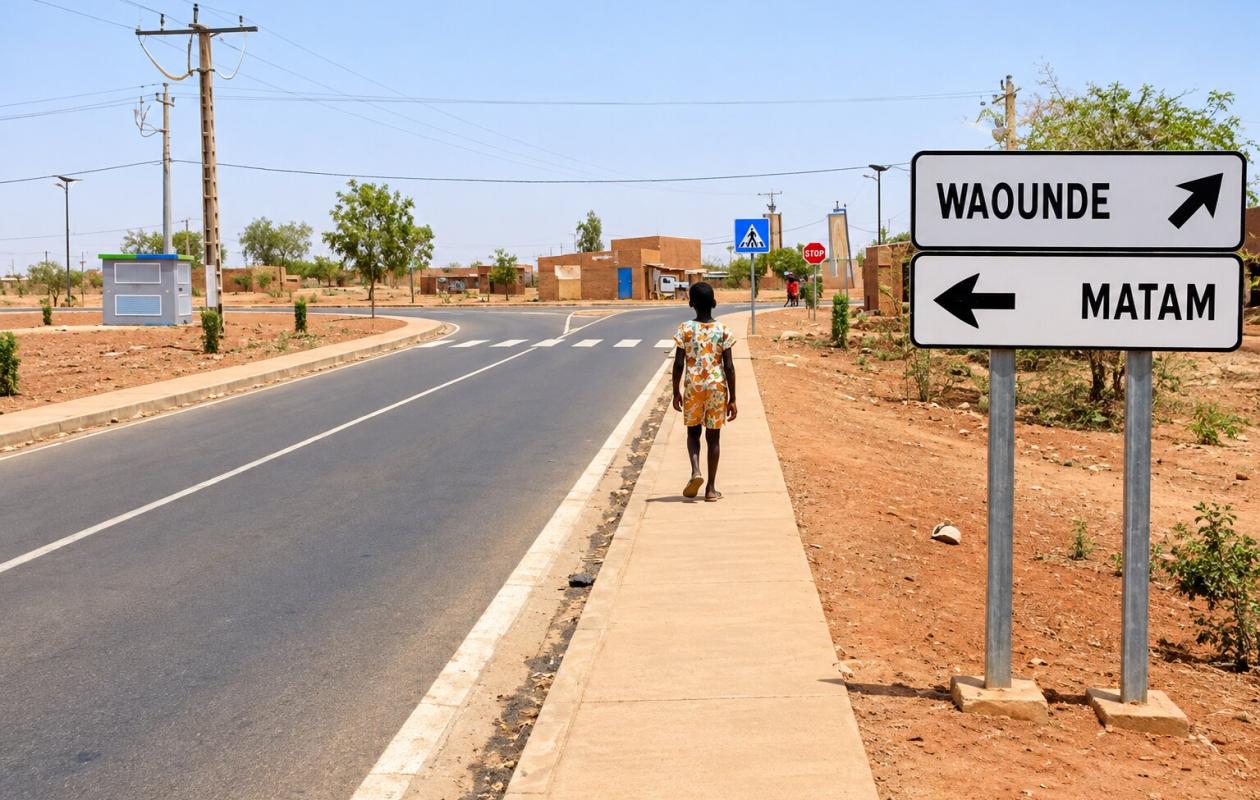
However, it is Matam's trajectory that is causing the most concern. With a DDMI (Global Development and Integration Measure) stuck at 9.7%, the North lags far behind the hubs of Dakar, Thiès, and Ziguinchor, all of which exceed 50%. This poor performance reflects the chronic inability of local labor income to cover households' basic consumption needs. According to the head of the Population Division, Matam urgently requires a special territorial development program to address its infrastructure deficit.
The situation appears all the more paradoxical given that the Matam region is rich in first-rate natural and agricultural resources, including phosphate deposits, considerable dairy potential, and significant market gardening production. Abou Bâ therefore advocates for the implementation of a genuine policy of local industrialization and processing of raw materials. Such an approach would generate sustainable jobs, boost household incomes, and strengthen the economic autonomy of local populations.
Human potential that urgently needs to be transformed into drivers of growth
Presiding over the opening ceremony on behalf of the Minister of Economy, Finance, and Planning, the Prefect of the Pikine Department, Hamdy Mbengue, emphasized that the demographic dividend is not an automatic benefit. Its realization depends entirely on the government's ability to transform the demographic transition into an engine of growth through massive investments in education, health, and employment. The prefect also stressed the daunting challenges facing the Dakar region, which is grappling with rapid urbanization, a high concentration of young people seeking decent jobs, and constant pressure on transportation, housing, and social services.
For his part, the UNFPA representative, Younoussa Camara, called for a decentralized framework for interpreting the indicators. According to him, national aggregates should in no way obscure territorial disparities. The most disadvantaged regions require targeted investments in education, reproductive health, and youth economic empowerment. Developed with technical support from the Center for Research in Applied Economics (CRES), these reports aim to provide policymakers with evidence-based data to correct current trajectories. The fundamental challenge now lies in translating these findings into concrete public policies: with a national index of 48.3% and a region like Matam on the verge of falling behind, Senegal still has a significant task ahead to transform its youth into a driver of prosperity.






















Commentaires (16)
donc avec tous les votes nedokobandoumique leurs parents n'ont rien foutu là-bas où le desert gagne du terrain
C'est n'importe quoi.
Source Gallup.
En 2012 : 29% des africains souhaitaient quitter leurs pays. -
En 2022 : 37%. La plupart des africains n'ont pas d'espoir sur leur avenir. D'autres sont résignés. -
Les discours trompeurs doivent cesser.
Le dividende démographique est une escroquerie.
Le chômage, l'émigration clandestine, les mendiants dans nos rues et même la menace terroriste sont des conséquences de la forte croissance de la population.
Un jour, des politiciens courageux diront à visage découvert cette évidence. En attendant, les pays d'Afrique sombrent dans toutes sortes de difficultés.
L'Afrique doit AVANT TOUT réduire le taux de natalité pour prétendre aller vers le développement.
Participer à la Discussion
Règles de la communauté
💡 Astuce : Utilisez des emojis depuis votre téléphone ou le module emoji ci-dessous. Cliquez sur GIF pour ajouter un GIF animé. Collez un lien X/Twitter, TikTok ou Instagram pour l'afficher automatiquement.
Se connecter
Commentez avec votre profil, votre photo, et soyez averti des réponses.