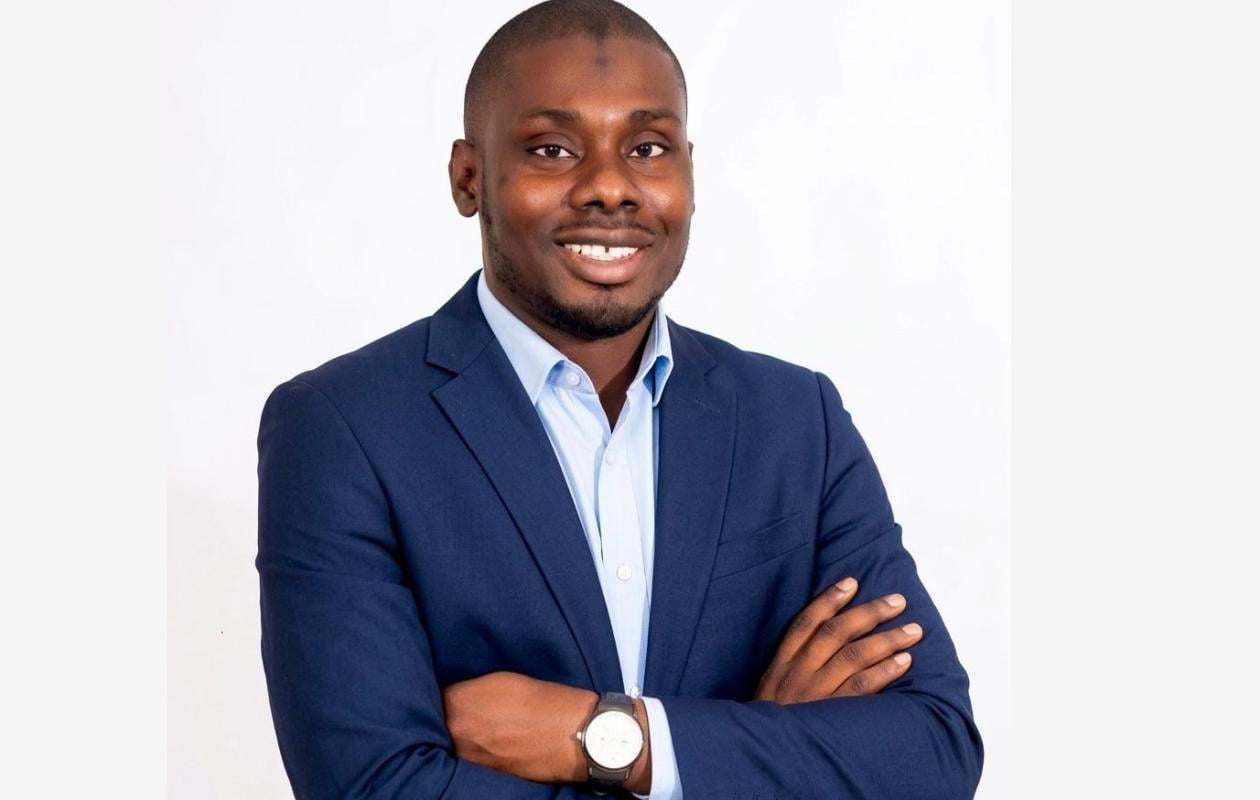
KEUR MASSAR : « NOUS SOMMES 700 000 HABITANTS ET NOUS N’AVONS MÊME PAS D’HÔPITAL », Le CRI D’ALARME DE MOUHAMADOU MOUSTAPHA SEYE
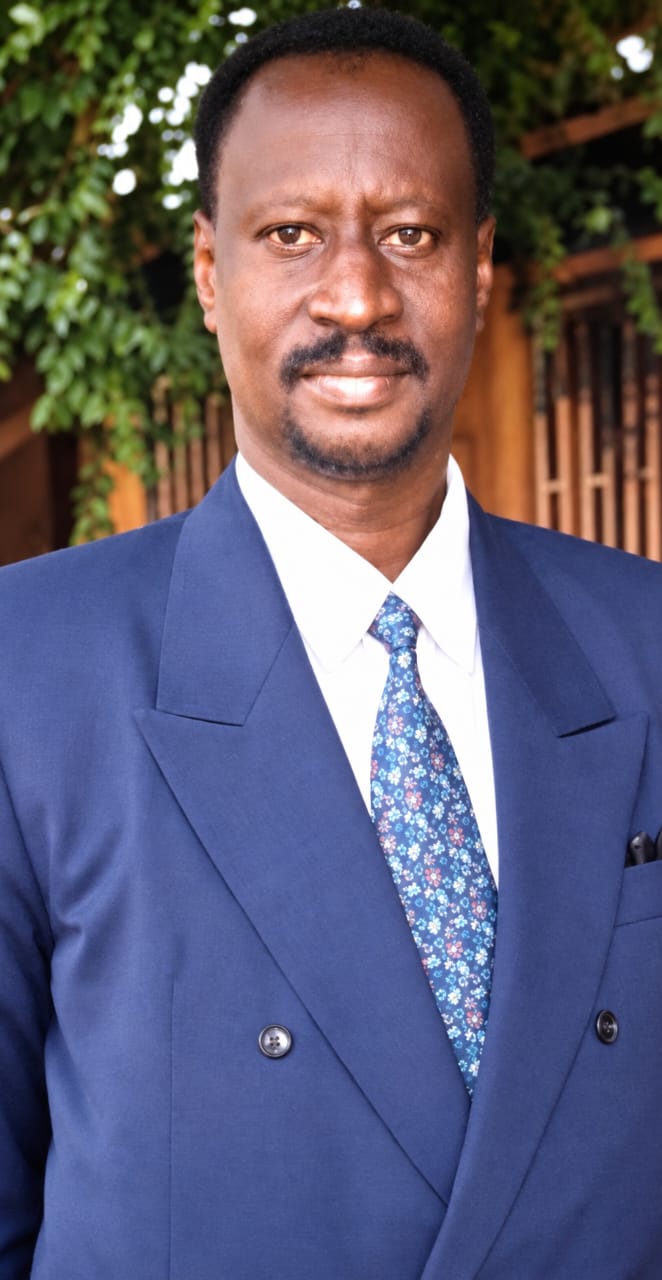
They had come to donate blood to save lives. But in Keur Massar, this civic action primarily served to highlight another urgent issue: that of a population facing a lack of healthcare infrastructure, flooding, and the absence of sports facilities. Mouhamadou Moustapha Sèye, coordinator of the Déffé Nénén movement and head of ALSAR in Keur Massar, is calling on the authorities to take action.
Giving blood to save a life. The gesture is simple. But behind the bags of blood collected, another reality emerged in the discussions: the daily struggles of the people of Keur Massar.
On the occasion of this blood donation day organized by the Déffé Nénén movement, in collaboration with ALSAR, Mouhamadou Moustapha Sèye chose to speak about the urgent needs of his region. "It's a simple gesture, but profoundly human. It's an act that reflects civic engagement."
This mobilization is a response, in particular, to the call launched by health authorities to bolster blood supplies. But for Séye, civic engagement should not stop at blood donation.
"We don't even have a hospital."
This is one of his main grievances. Keur Massar, a densely populated department, continues to face a shortage of hospital infrastructure. According to ANSD data for 2024, the department was then the only one in the Dakar region without a public hospital.
For Mouhamadou Moustapha Sèye, the consequences are direct for the population. “We only have health posts, and for such a large population – 700,000 inhabitants in the Keur Massar department and 102,000 in the Keur Massar Sud municipality – this is a problem. Our patients are forced to be referred to the Main Hospital or Le Dantec. It’s risky because it’s a long journey. We want this to stop.”
He believes this situation weighs particularly heavily on families facing a medical emergency. "Given all these difficulties, the authorities need to reconsider the priorities of the residents of Massar."
Another recurring problem: flooding
Mr. Sèye acknowledges that sanitation is largely the responsibility of the state. However, he believes that local authorities can take action to alleviate the difficulties faced by residents while awaiting structural solutions. "The floods are still a problem. Even though we know it's not the municipality's responsibility, there's a feeling that the municipality should make an effort by providing water pumps, simply to provide relief."
For him, the fight must then continue through advocacy with the State to find a lasting solution to the sanitation issue. A problem which, in his view, goes far beyond the political sphere. "Since 2022, we have been advocating for the citizens' cause."
In Keur Massar, the lack of infrastructure isn't limited to health and sanitation. Sports are also among the concerns raised by the local politician. He particularly laments the absence of a stadium, preventing local teams from organizing their activities within the municipality. "We don't have a stadium in Keur Massar. We're forced to go all the way to Mbao to play in the Navétanes (local football leagues)."
Beyond the sporting issue, Mr. Sèye also sees it as an economic loss for the municipality. "This relocation from one municipality to another is a significant loss because it's revenue that goes to the other municipality when it could have stayed here in Keur Massar."
A member of a movement comprised of city councilors, former political figures, and candidates, Mouhamadou Moustapha Sèye also addressed the limitations of the role of local elected officials. "The role of a city councilor has its limits. All they can do is advocate for solutions to the concerns of the people. It is the mayor who implements the decisions."
According to him, this is one way to explain why certain concerns raised at the city council level are struggling to translate into concrete achievements.
His assessment of municipal management is harsh. He asserts that councilors make proposals during budget orientation debates, but that the results fall short of expectations. He acknowledges this assessment as stemming from his political analysis: "The results speak for themselves. The overall record is practically negative."
The alliance between Déffé Nénén and ALSAR, explains Mr. Sèye, is based on a shared desire to "act differently." He believes that the two organizations share a common approach focused on grassroots action and the concerns of the people. "We observed that ALSAR operates differently through its actions. It is a development party that focuses on activities related to development and addressing the problems of Senegalese citizens."
For the organizers of the event, blood donation is just the first step in a series of civic activities. Raising awareness about diseases and prevention is also among their upcoming initiatives, particularly with the approach of Breast Cancer Awareness Month (October) and Breast Cancer Awareness Month (November).
In Keur Massar, the message is clear: save lives with blood donations, but also raise awareness about the living conditions of those who live in this department. And for Mouhamadou Moustapha Sèye, the urgent need boils down to a simple equation: more healthcare, sanitation, and infrastructure for a population that continues to grow.


















Commentaires (8)
Participer à la Discussion
Règles de la communauté
💡 Astuce : Utilisez des emojis depuis votre téléphone ou le module emoji ci-dessous. Cliquez sur GIF pour ajouter un GIF animé. Collez un lien X/Twitter, TikTok ou Instagram pour l'afficher automatiquement.
Se connecter
Commentez avec votre profil, votre photo, et soyez averti des réponses.