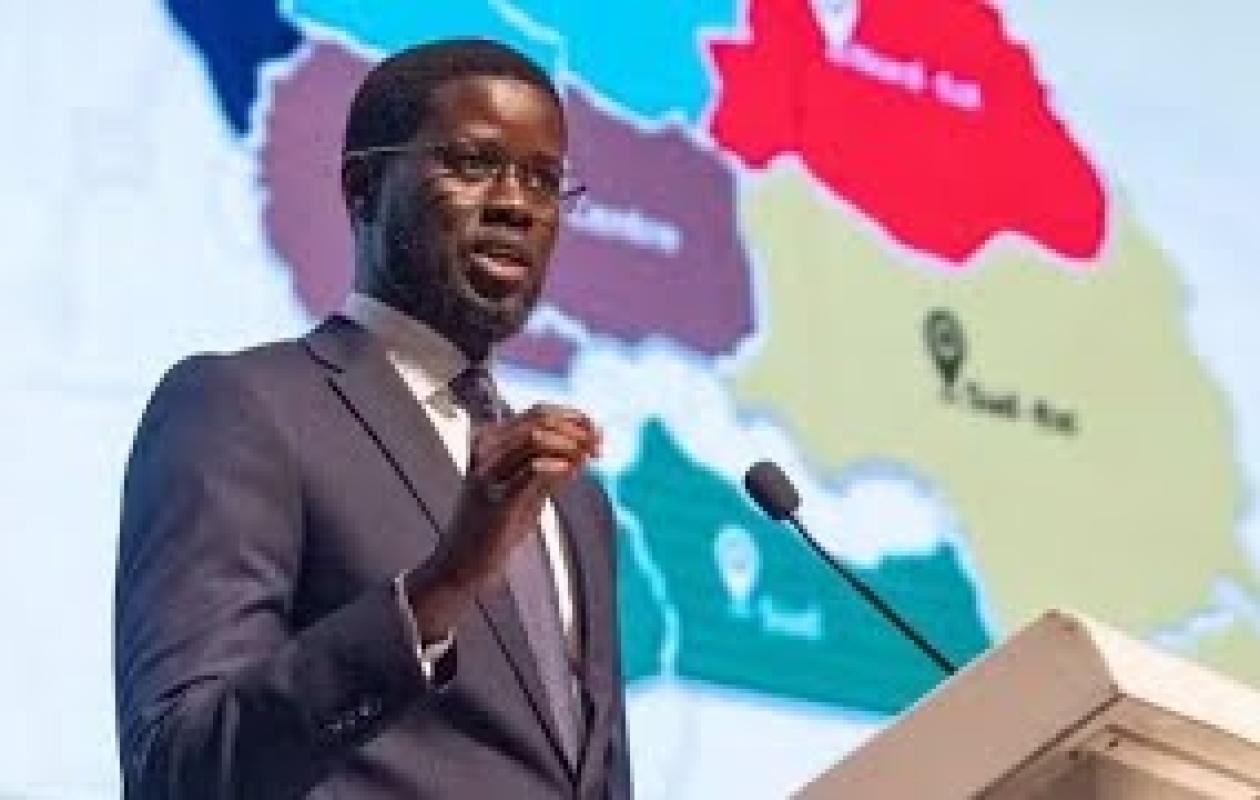
Réforme autour de l’Acte IV de la décentralisation et des pôles territoires : Bassirou Diomaye Faye dévoile son ambition et rassure les exécutifs territoriaux
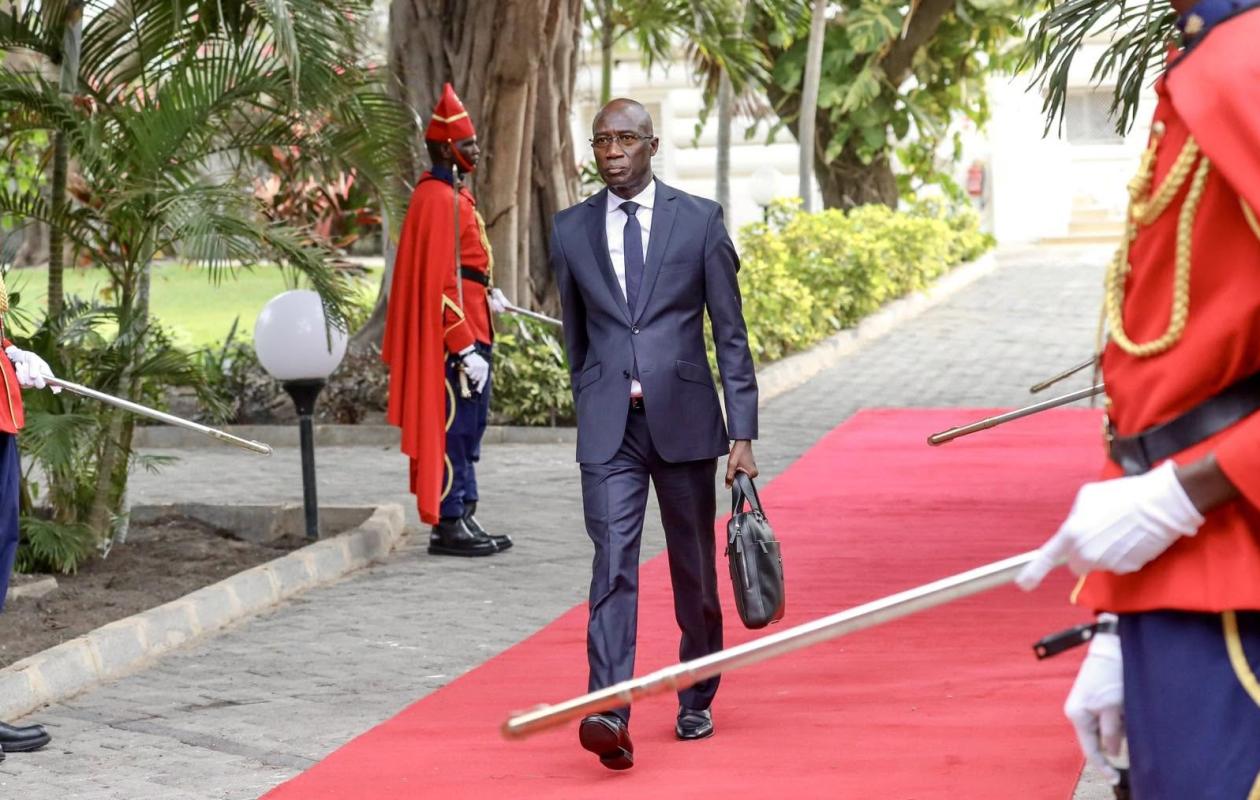
A national meeting with territorial executives, placed under the theme "The Consensus of the territories around the reforms of the territorial poles and the Act IV of Decentralization", opened this Thursday, July 2, 2026, at the Abdou Diouf International Conference Center (CICAD), in Diamniadio, under the chairmanship of the President of the Republic, Bassirou Diomaye Faye.
"The territorial hubs are not just another administrative structure."
During this meeting, which is part of the ongoing dialogue that the Head of State has held with all local elected officials during his visits to the territories, Bassirou Diomaye Faye revisited the challenges of the reform of Act IV of decentralization and the territorial hubs, while reassuring the territorial executives that these hubs do not eliminate any existing order.
“Senegal has embarked on an irreversible dynamic of systemic change that affects our development policies, but also our values and our daily actions. It is this dynamic that underpins and justifies the creation of territorial hubs. Essentially, it is about reviving the economic competitiveness of each territory, based on its real potential, by linking it to structuring programs and tools consistent with our planning instruments,” explained the Head of State, in the presence of the Prime Minister, Ahmadou Al Aminou Lô.
He adds: "You know that the transformation we are calling for cannot be decreed from Dakar. It is built with you, in your own land, as close as possible to the realities, as close as possible to the emergencies, as close as possible to the hopes of our fellow citizens."
According to Bassirou Diomaye Faye, the first three decentralization measures yielded significant results, but challenges remain. “Our country has undergone several decentralization processes. Each marked a milestone, each enabled real progress, and it would be unfair not to acknowledge this. But fidelity to this history also demands clear-sightedness. Responsibilities have remained fragmented, resources often insufficient, and too many of our fellow citizens still feel that the State has remained distant from their concerns and aspirations,” the President of the Republic asserted.
“The fourth phase that we are launching today is not just another administrative reform. It is a foundational act and an act of trust. It stems from a clear choice: to make our territories the true engines of national transformation. As such, we will give local authorities the effective means to exercise their powers, by sustainably strengthening their financial, human and technical capacities, in compliance with ethics and good governance,” he explained.
To achieve this ambition, the Head of State indicates that the territorial overhaul of his governance is structured around four major orientations. The first aims to modernize our territorial organization, strengthen the proximity of public action, and clarify the responsibilities of the various actors for a more transparent, coherent, and effective public action.
The second focus makes performance, territorial equity, and the strengthening of territorial engineering the guiding principles of our action. It should enable us to improve support for local authorities, promote local initiatives, and better measure the results achieved in each territory. The third focus concerns what underpins the very credibility of any decentralization policy: resources.
Finally, the fourth objective aims to promote cooperation between territories, the pooling of resources, transparency in local public management, and good governance. It is within this same framework that the reform of territorial clusters is being implemented, intended to become instruments of coherence, solidarity, and performance.
"The territorial hubs are not just another administrative structure."
Regarding the creation of the territorial hubs, President Faye sought to reassure everyone. "The territorial hubs are not just another administrative structure. They represent a balanced and pragmatic approach, fully compliant with our legal framework. They do not constitute a new level of local government, nor do they eliminate any existing order. They connect and strengthen them. They do not encroach on your powers; they intervene where isolated action reaches its limits and where pooling resources becomes necessary," explained Macky Sall's successor.
For him, the territorial hubs are instruments for coordination, resource sharing, and territorial development, designed to support integrated planning, structuring investments, economic promotion, and the mobilization of funding at the territorial level. "So, far from replacing territorial executives, they give you the means to act together, with greater efficiency," Bassirou Diomaye Faye reassured.











Commentaires (4)
Participer à la Discussion
Règles de la communauté
💡 Astuce : Utilisez des emojis depuis votre téléphone ou le module emoji ci-dessous. Cliquez sur GIF pour ajouter un GIF animé. Collez un lien X/Twitter, TikTok ou Instagram pour l'afficher automatiquement.
Se connecter
Commentez avec votre profil, votre photo, et soyez averti des réponses.