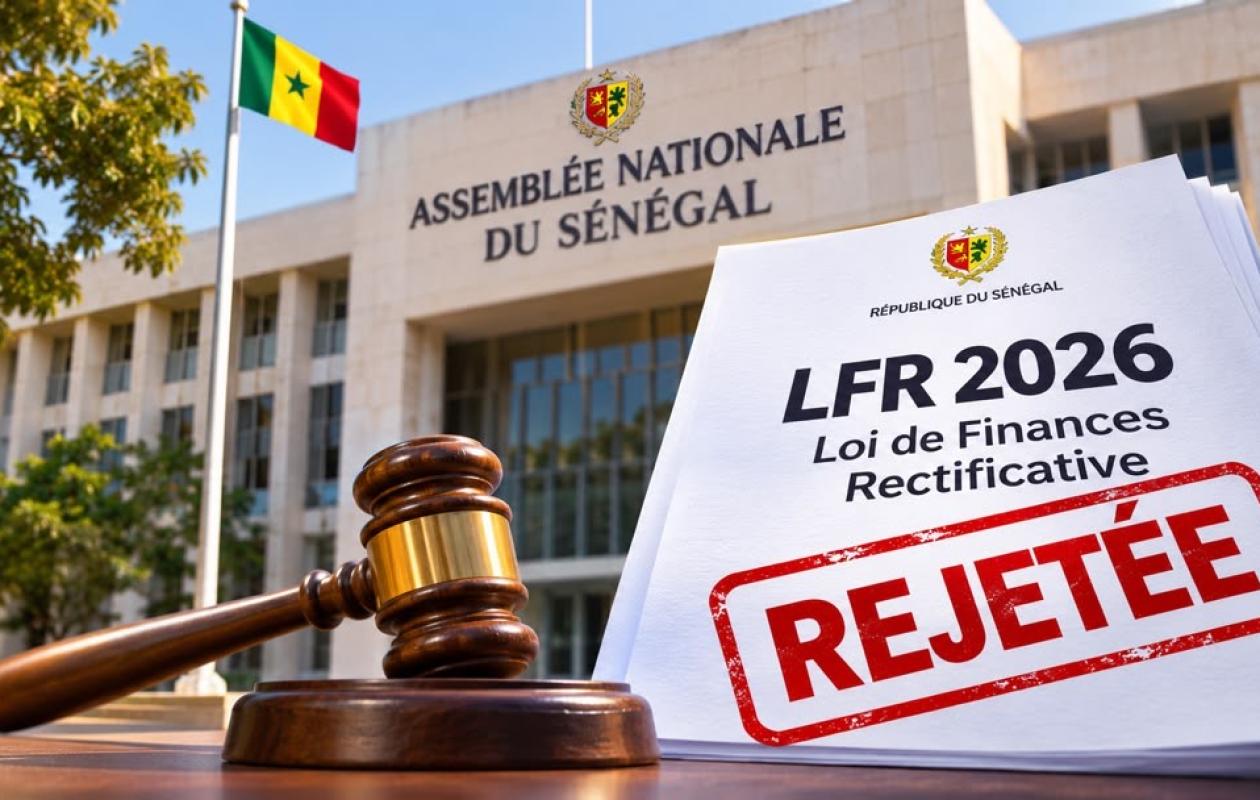
LFR 2026 : un rejet sans débat qui interroge la responsabilité des députés (Par David DIOP)
On November 3, 2026, the National Assembly rejected the 2026 amending finance bill. A major political decision, but a parliamentary sequence that leaves several questions unanswered.
Adopted by 109 votes against 20 and three abstentions, the preliminary question brought an end to the examination of draft law no. 40/2026, without any real general debate on its content.
Did the MPs have the right to reject this text? Absolutely. But could they avoid explaining to the Senegalese people the reasons for a decision that directly impacts public finances and the country's economic future?
That's the whole question.
This rejection comes amid a climate of tension.
The review process for the supplementary budget law had already been marked by disagreements within the finance committee. After two rejections, the government obtained, on October 27, a referral of the text back to committee in order to continue discussions.
The disagreements mainly concerned energy subsidies, social spending, public investments, debt and certain audits.
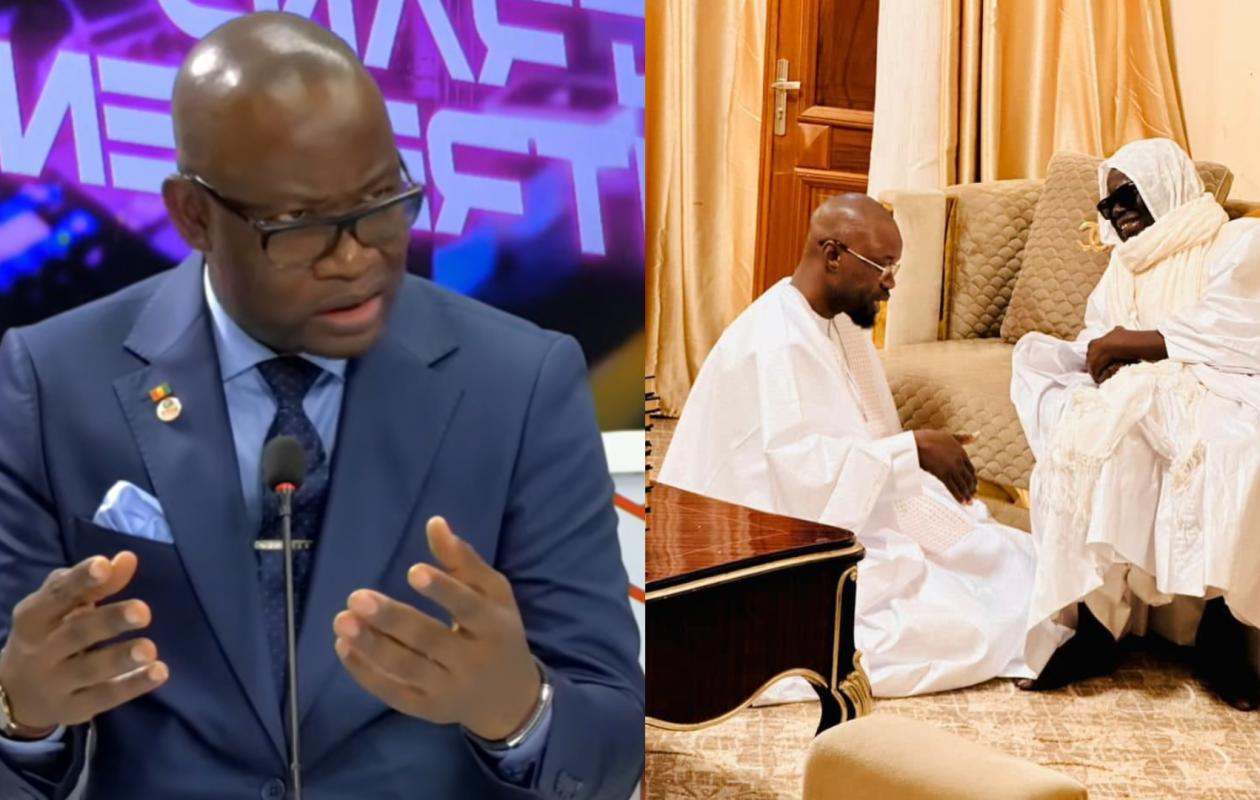
During the plenary session, the controversy surrounding the committee's report intensified. Finance Minister Cheikh Diba challenged certain elements of the document presented. Some members of parliament also raised concerns about possible alterations to the report.
These accusations, which require independent verification, deserved public clarification. Transparency regarding the commission's documents and work now appears essential.
The absence of the president of the National Assembly raises questions.
Another notable fact was the absence of Ousmane Sonko, President of the National Assembly, from the speaker's chair during this crucial session. The proceedings were chaired by the First Vice-President, Malick Ndiaye.
Although this substitution is provided for in the internal regulations, the presence of the president of the institution could have taken on a particular symbolic significance in a context of institutional tensions.
The role of parliamentary leadership is not limited to respecting procedures. It also consists of guaranteeing the conditions for adversarial debate and preserving the credibility of the institution.
The announced savings deserved a proper examination
The rationalization of agencies and semi-public structures was also an important issue in this finance law.
On March 4, 2026, the Council of Ministers announced a program involving 19 entities proposed for elimination and 10 others slated for repositioning. The anticipated net savings were estimated at 55 billion FCFA over three years.
These announcements, however, raised several questions: what savings have actually been achieved? What costs accompany these restructurings? What are the consequences for public services and human resources?
These are all issues that deserved a thorough parliamentary evaluation.
Behind the figures, the concerns of the Senegalese
An amending finance law does not only concern public finance specialists.
It directly affects state investments, energy subsidies, social spending and the financing of public services.
The government must explain its choices and answer questions. Parliament must fully exercise its oversight role.
But when the examination of a text stops before the debate on the substance, citizens lose the opportunity to understand the differences and to evaluate the arguments of the different parties.
Parliament must live up to its responsibilities
Rejecting the 2026 Finance Law can be defended as a political choice. However, it should not obscure the demands for accountability and transparency that accompany a parliamentary mandate.
The aim is not to ask MPs to systematically approve the government's proposals. It is to require them to examine the texts, compare the arguments, and explain their decisions.
The Senegalese people did not elect their representatives to witness political power struggles. They elected them to defend their interests, control the use of public resources, and participate in building the nation's future.



















Commentaires (2)
Nos députés ont été les seuls ,constants , claires malgré la rudesse du travail et le niveau de beaucoup d'entre eux ,dans cette affaire.
Les Sénégalais sont agréablement surpris par cette législature.
David Ce n'est pas comme ça qu'on se souviendra de vous!
Participer à la Discussion
Règles de la communauté
💡 Astuce : Utilisez des emojis depuis votre téléphone ou le module emoji ci-dessous. Cliquez sur GIF pour ajouter un GIF animé. Collez un lien X/Twitter, TikTok ou Instagram pour l'afficher automatiquement.
Se connecter
Commentez avec votre profil, votre photo, et soyez averti des réponses.