Anacarde, tourisme, mangue : Pourquoi le pôle Sud peine toujours à décoller malgré d'immenses richesses
The presentation of the monographic report on the southern region of Ziguinchor highlighted the paradoxes of a territory endowed with considerable resources, yet unable to transform them into genuine drivers of competitiveness. Conducted by the National Agency for Territorial Development (ANAT)—a public body responsible for designing and coordinating territorial development policies—the study provides the State and economic stakeholders with planning tools for a ten-year horizon. The presentations by Moussa Sall, coordinator of the Task Force for the Program for Improving Competitiveness and Employment (PACE), and Modou Mamoun Diop, Prefect of Oussouye, allowed for a precise identification of the challenges hindering the development of Ziguinchor and the southern region.
Moussa Sall reiterated that the PACE approach is based on structuring value chains, an essential condition for wealth creation. He cited the cashew sector as an example, where the region loses between 40 and 50% of the value of cashew nuts due to a lack of local processing. Processing industries, although present, struggle to secure regular supplies of raw materials, which weakens the entire production system. Statistics are not consistent between Ziguinchor and Sédhiou, further complicating control of the sector. " If you don't structure your value chains, you won't create development ," he emphasized, stressing the need to position the private sector at every link in the chain.
The report also highlights the paradox of the tourism sector. Despite 850 kilometers of coastline and exceptional ecotourism potential, Ziguinchor struggles to attract more than 10,000 visitors per year, a paltry figure compared to Senegal's national target of one million tourists. The region's chronic isolation is a major obstacle to its attractiveness. Reaching Ziguinchor by land often requires crossing into a neighboring country, which limits mobility, hinders investment, and stifles the development of local industries.
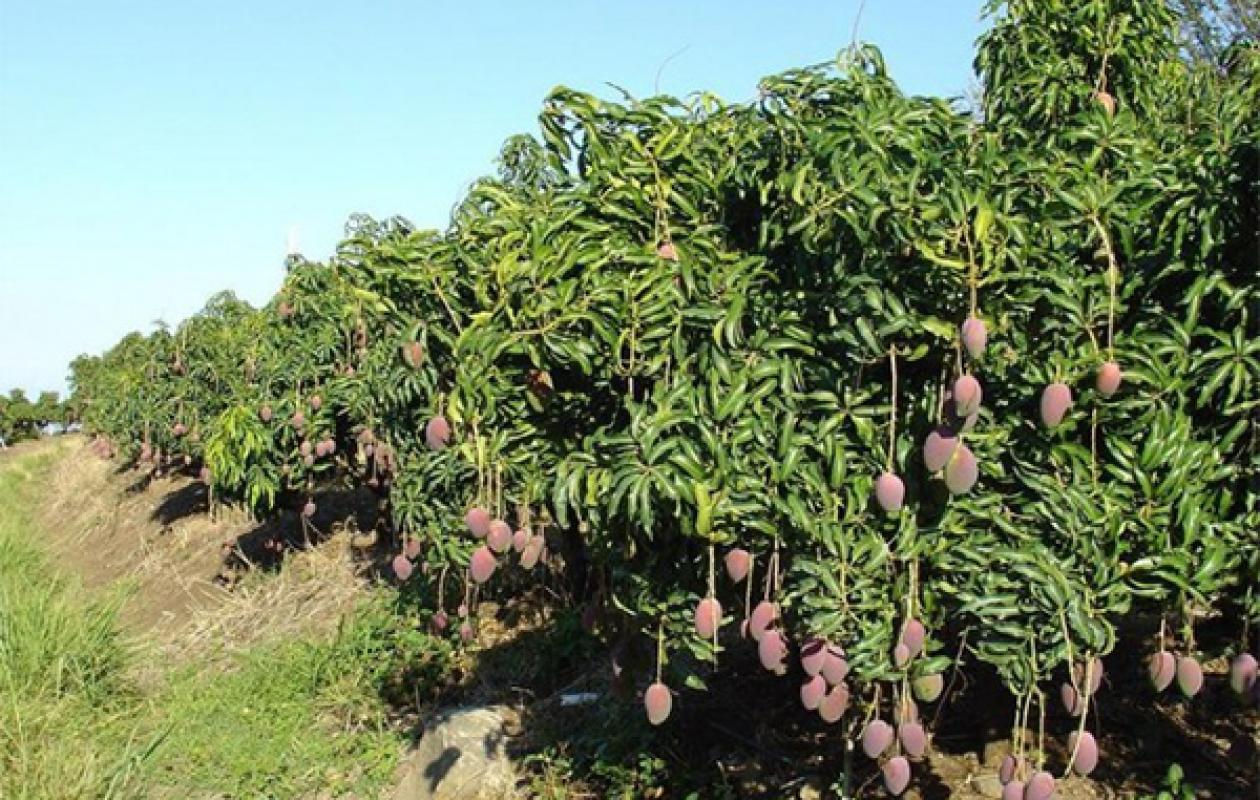
The Coordinator of the PACE Task Force also emphasized the need to design development around integrated clusters. The value chains of mangoes, peanuts, oilseeds, and cashew nuts transcend regional borders and require a coordinated approach between Sédhiou, Kolda, and Ziguinchor. He stressed that while Ziguinchor has some large, established companies, its SME sector remains fragile, requiring enhanced support to build sustainable economic ecosystems. The Directorate of Private Sector Development (DDSP), through its national development and investment strategy, intends to implement support plans to strengthen these sectors.

The Prefect of Oussouye, Modou Mamoun Diop, for his part, welcomed the significance of this monographic study, which allows for a better understanding of the territory's strengths and weaknesses. Representing the Governor of Ziguinchor, Mor Talla Tine, the administrative authority noted that the southern region faces significant infrastructural challenges. " To get here, one usually has to cross a neighboring country ," he emphasized, highlighting the region's isolation as a major obstacle. According to him, this study provides local stakeholders with a solid factual basis to guide decision-making and equips the government with relevant evaluation tools.
This monographic report on the southern region thus resonates as an urgent call to action. Without rigorous structuring of value chains, active promotion of ecotourism, and effective opening up of the region, Ziguinchor risks remaining on the margins of the national economic dynamic.






















Commentaires (1)
Participer à la Discussion
Règles de la communauté
💡 Astuce : Utilisez des emojis depuis votre téléphone ou le module emoji ci-dessous. Cliquez sur GIF pour ajouter un GIF animé. Collez un lien X/Twitter, TikTok ou Instagram pour l'afficher automatiquement.
Se connecter
Commentez avec votre profil, votre photo, et soyez averti des réponses.