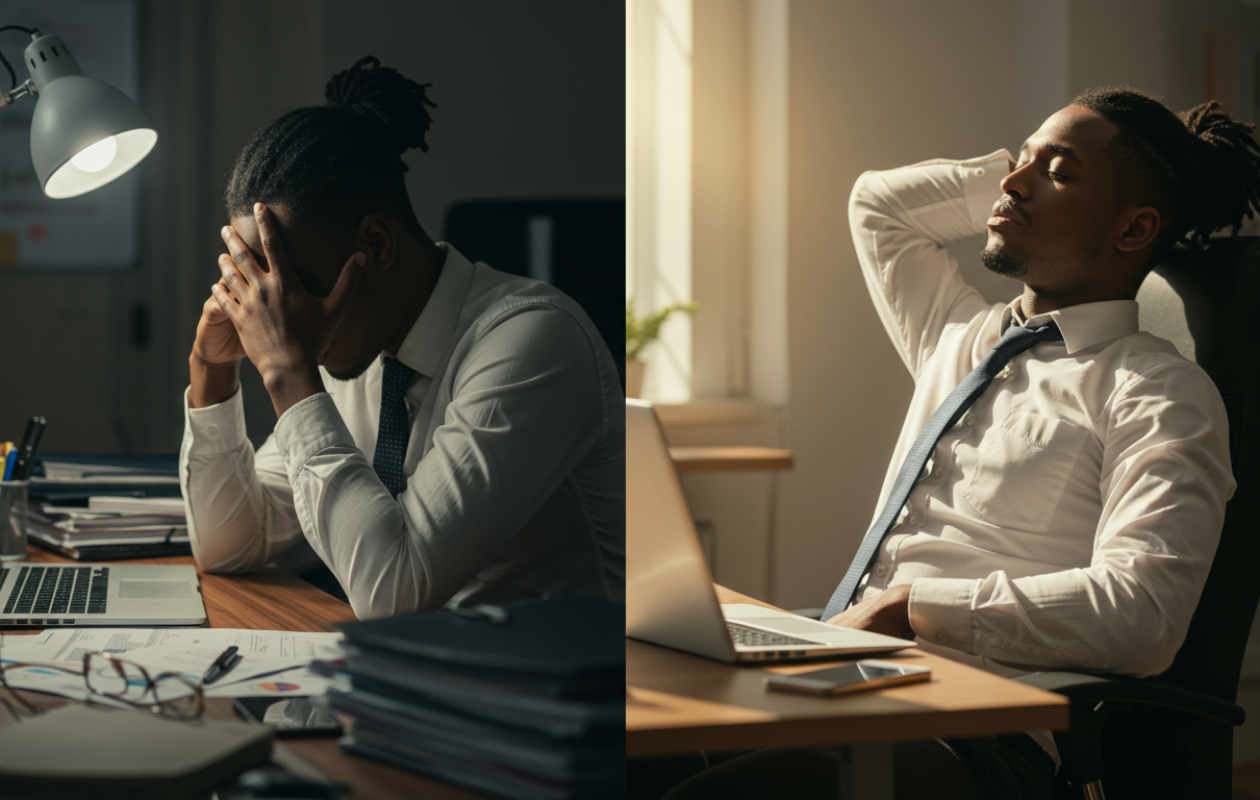
Santé (1/3) : Quand le rythme de travail piège les actifs dans la sédentarité
Between long workdays, professional constraints, and endless traffic jams, many working people struggle to maintain a regular exercise routine. In the first installment of this three-part health series on the harmful effects of a sedentary lifestyle, Seneweb delves into the daily lives of workers whose time-consuming activities are eating into the time they have for exercise, exposing their bodies to serious risks.
Lack of time for some workers frequently leads to a sedentary lifestyle. While some try their best to carve out free time for physical activity, combining sports and work remains a real challenge for the majority. Seneweb took a look at the daily lives of people whose work schedules encroach on their time for exercise.
Sitting for long hours in an office or workplace, then going home late only to repeat the same routine the next day: this is the daily reality for many employees who struggle to fit exercise into their schedules. This passivity paves the way for a sedentary lifestyle, a phenomenon with serious health consequences. Some even go months, or even years, without engaging in any physical activity.
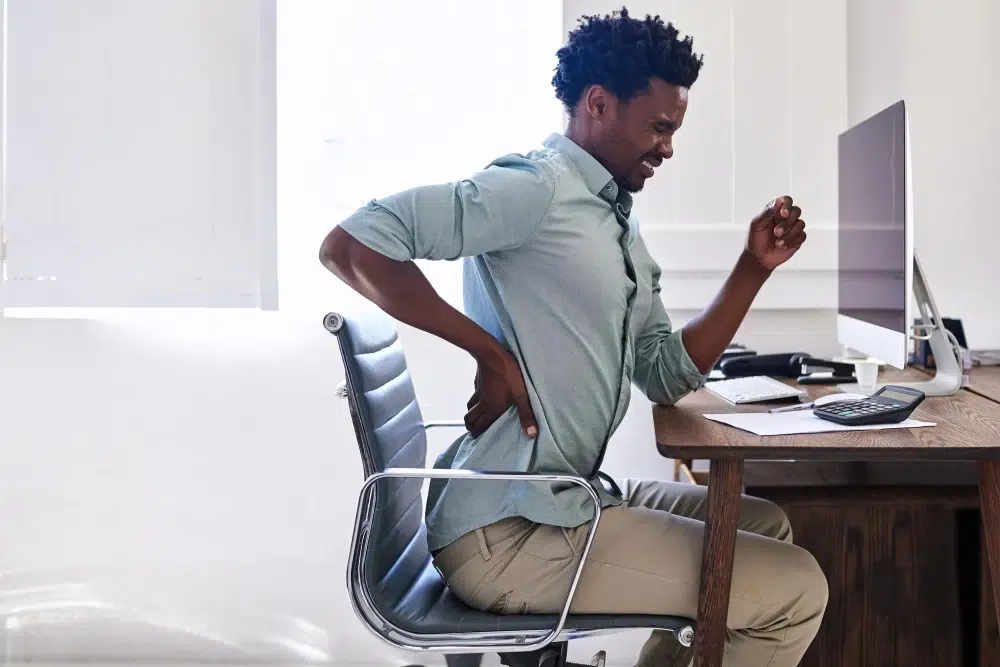
This is the case for Maguèye Seck, 35, an IT specialist who works full-time for a reputable company. He starts his day at 9 a.m. and finishes at 5 p.m., but due to massive traffic jams, he doesn't get home until around 8 p.m. "By the time I shower and eat, it's almost 10 p.m. I don't even have time to spend with my family," he says sadly. This sedentary lifestyle takes its toll physically: "I've noticed that I'm more flexible when I exercise regularly," the IT specialist explains.
When athletes look for alternatives
He is not the only one in this situation. Moussa Ndiaye (not his real name) also starts his day very early and comes home late. Sometimes, he finds it an alternative to "go to the beach to run a little and do some exercise before going home."
Others aren't confined within four walls, but face extremely demanding schedules that hinder their athletic pursuits. Tina Samb is a 24-year-old nurse with a passion for physical activity. "I'm a huge football fan, so I joined a football academy where I started training at 4 p.m. Unfortunately, when I began my state nursing studies, I had to stop. My classes start at 8 a.m. and finish at 6 p.m., at which point I go to my hospital placements."
Even though working in a hospital doesn't necessarily mean sitting for long hours, finding a balance between work and sport remains a challenge. And the difference is noticeable: "I was fitter when I was at the academy and I got sick less often too."
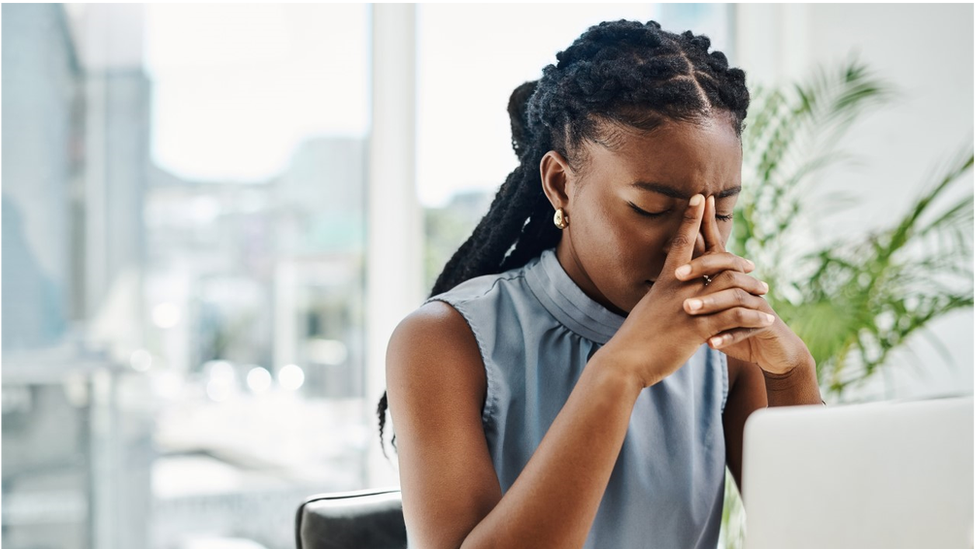
Due to a lack of time, journalist Awa Faye had also interrupted her training, but she quickly felt the consequences: “What bothered me most when I stopped because of lack of time was the weight gain. I had managed to achieve very good results and feel good about my body; seeing those efforts fade away really weighed on me. I didn't feel comfortable in my own skin at that time.” Fortunately, she found a way to resume exercising despite a very busy schedule.
The difference between training and not training is clear for athletes and is often noticeable even to those around them. "Now that I've resumed my training, the difference is striking. It's a real relief. I'm starting to get back into my good physical habits, my body is responding well, and I feel like I'm regaining my fitness and energy every day. Sport is doing me a world of good, especially after a day at work."
In light of this situation, some believe that employers and the higher education system should rethink the organization of time. While teachers regularly raise awareness of the benefits of sport—known to improve employee productivity—creating gyms in companies or offering more flexible working hours remains a complex challenge in Senegal, where numerous structural factors come into play.


















Commentaires (8)
On a tendance à penser que c'est le sport qui est nécessaire pour la santé alors que c'est l'activité physique qui est capitale. On confond les deux termes par abus de language : tous les sports ne nécessitent pas une activité physique (le scrabble est un sport cérébral par exemple) et toute activité physique n'est pas nécessairement un sport (monter les escaliers ou soulever un carton par exemple).
Donc il faut que les entreprises dans le cadre de leur démarche RSE et RH aménagent le mobilier de bureau pour qu'entre deux dossiers, une personne puisse par exemple faire des tractions ou puisse marcher un peu pour étaler les jambes, des écritaux doivent également être déployés pour encourager les travailleurs à employer les escaliers plutôt que les ascenceurs. Pourquoi pas recruter, surtout pour les grandes entreprises un coach mobilité itinérant, qui se déplace toute la journée entre les bureaux pour faire faire aux employés quelques étirements pendant 5 minutes.
Pour moi c'est surtout ce type de levier qu'il faut actionner. L'ouverture d'une salle de sport n'attirera que les sportifs, ceux qui sont de nature sédentaires vont continuer de rester dans leur bureau.
De plus, les entreprises doivent récompenser la bonne forme, qui leur permet d'économiser de l'argent qui aurait été perdu en arrêts maladie. Pourquoi pas établir une prime de bonne forme basée sur des critères objectifs de santé ?
C'est mon av
Il faut que les Entreprises tendent vers ce qui tu as énuméré au dernier paragraphe.L'entreprise a beaucoup à perdre si un de ses agnets n'est pas actif à 100 pour cent surtout ceux du privé.Encouager les agents à faire de l'aquagym ou du yoga
- "L’OMS recommande au minimum 150 minutes d’activité physique par semaine pour tous"
La priere, rentrerait donc bien dans la categorie ! Ca se voit que t'etais pas derriere Imam Sow, lors des nafilas d'1 heure.
Ceddo waa !!! 😂
Participer à la Discussion
Règles de la communauté
💡 Astuce : Utilisez des emojis depuis votre téléphone ou le module emoji ci-dessous. Cliquez sur GIF pour ajouter un GIF animé. Collez un lien X/Twitter, TikTok ou Instagram pour l'afficher automatiquement.
Se connecter
Commentez avec votre profil, votre photo, et soyez averti des réponses.