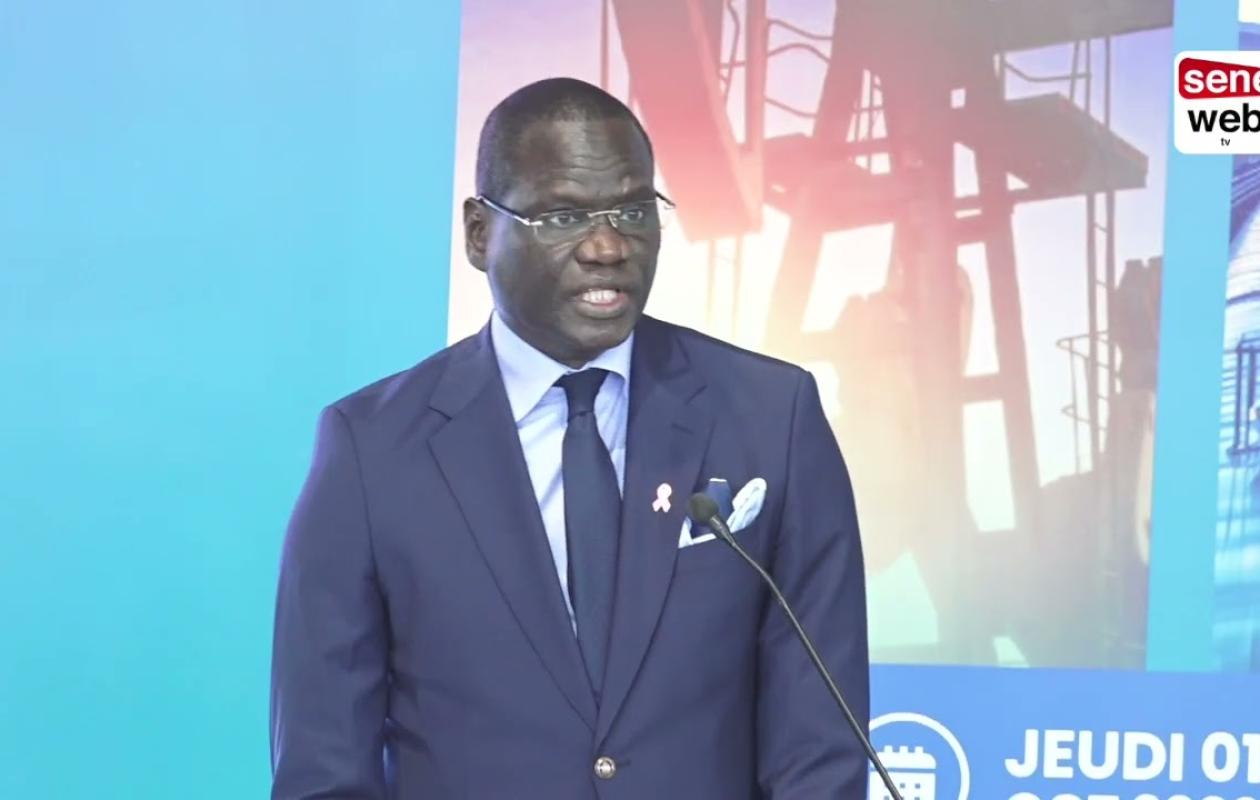
Energie et hydrocarbures au Sénégal : Le ministre Abdourahmane Diouf explique les enjeux, les réformes et les perspectives
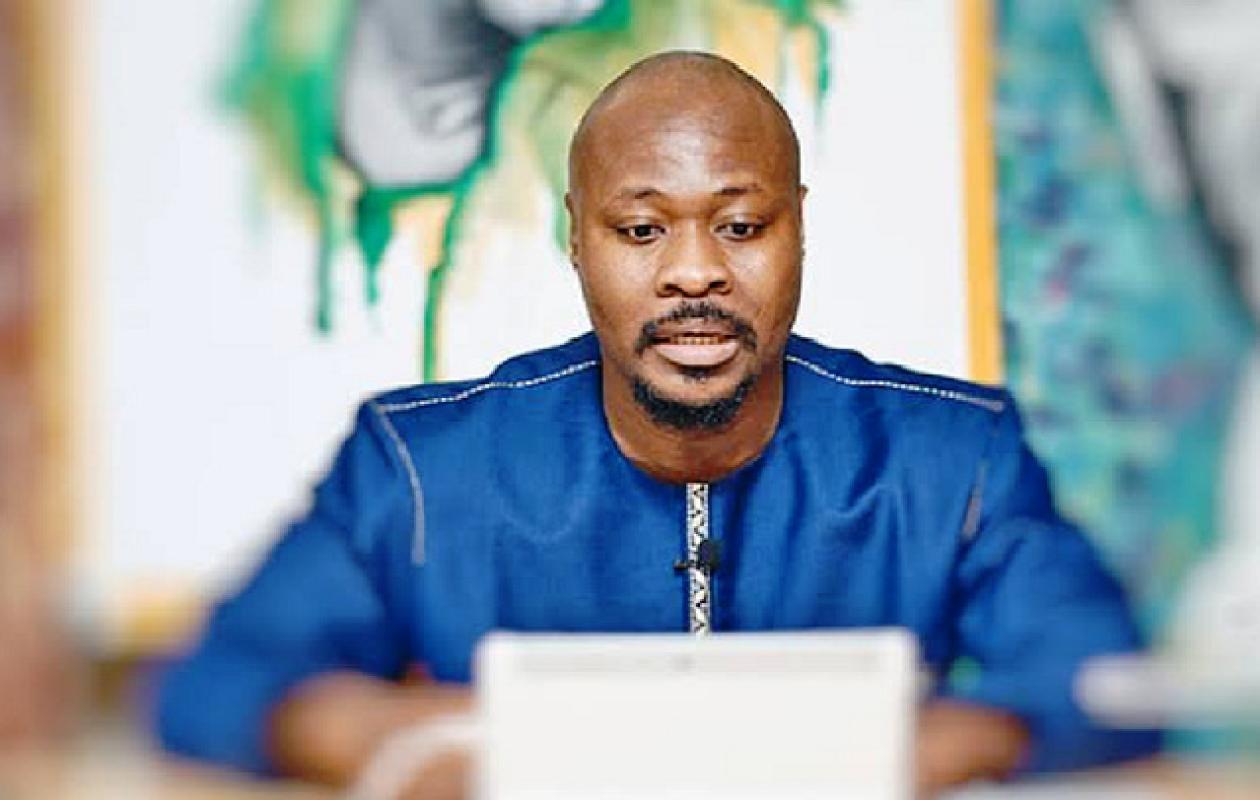
The Minister of Energy and Petroleum, Dr. El Hadji Abdourahmane Diouf, has chosen transparency and accountability in response to the numerous concerns of Senegalese citizens regarding the energy and hydrocarbons sector in Senegal. On Thursday, October 1, 2026, he organized a press breakfast on the theme: "Challenges, Reforms, and Prospects of the Energy and Hydrocarbons Sector." This meeting, held at the Museum of Black Civilizations in Dakar, also saw the participation of the Ministry's technical and operational bodies, namely: Senelec, Petrosen, SAR, and the Senegalese Gas Network, among others. The Director General of each of these entities addressed the challenges, reforms, and prospects of this strategic and complex sector.
"Transparency must become a method of governance."
During this direct exchange with journalists, which lasted over five hours, Minister Dr. El Hadji Abdourahmane Diouf maintained that information on energy and hydrocarbons in Senegal must be accessible, explained, and discussed; and that when difficulties arise, they must also be acknowledged and understood. "If we wanted to organize this breakfast meeting with the press, it wasn't simply to discuss current events in the energy and oil sector. It was primarily because we made a choice: the choice of transparency, the choice of education, and the choice to be accountable," emphasized the Minister of Energy and Petroleum.
He adds: "In a sector as strategic as energy, we believe that information should not remain locked away in administrative offices, boards of directors, technical reports, or expert circles. It must be accessible, it must be explained, it must be open to discussion; and when difficulties arise, they must also be acknowledged and understood."
According to Dr. Abdourahmane Diouf, transparency is not optional for them. “Transparency is not simply a communication exercise. It must become a method of governance. That is the spirit of this morning's meeting. We are not here to present you with a perfect sector, nor are we here to embellish figures and avoid difficult questions. We are here to tell you where we stand, what is working, what is not yet working sufficiently, what we are correcting, and above all, where we want to go. Because energy concerns seven (7) Senegalese people: it concerns the family that turns on the lights; it concerns the entrepreneur who needs to run their workshop; it concerns the industrialist who needs to produce at a competitive price; it concerns the farmer who needs energy to irrigate, process, and preserve; it also concerns our sovereignty, our industrialization, and our capacity to create jobs,” he explained.
"An electrical system is not simply a matter of adding up installed megawatts."
Regarding the electricity system, which has experienced disruptions in electricity supply in recent weeks, the minister indicated that Senelec has experienced tensions in the balance between supply and demand, unavailability of some production capacities and occasional difficulties related to fuel supply.
According to him, electricity demand is increasing rapidly, with a rise of over 12%, and peak demand reached 1,700 megawatts in August. At the same time, he added, Senelec's generation capacity has been significantly strengthened and now exceeds 2,300 megawatts. "This means that an electrical system is not simply a matter of adding up installed megawatts. It requires having the right capacity at the right time, fuel, available power plants, sufficiently robust grids, reserves, and anticipating increased demand. This is precisely what we are doing. Our objective is clear: to sustainably secure the country's electricity supply and progressively reduce the cost of electricity production in Senegal," explained Dr. Abdourahmane Diouf.
To achieve this, the minister believes it is necessary to accelerate the various projects. “We must accelerate several projects simultaneously: new production capacities, network reinforcement, storage, renewable energies, but above all, the transition to natural gas. This is the whole point of developing the Senegal Gas Network (RGS), with approximately 340 kilometers of planned gas pipeline that will allow us, in the future, to distribute our own gas to our power plants and industries,” he stated, adding that his ambition is not only to produce oil and gas but to transform our natural resources into competitive energy for our economy.
"The best subsidy is cheaper energy production."
The supervisory body also addressed the cost of electricity in Senegal, without any taboos. According to Dr. Abdourahmane Diouf, producing electricity costs money, transporting that electricity costs money, maintaining the networks costs money, investing in new capacity costs money, and when the actual cost of the system is not entirely borne by the consumer, the difference is covered by the State.
According to the minister, "a serious energy policy" must simultaneously meet three requirements: protecting the population, preserving public finances, and making the economy competitive. "We must therefore act on the very structure of the cost, and the best long-term subsidy is not an ever-increasing budgetary compensation. The best subsidy is cheaper energy production. That is why natural gas, renewables, energy efficiency, storage, grid modernization, and improving Senelec's performance are at the heart of our policy," the minister explained from the outset.
Achieving universal access to electricity by 2029
Regarding universal access to electricity, the Minister of Energy and Petroleum maintains that the national rate of access to electricity currently exceeds 86%. However, he believes there is only one acceptable rate: 100%. "Access to electricity is not a luxury. It is a prerequisite for education, for health, for local economic development, and for territorial equality," stated Dr. Abdourahmane Diouf.
In this regard, the minister announced that his ministry has launched an extremely ambitious program to achieve universal access by 2029, with a financial mobilization estimated at nearly 400 billion CFA francs.
Regarding oil and gas, the minister stated that the state aims to produce but, more importantly, to process it. However, he believes that governance of this sector needs reform to achieve long-term results.
Dr. Abdourahmane Diouf also indicated that his ministry is working on drafting an energy programming law for 2027-2031. According to him, this law will cover the entire sector: electricity, hydrocarbons, gas, renewables, energy efficiency, universal access, and major infrastructure. "Our aim is simple: we no longer want to manage our energy policy solely on a project-by-project or year-by-year basis. We want to integrate the sector's major priorities into a comprehensive multi-year trajectory, with clearly defined objectives, investments, financing, deadlines, and responsibilities. We also want to have mechanisms in place to implement these priorities quickly, while maintaining the requirements of transparency, oversight, and good governance," he explained.
In the hydrocarbons sector, the minister indicated that his department has also begun preparing a general hydrocarbons code. The aim here is to have, in the future, a coherent framework covering the entire value chain: exploration, production, gas, transport, storage, refining, distribution, and marketing.

















Commentaires (19)
Un docteur qui detourne des centaines de millions au ministere de l'enseignement superieur qui lui a pourtant accorder la possibilite de sont titre clame en longeur de journee dokhottor gres a gres surfacturation. Truend bou aam doctorat swiss - welcome to Senegal pour evouluer en mode menteur imposteur et surfactureur sans honte.
Karemba Diaby lui a fini par un doctorat scientifique en Allemagne apres avoir double a la fac de science UCAD et devenu Depute au Bunderstag: tres calm - pas vaniteux et en plus en langue etrangere ( Allemand )
Il ne sait que mentir et faire du traffic d’influence..
Gettewatlenko rek: touddeko loo ma waakhh.
Participer à la Discussion
Règles de la communauté
💡 Astuce : Utilisez des emojis depuis votre téléphone ou le module emoji ci-dessous. Cliquez sur GIF pour ajouter un GIF animé. Collez un lien X/Twitter, TikTok ou Instagram pour l'afficher automatiquement.
Se connecter
Commentez avec votre profil, votre photo, et soyez averti des réponses.