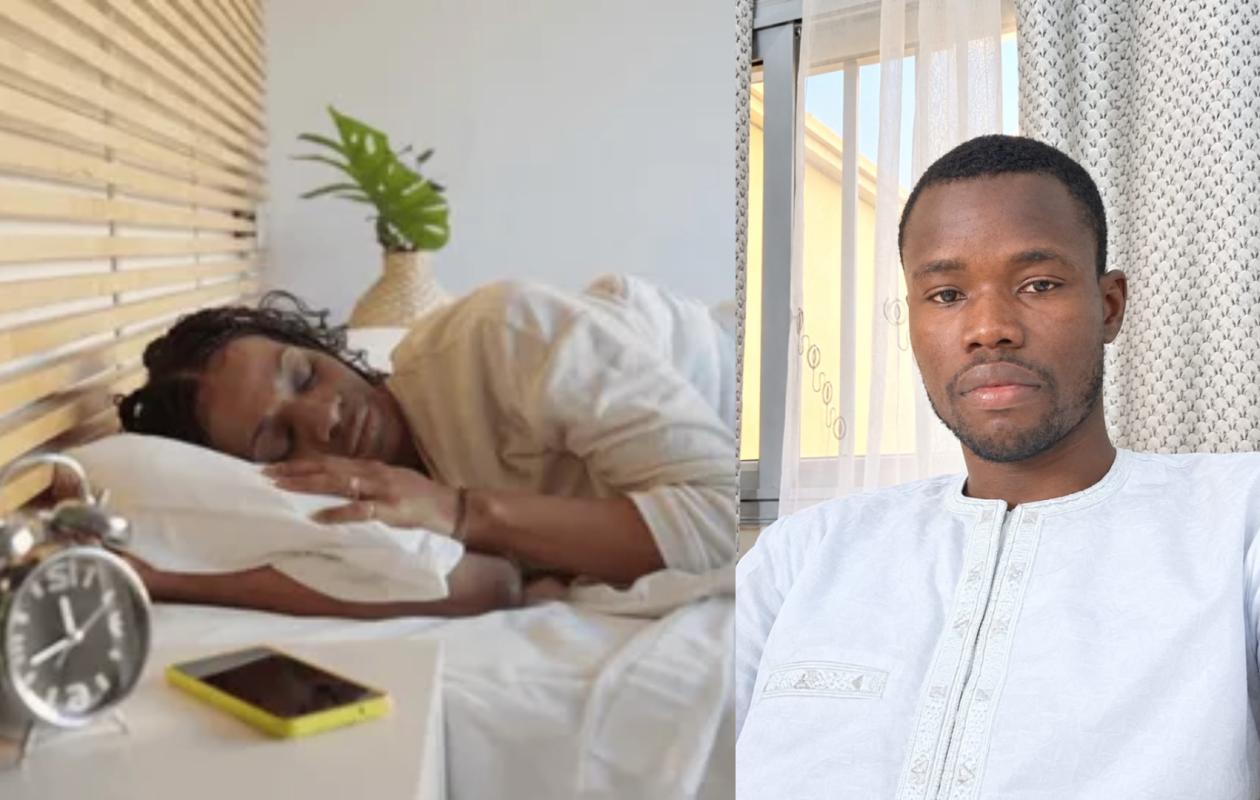
Bien-être : Les clés du nutritionniste Aliou Faye pour un sommeil parfait
Getting a good night's sleep also starts with what you eat. Heavy dinners, late meals, and evening coffee consumption... Our eating habits directly influence the quality of our sleep. In this interview with Seneweb, nutritionist Aliou Faye explains how to adapt your diet to promote restful nights without giving up traditional Senegalese dishes. He also discusses drinks to avoid, good habits to adopt, and signs that should prompt you to consult a doctor.
Journalist: What is the direct link between what we eat and the quality of our sleep? Can certain eating habits delay falling asleep or disrupt restorative sleep phases?
The nutritionist: Food influences sleep because the mechanisms of digestion interact with its regulation. Tryptophan, an essential amino acid, participates in the production of serotonin and melatonin. It is found in foods such as eggs, fish, dairy products, legumes, and peanuts.
Meals that are too fatty, salty, or spicy can cause digestive problems or reflux and delay sleep onset. Coffee, tea, and energy drinks consumed late at night can also disrupt sleep. No single food guarantees a good night's sleep: a balanced diet, physical activity, and lifestyle also play a role.
What should an ideal dinner contain to promote sleep? What key nutrients or foods should be prioritized in the evening?
Dinner should be sufficient, balanced, varied and healthy, without excess. It can contain protein such as black-eyed peas, fish, eggs, chicken or beans, accompanied by a reasonable portion of starchy foods: rice, fonio, cassava, sweet potato, millet or corn.
It's also important to prioritize locally available vegetables, such as carrots, moringa leaves, or eggplants. B vitamins, magnesium, and tryptophan contribute to the proper functioning of the body. In Senegal, a fish dish with a moderate amount of rice or couscous, or a millet-based dish with a source of protein, is suitable. The key is to avoid meals that are too fatty, sugary, salty, spicy, or difficult to digest.
What is the ideal time to eat dinner, and how much time should be allowed between the end of the meal and going to bed to optimize digestion?
There is no ideal time that works for everyone. Regularity is important, but it is recommended to eat dinner two to three hours before bedtime to aid digestion and reduce acid reflux. For someone who goes to bed at 11 p.m., dinner can be eaten between 8 p.m. and 9 p.m.
When professional or family obligations require a late meal, it is better to opt for a light and balanced dinner rather than skipping the meal.
What should you do if you feel hungry just before going to sleep? Is it better to have a light snack or to go to bed on an empty stomach?
If you are truly hungry, it is not necessary to go to bed on an empty stomach. A small snack may suffice: a plain yogurt, a piece of local fruit, a small handful of unsalted peanuts, or a glass of milk if it is well tolerated.
The goal is to satisfy hunger, not to provide a full meal. However, people with diabetes, pregnant women, or those undergoing specific nutritional treatment should adapt their snack to their individual needs.
Read also : "Food sovereignty: Why Senegal urgently needs to remove obstacles to the empowerment of rural women"
For people who get home or work late and cannot have dinner early, what simple habits do you recommend to limit the impact on their sleep?
It is best to eat a balanced meal before work, when possible, and to plan a snack or light meal to avoid returning home with excessive hunger.
It's important to limit fried foods, fatty sauces, and large portions late at night. Eating slowly, avoiding lying down immediately after dinner, and maintaining a regular bedtime are also good habits.
Which drinks disrupt sleep the most, and at what time is it best to stop consuming them?
Caffeine stimulates the nervous system and can cause difficulty falling asleep or insomnia. It is found in coffee, energy drinks, and some cola sodas. It is advisable to avoid these drinks in the six to eight hours before bedtime. For someone who goes to bed at 11 p.m., this means stopping between 3 p.m. and 5 p.m., or even earlier for sensitive individuals.
Alcohol is not a solution for better sleep. While it may make it easier to fall asleep, it disrupts sleep and reduces its quality. Water and caffeine-free herbal teas are generally preferable, although it's important to check the ingredients of any beverages marketed as herbal teas.
How to properly manage your hydration at the end of the day? Should you reduce your water intake before sleeping to avoid waking up during the night?
It is possible to gradually reduce large quantities of liquid in the evening, while continuing to drink according to your thirst. You should not intentionally dehydrate yourself.
In Senegal, with the heat and perspiration, it remains important to maintain adequate hydration throughout the day. Frequent urges to urinate at night should not automatically be attributed to excessive water consumption; if they persist, especially with other symptoms, medical advice may be necessary.
In Senegal, dinners are often late and sometimes involve very rich or heavy dishes. What impact do these habits have on sleep, and how can we reconcile culinary traditions with quality rest?
It's not necessary to abandon traditional dishes, but rather to adapt the portions and composition of meals. For thiéboudiène, a reasonable amount of rice, sufficient fish and vegetables, and moderate the oil can be used. For yassa, it's also possible to limit the oil and balance the meal with vegetables.
Millet, black-eyed peas, and fonio can easily be incorporated into a balanced diet. It's especially important to avoid combining a very heavy dinner with late-night caffeinated drinks. The goal is to preserve culinary traditions while improving portion sizes, meal timing, and overall meal balance.
What are the three simplest and most effective dietary changes to adopt starting tonight to sleep better?
First, move dinner earlier or make it lighter, trying to finish the meal two to three hours before bedtime and avoiding overly fatty foods when eating late.
Secondly, stop consuming caffeine six to eight hours before going to sleep.
Third, prioritize a balanced dinner and stay well-hydrated throughout the day, while avoiding drinking large amounts of water just before bedtime. These changes can improve nighttime comfort, although the effects vary from person to person.
At what point does a sleep disorder cease to be a simple problem of dietary hygiene and should it lead to consulting a healthcare professional?
Chronic insomnia is generally characterized by difficulty sleeping at least three nights a week for three months or more, despite conditions conducive to rest. However, it is not necessary to wait three months if the problems are significant or affect daily life.
A healthcare professional can investigate various causes, such as stress, anxiety, pain, the effects of certain medications, sleep apnea, or other medical conditions. Diet can help improve sleep, but it is not a substitute for medical care when needed.
Sleep is a key determinant of health, just like diet and physical activity. It's possible to improve your habits without giving up Senegalese food: the main thing is to adapt portion sizes, fat intake, meal times, and drinks to your needs.





















Commentaires (5)
Tu fais la fierté de Saboya.
Xam xam dou pékhé
Participer à la Discussion
Règles de la communauté
💡 Astuce : Utilisez des emojis depuis votre téléphone ou le module emoji ci-dessous. Cliquez sur GIF pour ajouter un GIF animé. Collez un lien X/Twitter, TikTok ou Instagram pour l'afficher automatiquement.
Se connecter
Commentez avec votre profil, votre photo, et soyez averti des réponses.