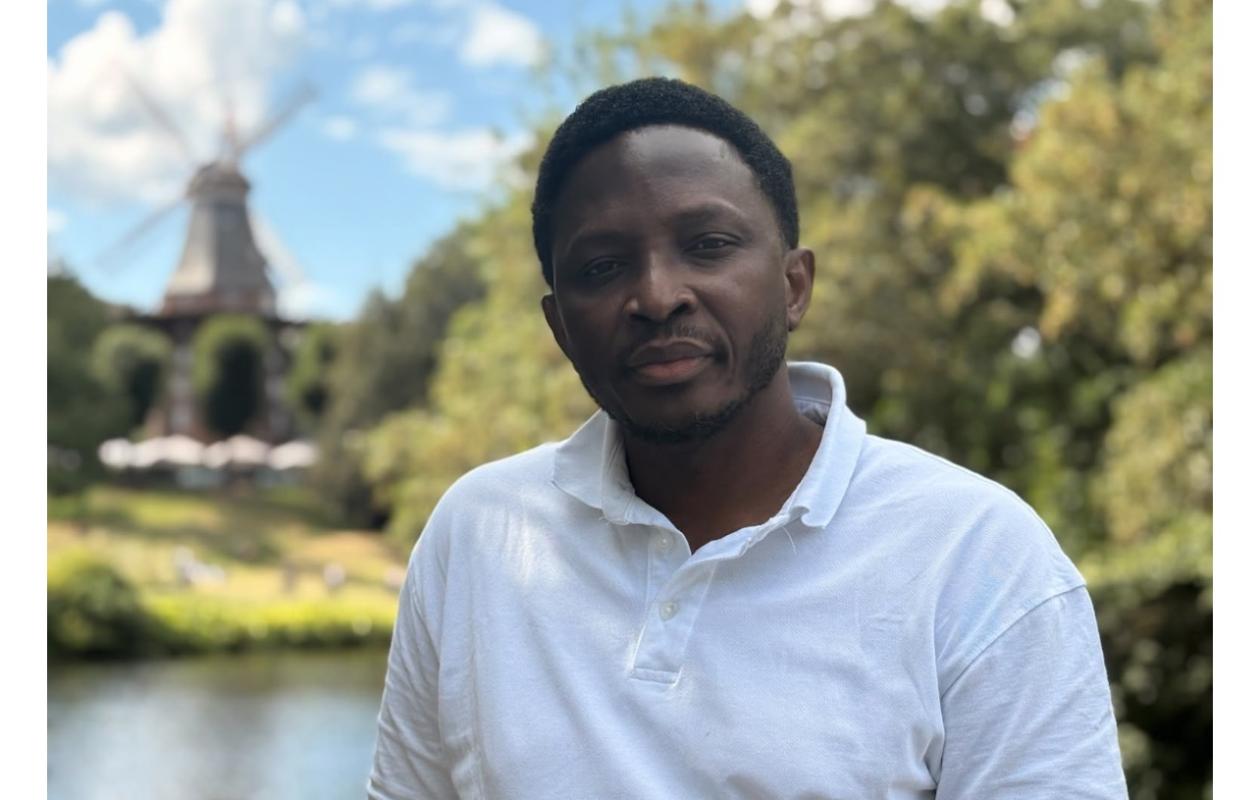
« Le développement ne peut se bâtir au détriment des droits citoyens » : Le cri d'alarme d'Idrissa Badji sur l'affaire des 600 hectares de Toubab-Dialaw
The revival of the 600-hectare Toubab-Dialaw development project has sparked reactions from the Senegalese diaspora. Amid legal uncertainty for landowners, administrative opacity, and broken presidential promises, Idrissa Badji, coordinator of the Yenne-Toubab-Dialaw Diaspora Collective, is demanding a halt to the proceedings and warning the state against a development that would sacrifice its own citizens.
Mr. Idrissa Badji, your group has just published a public formal notice addressed to the highest state authorities regarding the development project for the 600 hectares of Toubab-Dialaw. What is the exact scope of this action?
Idrissa Badji: Good morning. This statement is neither a plea nor a threat. It is a republican warning and an expression of profound indignation. We are facing a clear intention to resume operations on these 600 hectares, while the numerous questions raised by the local population, traditional authorities, and the diaspora remain unanswered.
In what ways do you find the consultation model proposed by APIX to be flawed?
Idrissa Badji: Behind this rhetoric about competitiveness and growth lies the reality of families who fear losing their homes, their land, their cemetery, their school, their businesses, and a lifetime of sacrifices. APIX claims to want a "rigorous and humane" approach. But a truly humane approach begins with listening to the people, answering their questions, and guaranteeing their rights, not by imposing the resumption of a process whose legitimacy is contested. For many residents of Yenne and Toubab-Dialaw, this is simply the continuation of a case inherited from the old regime. We demand the outright cancellation of this expropriation procedure.
On the political front, you point to a breach of the promise of governance under the current presidency. What specific commitments do you believe have not been honored?
Idrissa Badji: The election of President Bassirou Diomaye Faye embodied the promise of a state founded on transparency, justice, and a break with opaque practices. But today, that hope is fading. The people have followed all the proper procedures: official letters, meetings, citizen marches, memoranda. The President met with us, listened to us, and promised his support. Yet, we have received no official response to allay our concerns. This silence from the state is becoming incomprehensible and resembles a renunciation of the commitments made to the people.
How does this case crystallize the legal and economic vulnerabilities faced by the Senegalese Diaspora in its investments in the country?
Idrissa Badji: The State has always called on the Diaspora to invest in the country, and we have responded with patriotism and confidence. Thousands of Senegalese living in Europe, America, or elsewhere have sacrificed decades of their lives to build a house, open a business, or prepare their return to Toubab-Dialaw. Today, these investments are threatened in favor of projects for foreign groups. What message does this send to the Diaspora if the legal security of their assets can be called into question overnight?
What is your analysis on national land sovereignty?
Idrissa Badji: Why does Senegalese land seem so easily acquired by large foreign corporations, while in several countries, particularly in the Gulf, it is practically impossible for an ordinary Senegalese citizen to achieve full land ownership? Senegal's land is a national, economic, historical, and cultural heritage. It cannot be a mere variable to be adjusted according to opaque contracts.
Do you question the administrative regularity of the initial land allocations within this area?
Idrissa Badji: We demand that the truth be revealed. Are there mechanisms of influence, vested interests, or institutional dysfunctions that favor certain operations at the expense of the rights of local populations? Transparency is not a favor granted to citizens; it is a republican obligation. The Senegalese people have the right to know.
In the absence of a moratorium or a revision of the project, what legal and institutional levers do you intend to use?
Idrissa Badji: The Diaspora will no longer remain a spectator. We are launching a determined, democratic, and civic struggle alongside the people of Yenne and Toubab-Dialaw. This struggle will be legal, institutional, media-driven, civic, and international. We will appeal to the competent courts, oversight bodies, the public and political debate, and international partners committed to respecting the rights of communities. As the protector of its citizens, the State must understand that no project, however strategic, can sustainably succeed against its own population.
In conclusion, what urgent precautionary measures do you recommend to restore trust between local communities and the executive branch?
Idrissa Badji: We call on the President of the Republic to immediately suspend all proceedings concerning these 600 hectares, and on APIX to prioritize transparency over haste. Development is only meaningful when it respects citizens, and the Republic is only strong when it protects the most vulnerable. History will remember the choices made today, and the people of Yenne and Toubab-Dialaw will not forget.



















Commentaires (1)
Euskey !
Participer à la Discussion
Règles de la communauté
💡 Astuce : Utilisez des emojis depuis votre téléphone ou le module emoji ci-dessous. Cliquez sur GIF pour ajouter un GIF animé. Collez un lien X/Twitter, TikTok ou Instagram pour l'afficher automatiquement.
Se connecter
Commentez avec votre profil, votre photo, et soyez averti des réponses.